
Qinghai Public Mobile Toilets
Public mobile toilets in Qinghai mainly include three types: finished mobile public restrooms, toilets provided by mobile toilet rental services, and mobile smart public restrooms.
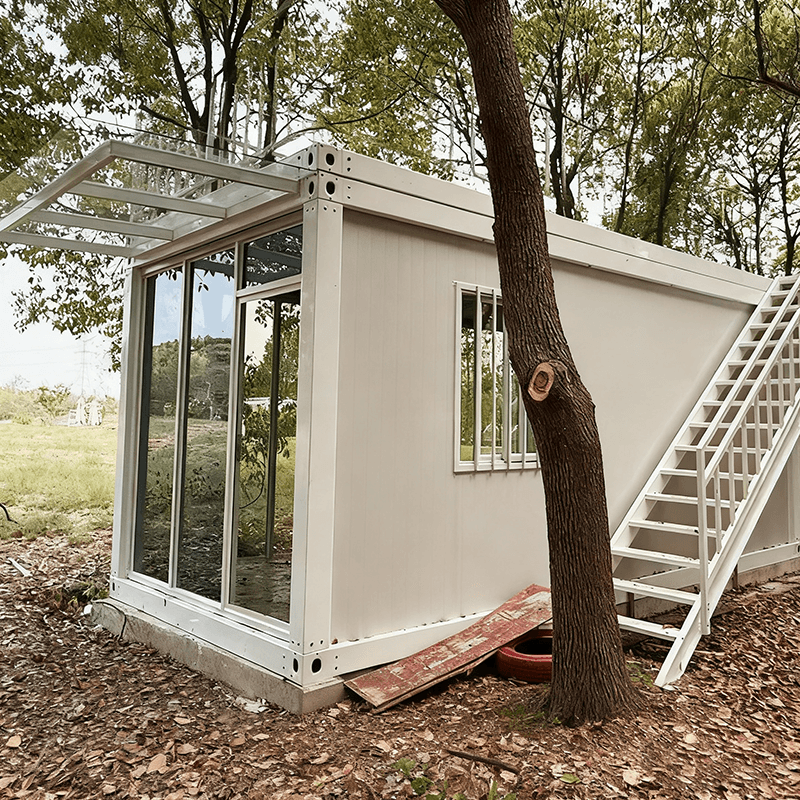
Finished mobile public restrooms: These mobile toilets are produced through factory prefabrication as a whole. The men's and women's restrooms are set up separately, and there are specially designed barrier-free compartments for the disabled, fully considering the usage needs of different groups of people. Their biggest advantage lies in easy installation. They can be put into use simply by connecting to water and electricity after being placed on site. This characteristic makes them highly suitable for places such as scenic spots and temporary construction projects at construction sites. In scenic spots, they can quickly meet the toilet needs of tourists without causing significant damage to the scenic environment. In temporary construction projects at construction sites, they can be flexibly moved and arranged according to the progress of the project, providing convenient toilet conditions for workers.
Toilets provided by mobile toilet rental services: This service offers a wide variety of mobile toilet types, including epidemic prevention center mobile toilets, portable mobile toilets, and outdoor mobile toilets. These mobile toilets are highly flexible and can be rented according to the needs of different scenarios. For example, at large-scale event sites such as marathons, concerts, and music festivals, where there is a large and mobile crowd, renting mobile toilets can quickly increase the number of toilet facilities and effectively relieve toilet pressure. At construction sites, as the project progresses, the positions and quantities of mobile toilets can be flexibly adjusted according to the needs of different construction stages and areas.
Mobile smart public restrooms: They have emerged in the context of the upgrading of public service facilities, integrating systems such as data collection, environmental regulation, and user services. Through a sensor network, they can collect multiple physical data in the space in real-time, such as gas concentration, temperature and humidity, and pedestrian flow counts, and transmit these data to the processing unit. The environmental regulation system starts preset programs based on real-time data. For example, the ventilation equipment will automatically adjust its operating power according to the concentration of odor gases, and the lighting system will adjust its brightness according to changes in pedestrian flow to achieve a balance between energy conservation and comfort. In terms of water resource management, the smart system can monitor water consumption and reduce water waste through flow control and sensing technology. In addition, the external guidance screen displays the occupancy status of toilet stalls and internal environmental indicators. The interior also provides convenient services such as emergency assistance calls and access to basic items, and its response mechanism is connected to the central management platform, facilitating managers to grasp the operation of the public restrooms in a timely manner and carry out maintenance.



