
Emergency Response of Mobile Toilets in Qinghai
The emergency response of mobile toilets in Qinghai is achieved through intelligent management and functional system configuration, combined with optimized construction plans, ensuring reliability and operational efficiency in the complex plateau environment.
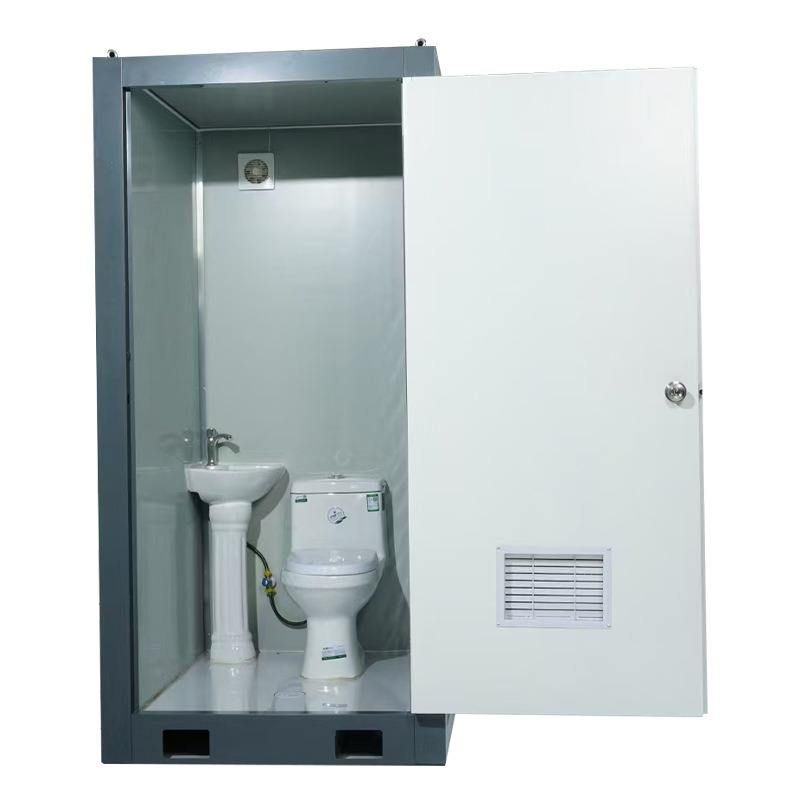
Intelligent Management for Real-Time Monitoring and Dynamic Adjustment
Smart public toilets rely on sensor networks to continuously collect physical data such as odor gas concentration, temperature and humidity, and foot traffic within the space, and transmit this data in real-time to processing units via wireless technology. The system automatically triggers response programs based on preset thresholds: when odor gas concentration exceeds standards, ventilation equipment increases operating power to accelerate air exchange; when foot traffic decreases, lighting systems automatically dim to reduce energy consumption. This dynamic adjustment mechanism not only enhances user comfort but also enables rapid operational mode changes in emergencies (such as equipment failures or environmental changes), preventing issues from escalating.
Functional System Configuration Enhances Plateau Environment Adaptability
The functional systems of mobile toilets are specifically designed to address the unique conditions of high-altitude areas, such as low temperatures and oxygen deficiency.
- Toilet System: Utilizes vacuum suction toilets paired with plateau-specific anti-freezing flushing devices. Pipes are made of 304 stainless steel and wrapped with insulation layers to ensure normal flushing in temperatures below -30°C, preventing functional failures due to pipe freezing.
- Heating System: Combines wall-mounted diesel heaters with underfloor heating coils to maintain indoor temperatures between 10-15°C, preventing equipment malfunctions or user frostbite due to low temperatures.
- Ventilation System: The top turbine ventilator works in tandem with forced exhaust systems to ensure efficient air circulation while preventing odor buildup. In ecological protection zones, diffuse oxygen supply devices are added to alleviate oxygen deficiency at high altitudes, reducing health risks for users caused by hypoxia.
Optimized Construction Plans Improve Emergency Stability
During the construction phase, the project enhances emergency capabilities through geological surveys and material pre-treatment. Geological radar scanning technology is used to detect the thickness of permafrost layers and groundwater levels, guiding the design of foundation depths to prevent toilet tilting or settlement due to permafrost thawing or groundwater level changes. Electrical components are selected to meet plateau-specific insulation requirements, ensuring safe operation under extreme conditions such as intense ultraviolet radiation and low air pressure, reducing safety hazards caused by electrical failures. These measures reduce the likelihood of emergency incidents from the source and improve overall system reliability.



