Qinghai Local Mobile Toilets
Mobile toilets in Qinghai's local scenic spots focus on mobility and modular design, addressing sanitation needs in fragile ecological areas by adapting to harsh natural conditions such as high altitudes, water scarcity, and frequent sandstorms, while also considering environmental protection and visitor experience.

1. Structure and Materials: Combining Lightweight and High Strength
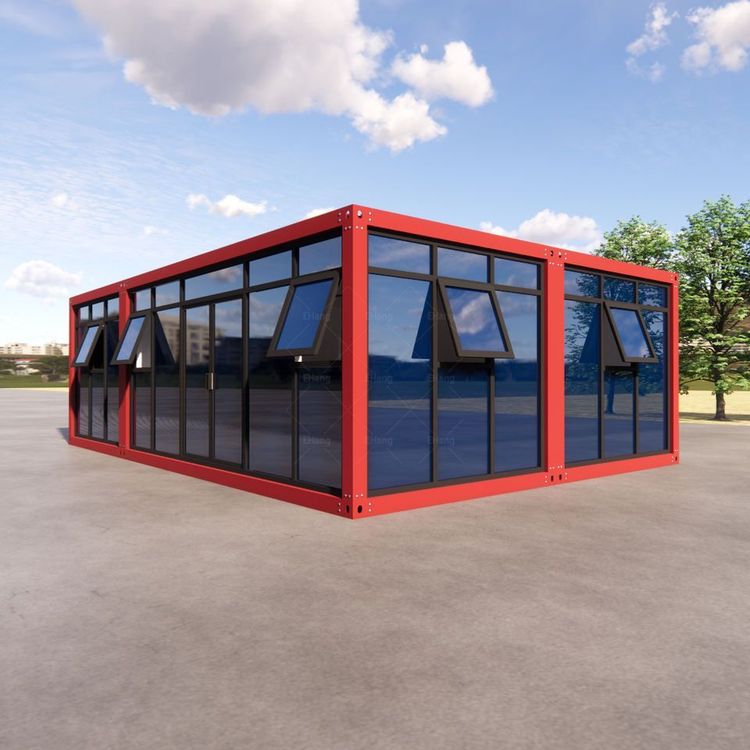
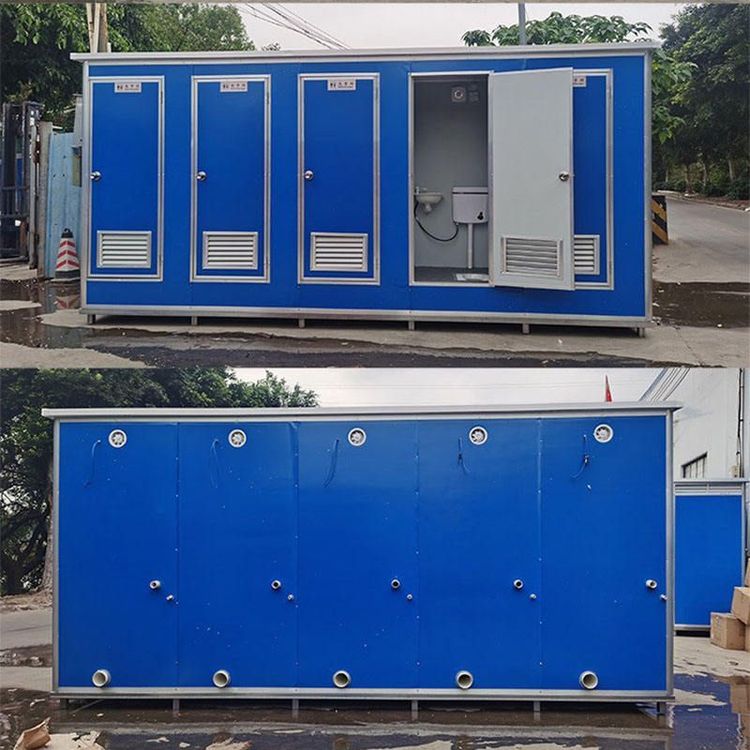
The frames of mobile toilets in Qinghai's scenic spots are mostly made of lightweight metals (such as aluminum alloys) or high-strength composite materials, ensuring structural stability while facilitating easy transportation and rapid deployment. The modular design allows for on-demand combination of functional units (such as men's and women's restrooms, management rooms) to accommodate different visitor traffic scenarios. For example, additional toilet units can be temporarily added for marathon events, capacity can be expanded during peak tourist seasons, and space can be reduced during off-peak seasons.
2. Internal Facilities: Water Conservation, Anti-Freezing, and Resource Recycling
For high-altitude and low-temperature environments, mobile toilets are equipped with pressure flushing systems or vacuum technology, reducing water consumption through high pressure or negative pressure while preventing pipe freezing. Some models use electric tracing devices to ensure unobstructed water flow in winter. In water-scarce areas, biodegradation treatment units are crucial: microorganisms decompose feces and urine into harmless fertilizers, achieving 'zero-discharge' recycling and reducing pollution risks to natural water bodies.
3. Functional Layout: Dynamically Adapting to Visitor Behavior
Deployment locations are dynamically adjusted based on visitor activity routes and停留 (lingering) hotspots. For example, additional toilet units are added near scenic spot entrances, viewpoints, and dining areas, while mobile toilets are placed every 1-2 kilometers along hiking trails, balancing convenience and ecological protection. The toilet ratio is typically set at 1:1.5 for men to women, with temporary partitions used for quick expansion during peak periods. Ventilation systems incorporate sand and dust filtration devices to prevent sand intrusion from clogging pipes or affecting hygiene.
4. Maintenance Management: Emphasizing Anti-Freezing, Power, and Cleanliness
Regular inspections focus on pipe anti-freezing (such as the integrity of insulation layers), power supply (solar panel or backup battery status), and waste collection container capacity. The cleaning process includes internal disinfection, odor treatment (such as with plant essential oil deodorizers), and external structural dusting to prevent sand and dust from corroding materials. For biodegradation toilets, microbial strains need to be regularly replenished, and decomposition efficiency monitored to ensure stable operation of the treatment system.
5. Ecological Protection: Principle of Minimizing Disturbance
Mobile toilet sites are selected to avoid densely vegetated areas and water sources, reducing damage to surface ecology. Waste treatment prioritizes compostable materials or enclosed transportation to centralized treatment points, preventing leachate from contaminating soil. Some scenic spots adopt a 'mobile toilet + ecological restoration' model, where native plants are replanted in areas after toilet removal to restore vegetation, achieving harmonious coexistence between facilities and nature.