
Qinghai Container Houses
Qinghai container houses are characterized by environmental protection, efficiency, and flexibility, widely used in residential, office, and temporary construction fields as an innovative practice in sustainable architecture.
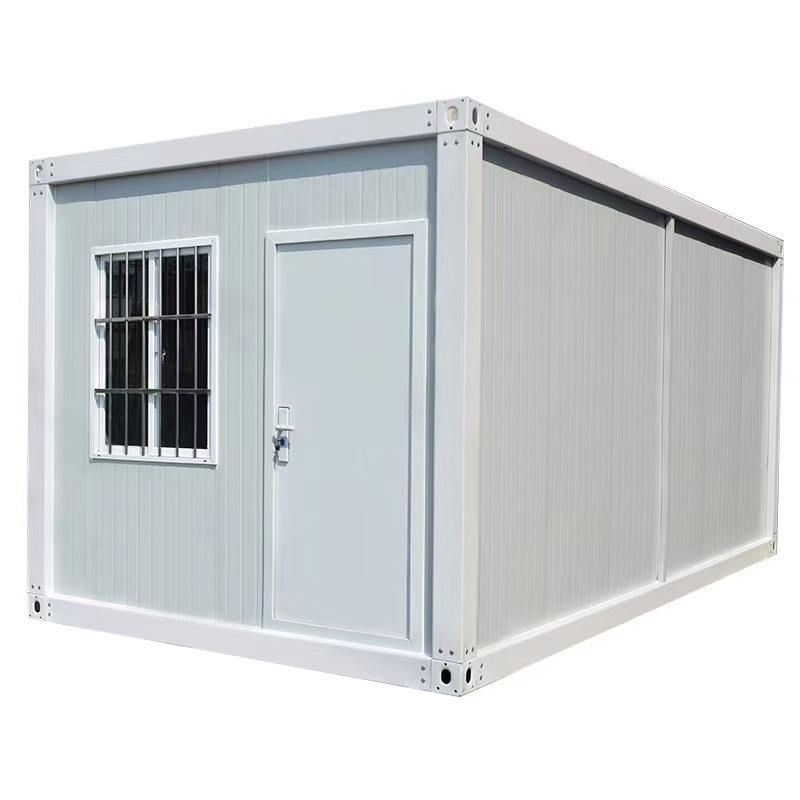
Manufacturers and Product Types
There are numerous manufacturers of container houses in Qinghai Province, offering a diverse range of materials and functions. Qinghai Zhanwei Container House Co., Ltd., located in Chengdong District, Xining, mainly deals in traditional container houses, primarily using the Zhanwei brand. Jinhaopeng Container House Factory in Chengxi District, Xining, adopts stainless steel materials, introducing foldable and packable residential container houses that are easy to transport and install, suitable for various scenarios such as field offices, dormitories, and warehouses. Additionally, brands like Yijia, Hongyi, and Keyang within the province provide houses made of sandwich panels, color-coated steel, and metals, with styles including simple movable houses, mobile units, and assembled units, meeting different needs such as temporary accommodation and kitchens.
Core Advantages
- Sustainability: By repurposing discarded containers, it reduces material consumption and energy waste, minimizing environmental impact.
- Rapid Construction: Modular design simplifies the construction process, shortening the project duration and improving efficiency.
- Flexibility: The detachable and relocatable nature adapts to frequently changing residential or office needs, supporting personalized combinations.
- Cost Savings: The material cost is lower than that of traditional houses, making it economical and suitable for users with limited budgets.
Design, Construction, and Environmental Protection Technologies
The design emphasizes structural stability, safety, and comfort, enhancing the living experience through reasonable spatial layout and lighting and ventilation systems. Interior decoration uses environmentally friendly materials (such as low-VOC paints) to reduce harmful substance emissions. In terms of energy efficiency, insulation materials, efficient energy utilization technologies, and solar power generation systems are applied to reduce energy consumption. For example, some houses integrate solar photovoltaic panels and rainwater collection systems, achieving energy self-sufficiency and resource recycling.
Application Fields and Future Trends
Container houses are not only used for residences but also extended to office spaces, temporary medical facilities, educational institutions, and commercial shops. With technological advancements, the integration of new materials (such as lightweight high-strength alloys) and smart technologies (such as remote monitoring systems) will drive innovation. In the future, systematic management (such as intelligent energy monitoring) and large-scale applications will further enhance usage efficiency and sustainability, becoming an important direction for green architecture.



