Qiaoshan Container House
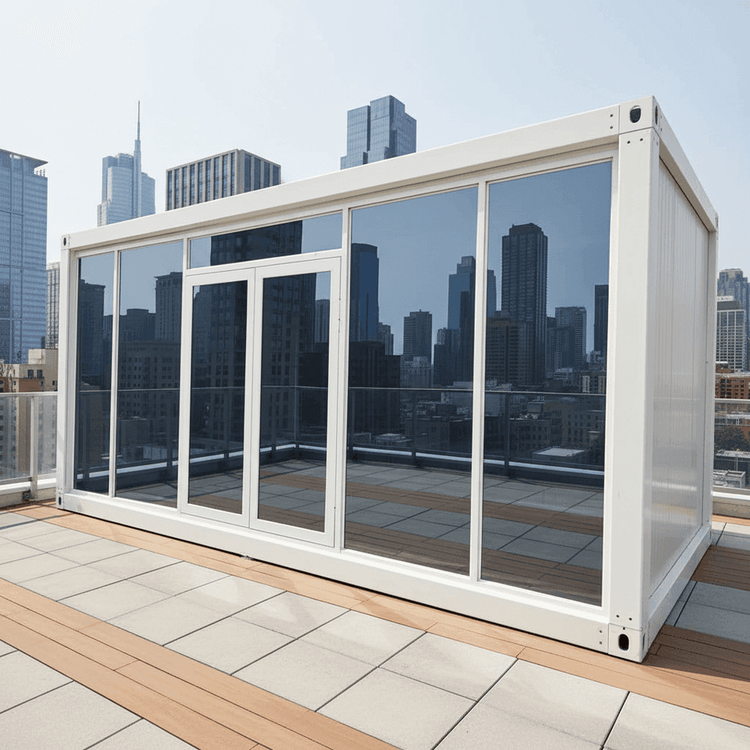
The Qiaoshan container house is a type of container house, a new architectural form with advantages such as easy construction, low cost, and a comfortable interior environment, and has a wide range of application scenarios.

Definition and Production Process
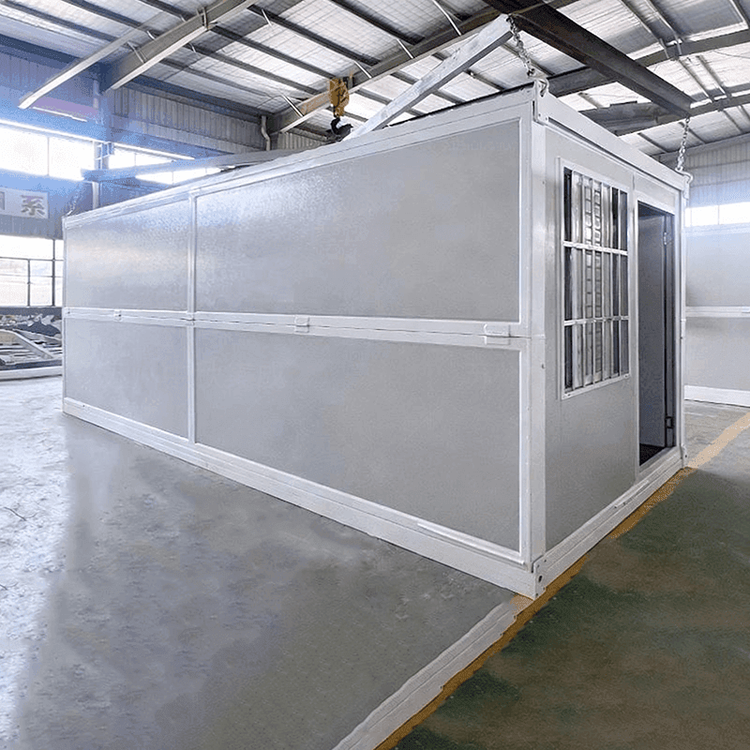
Container houses, also known as container mobile homes, container residences, and box-type houses, have a relatively short development history and have only widely entered the public eye in the past decade or so. There are usually two production and processing techniques: one is directly transforming shipping containers; the other involves structural design in a production factory, creating the top and bottom according to the dimensions of a container, connecting them with high-quality load-bearing columns to form a frame, and then assembling the walls with color-steel sandwich panels. In the early days when construction techniques were crude, the first method was more common. However, it was difficult to meet national building codes, and such structures were temporary, with a short lifespan and functions limited to on-site accommodation, offices, or exhibition halls. Nowadays, the second method is the most common.
Development and Application Advantages
Over time, the construction technology of container houses has gradually matured. They are easy to construct; compared to traditional buildings, they do not require complex construction processes or long construction periods and can be quickly put into use. They are also cost-effective, reducing construction costs and being highly attractive for projects with limited budgets. The interior environment is also becoming increasingly comfortable, and through reasonable design and decoration, they can meet various needs such as living and office space.
Application Scenarios
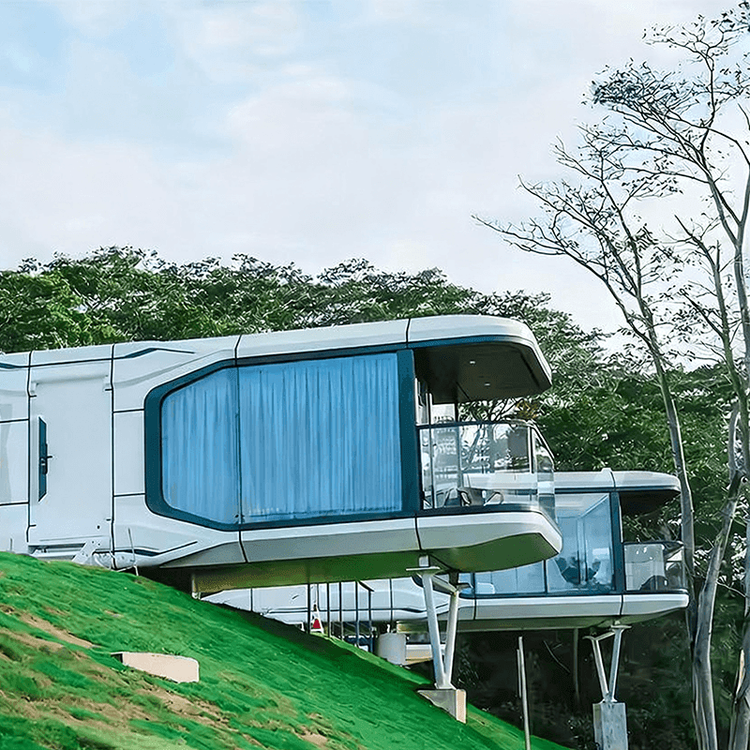
Based on the above advantages, the market demand and application scenarios for container houses continue to rise. In addition to traditional uses such as on-site accommodation, offices, and exhibition halls, they can also be used in large-scale domestic and international projects, providing temporary or long-term living and office spaces for engineering personnel. They can also serve as commercial venues, such as cafes and bookstores, creating unique spatial experiences. Furthermore, they can be used in the tourism and vacation sector as characteristic homestays, offering tourists novel accommodation options.