
Qianjiang Single-Person Mobile Toilet
The price of single-person mobile toilets in Qianjiang varies depending on the type and configuration, with common types ranging from 700 yuan to 3,700 yuan. The specific price needs to be determined based on functional modules and scenario requirements.
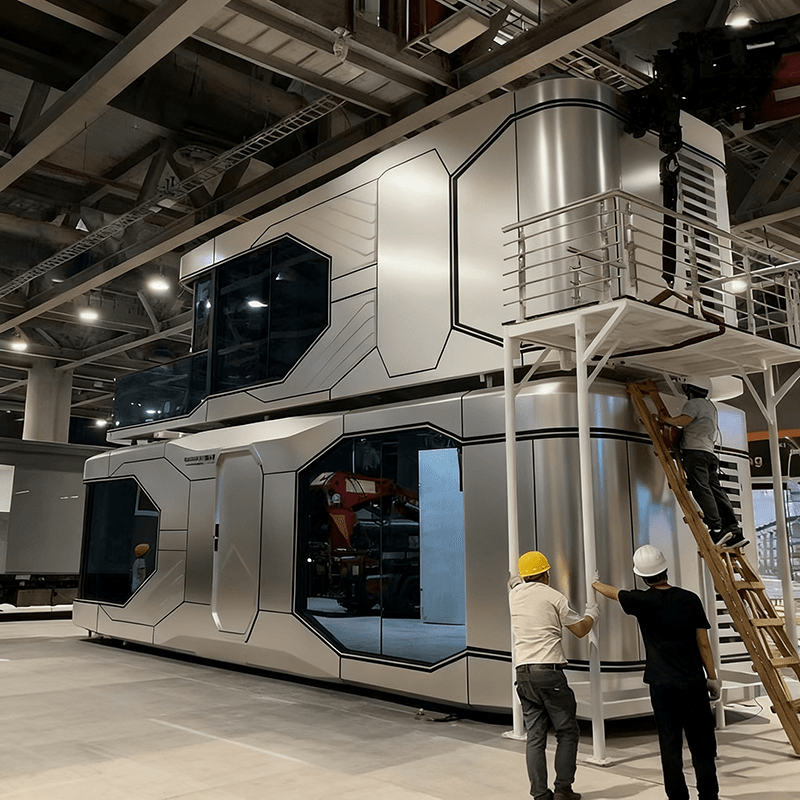
Common Types and Basic Prices
The price of single-person mobile toilets in the Qianjiang area is significantly influenced by materials, structure, and functional design. For example, packaged mobile toilets, which use simple waste-packaging technology without complex treatment systems, cost approximately 2,700 yuan; construction-site mobile toilets, which are practical and have a simple main structure, are relatively inexpensive, costing about 700 yuan; container-type mobile toilets, which incorporate modular design and have high space utilization, cost about 3,000 yuan; fiberglass-material mobile toilets, known for their corrosion resistance and ease of cleaning, are more expensive, costing about 3,700 yuan.
Impact of Functional Modules on Price
The core functional modules of mobile toilets directly affect costs. The waste treatment system is a key factor: basic models are equipped only with collection containers and have lower costs, while systems equipped with microbial degradation, vacuum extraction, and other technologies involve equipment procurement and maintenance, leading to significantly higher prices. In terms of main structural materials, the durability and costs of metal frames, fiberglass, stainless steel, and other materials vary greatly. For example, fiberglass, being lightweight and aging-resistant, usually costs more than ordinary metal structures. Auxiliary functional systems such as lighting, ventilation, and deodorization devices, although not essential, enhance user experience. Each additional function may increase the total price by 5%-15%.
Scenario Adaptability Requirements
Different usage scenarios have varying configuration requirements for mobile toilets, which in turn affect prices. Tourist attractions need to balance aesthetics and practicality, possibly choosing products with customized appearances and equipped with intelligent management systems, which are usually more expensive than basic models; outdoor event scenarios prioritize portability and rapid deployment, with lightweight or detachable structures being more popular, and prices being lower due to simplified materials; municipal public areas need to meet high-frequency usage demands, possibly choosing materials with strong durability and low maintenance costs, such as stainless steel or high-strength plastics, with prices being in the middle range.
For accurate quotes, it is recommended to contact local suppliers and provide specific usage scenarios, functional requirements, and budget ranges to obtain customized solutions.



