
Qianjiang Energy-Saving Portable Toilet
The Qianjiang energy-saving portable toilet employs various technologies to achieve energy conservation and environmental protection. Its core functional modules, main structure, auxiliary functional systems, and industry development trends all reflect energy-saving characteristics, with prices varying based on different configurations.
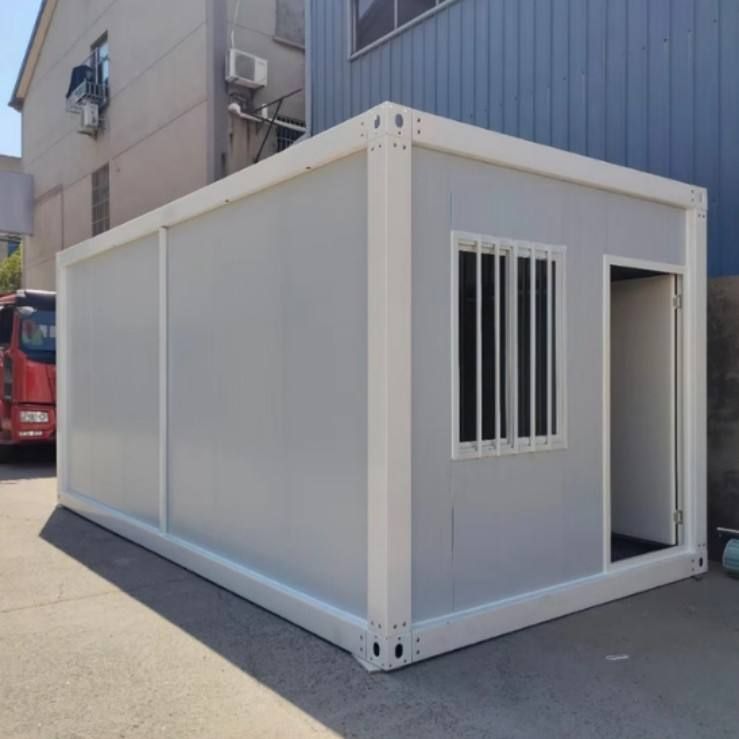
I. Energy-saving technologies in core functional modules The excreta treatment system is key to energy conservation, encompassing three approaches: water flushing, microbial degradation, and packaging. Among them, microbial degradation accelerates the decomposition of excreta through specially formulated bacteria and an electric heating insulation system, with the maintenance of bacterial activity and energy consumption control being central. Although this technology has a relatively high initial purchase cost, it reduces water consumption and waste treatment volume over long-term operation, offering both energy-saving and environmental protection advantages. Water flushing relies on water resources, while packaging reduces treatment processes through physical sealing, but its energy-saving effect is weaker than that of microbial degradation.
II. Energy-saving design in the main structure and material processes The main structure utilizes fiberglass, metal carved panels, color-coated steel sheets, and new composite materials. Fiberglass, formed in one piece, is corrosion-resistant and highly insulating, reducing heating energy consumption in winter; metal carved panels are strong and aesthetically pleasing, suitable for scenarios requiring high durability; color-coated steel sheets are cost-effective but have weaker insulation properties. The structural design emphasizes thermal insulation to cope with Qianjiang's seasonal climate, reducing the frequency of air conditioning or heating equipment use and indirectly lowering energy consumption.
III. Energy-saving optimization in auxiliary functional systems The lighting system has been upgraded from basic LED to solar-powered lighting, which achieves zero-energy operation through light energy conversion, representing a typical energy-saving design. Some high-end models integrate intelligent management modules such as air quality monitoring and usage status indicators, optimizing energy utilization efficiency through real-time monitoring and dynamic adjustment, such as automatically turning off lighting or ventilation in idle areas.
IV. Industry development trends and environmental protection technologies The modern portable toilet industry is developing towards "intelligence, ecology, landscaping, and modularization," with environmental protection treatment technologies covering microbial degradation, packaging and sealing, vacuum collection, biochemical reactions, and membrane treatment, among others. The core goals are water conservation, zero-pollution discharge, or resource utilization. For example, waterless flushing technologies treat excreta through physical or chemical means, while low-temperature-tolerant technologies ensure stable equipment operation in cold environments, reducing energy consumption.
V. Price differences and scenario adaptability Prices of portable toilets in Qianjiang vary based on functional modules, material processes, and auxiliary systems. For example, a packaged portable toilet in Bishan costs 2,700 yuan per unit, a container-type portable toilet costs 3,000 yuan each, and a construction site portable toilet costs 700 yuan per unit. Price differences reflect technological complexity and material costs, allowing users to choose appropriate models based on usage scenarios (such as scenic spots, construction sites, or temporary events) to balance energy-saving needs with budget constraints.



