
Qianjiang Craft Mobile Toilet
The Qianjiang craft mobile toilet is a modern sanitation facility that combines advanced materials, craftsmanship, and design concepts, offering both functionality and environmental protection. Its characteristics can be analyzed from the following aspects:
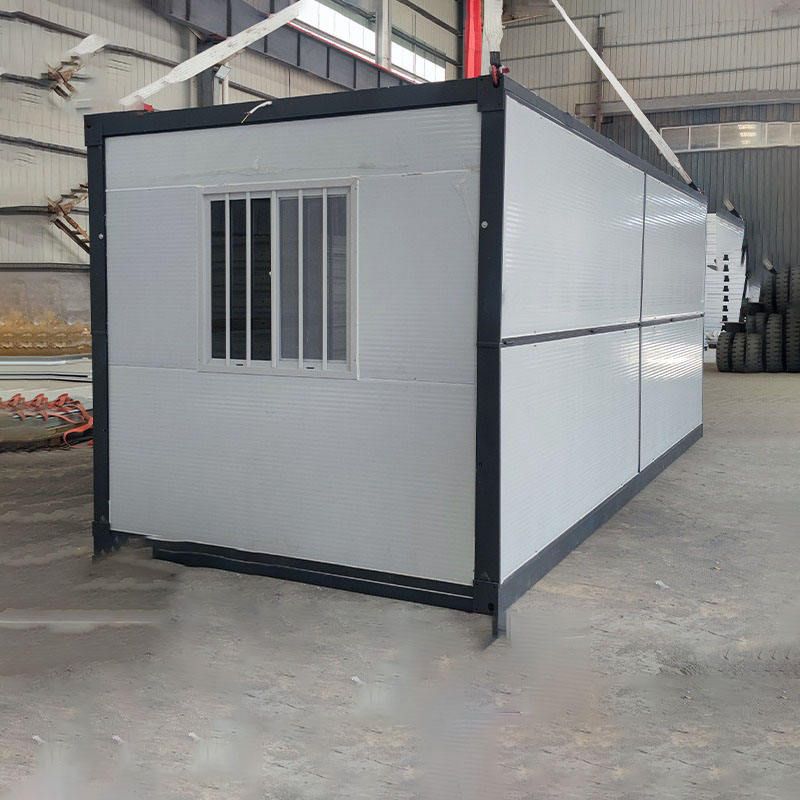
I. Main Structure and Material Craftsmanship
The main frame of the Qianjiang craft mobile toilet is mostly made of high-strength fiberglass or metal sheets (such as galvanized steel sheets and aluminum alloys). Special anti-corrosion and anti-rust treatments ensure structural stability even when exposed to wind, rain, and sunlight outdoors for extended periods, significantly extending its service life. The interior partitions and sanitary facilities (such as toilets and sinks) are made of engineering plastics or stainless steel, which are easy to clean and maintain, prevent rusting, and maintain visual cleanliness. This combination of materials balances durability and practicality, making it particularly suitable for high-frequency usage scenarios.
II. Manufacturing Process and Performance Optimization
Through mold-based production technology, the dimensional accuracy of the toilet box is greatly improved, enhancing overall structural stability and reducing the risk of leaks or deformations caused by assembly errors. The introduction of insulation sandwich technology enables the toilet to maintain a comfortable internal temperature under extreme climatic conditions: in cold regions, it reduces heat loss, while in hot regions, it lowers the internal temperature through thermal insulation layers, improving user comfort. Additionally, the modular design facilitates quick assembly, disassembly, and transportation, making it adaptable to scenarios such as temporary events and post-disaster reconstruction.
III. Upgraded Sewage Treatment System
Traditional mobile toilets often rely on chemical degradation or water flushing modes, whereas the Qianjiang craft employs a comprehensive treatment technology combining physical sedimentation, biological fermentation, and advanced oxidation, with some models integrating membrane separation and ultraviolet disinfection units. This system deeply purifies excreta, enabling the reuse of treated water (such as for toilet flushing or green irrigation), significantly reducing clean water consumption and reliance on external sewage networks. For example, the biological fermentation process decomposes organic matter through microorganisms, reducing odor generation; membrane separation technology further filters impurities, ensuring the quality of the reused water meets standards.
IV. Human-Centered and Environmentally Friendly Design
- Barrier-Free Design: Independent units are designed for special groups (such as the disabled, elderly, and pregnant women), with widened interior spaces to accommodate wheelchair rotation, equipped with safety handrails, low-positioned sinks, emergency call buttons, and non-slip floors to reduce usage risks.
- Child-Friendly Design: By lowering facility heights, adding cartoon elements, and incorporating safety locks, children are encouraged to use the facilities independently and prevent misuse. For example, child-specific toilets and sinks reduce the need for parental assistance, fostering independent hygiene habits.
- Energy-Saving Technology: Solar power systems provide electricity for ventilation and lighting, LED fixtures reduce energy consumption, and intelligent control systems automatically adjust equipment operation based on usage frequency, further minimizing energy waste. Such designs are particularly suitable for remote areas or outdoor activities, reducing operational costs and supporting sustainable development.
In summary, the Qianjiang craft mobile toilet achieves a balance between functionality, environmental protection, and user experience through material innovation, process upgrades, and human-centered design, making it a typical representative of modern public sanitation facilities.



