Qiandongnan Mobile Toilet Price
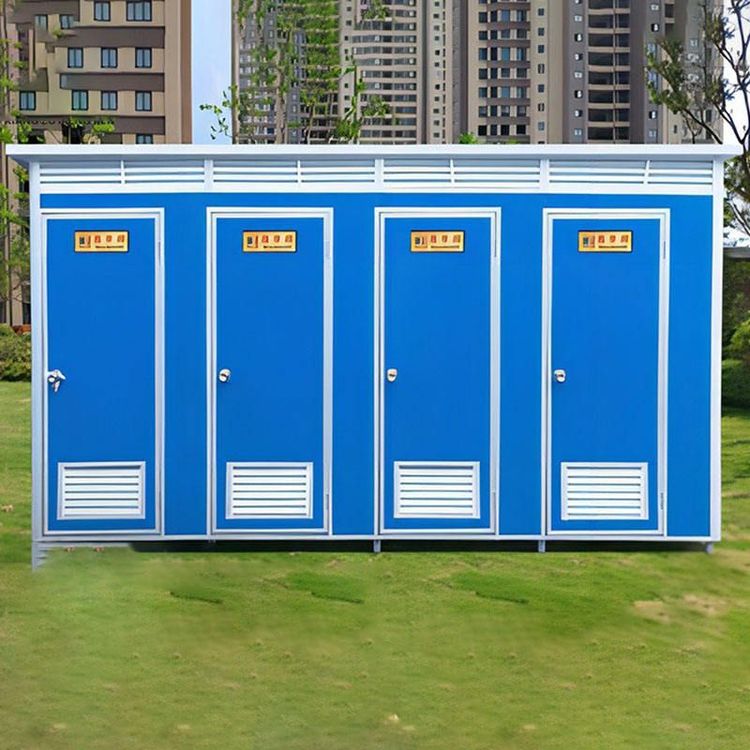
The price of mobile toilets in Qiandongnan varies due to multiple factors, and a unified price cannot be directly provided. Information shows that the price of outdoor finished mobile public toilets in Qiandongnan City, Guizhou Province, is 1,200 yuan per unit, but this price may not fully consider all influencing factors.

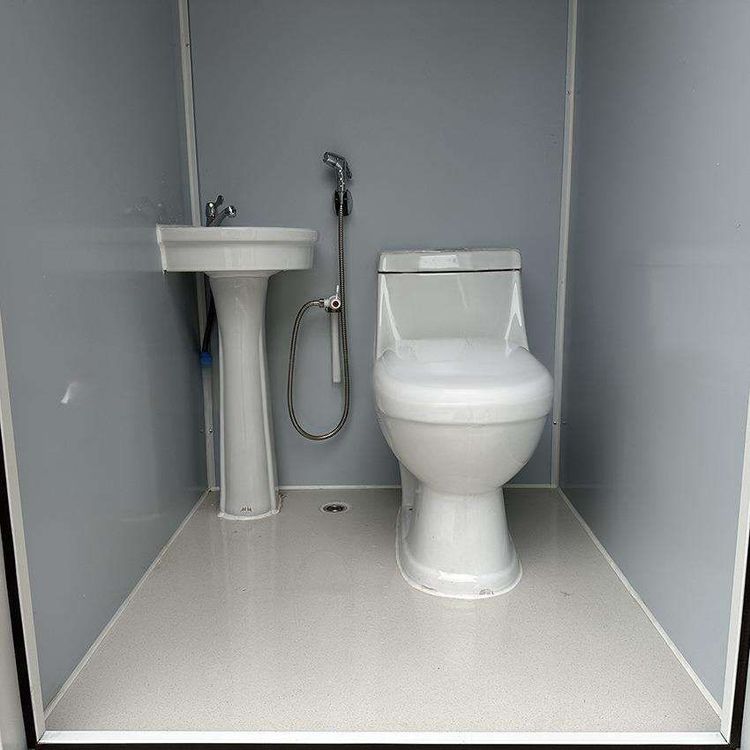
Basic manufacturing costs: The basic manufacturing costs of mobile toilets cover multiple modules. The box material is an important component, and the cost varies significantly depending on the material. For example, there are notable price differences between ordinary steel plates and corrosion-resistant, impact-resistant composite materials or thickened steel plates. The quality and brand of internal sanitary ware also affect costs, with high-quality sanitary ware being relatively more expensive. The design of the sewage system, such as the type of sewage pipes and treatment methods used, as well as the configuration of ventilation and lighting systems, all increase manufacturing costs.
Additional mobility costs: To ensure transportation safety, structural reinforcement of mobile toilets is required, which increases material and labor costs. Designing specialized stress points to accommodate frequent lifting also incurs additional design and manufacturing expenses. A chassis structure that facilitates trailer connection similarly adds to costs.
Geographical impact: Qiandongnan Miao and Dong Autonomous Prefecture has a complex terrain with widespread mountainous and hilly areas, making transportation inconvenient. The average driving speed of transport vehicles decreases, fuel consumption increases, and time costs rise significantly. Large or structurally complex mobile toilet units may require special transport vehicles or even segmented transportation. When deployed in areas far from main roads, the last few kilometers may involve transfer by small vehicles or manual handling, all of which substantially increase freight costs.
Deployment environment adaptability: In areas lacking municipal sewage networks, mobile toilets must rely on built-in sewage storage tanks or biochemical treatment systems. The larger the capacity of the sewage storage tank, the higher the purchase price and transportation weight; biochemical treatment systems also have high technical complexity and manufacturing costs. In remote locations with unstable power supplies, the addition of solar power systems or more efficient battery packs may be necessary, which also increases costs.
Usage intensity and material durability: High-usage scenarios require the use of more corrosion-resistant and impact-resistant materials for the toilet body, such as composite materials or thickened steel plates, which increase both material and manufacturing costs.