
Container Houses in Qiandongnan Prefecture
Container houses in Qiandongnan Prefecture represent an innovative architectural form that combines modern construction techniques with local characteristics, adapting to complex terrains and tourism demands.
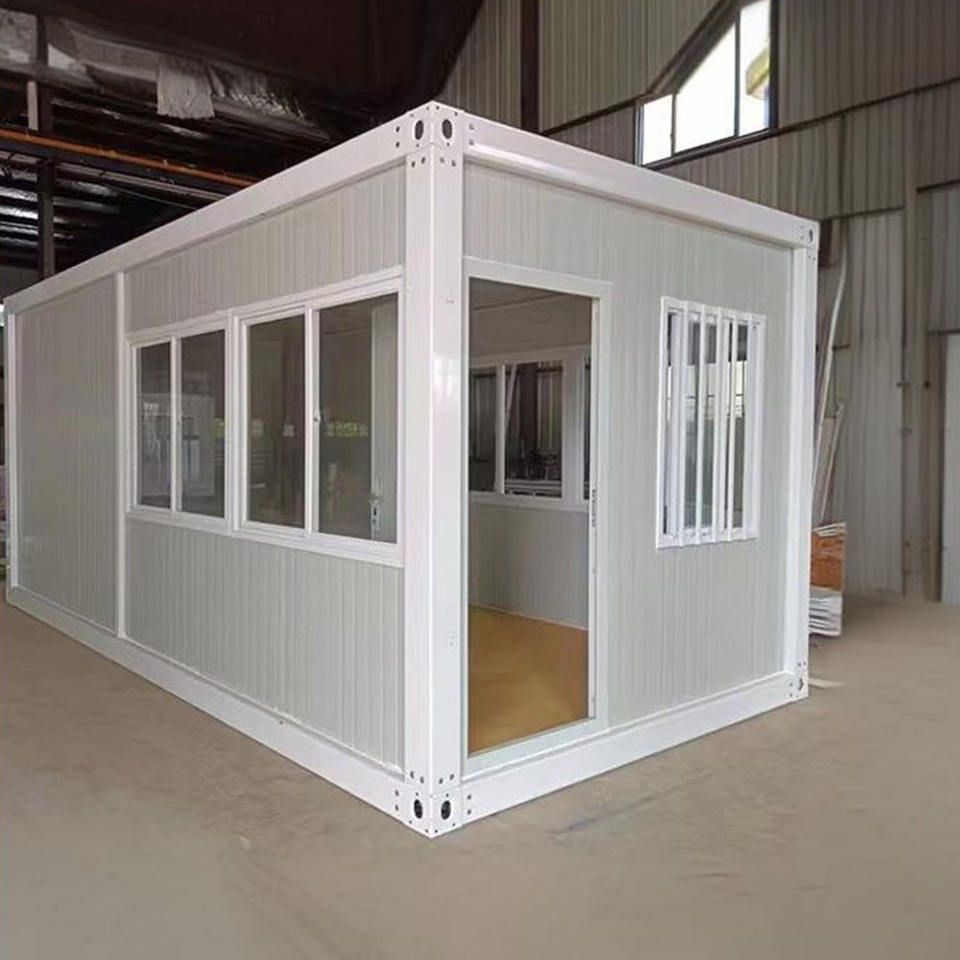
I. Basic Characteristics and Advantages Originally used for cargo transportation, container houses have been transformed into residential or commercial spaces due to their robust structure and ease of mobility. Their core advantages are reflected in three aspects:
- Cost and Efficiency: Compared to traditional brick-and-mortar buildings, container houses are prefabricated in factories and then transported and assembled directly, reducing construction time by more than 50%. Additionally, the materials can be reused, lowering construction costs by approximately 30%-40%.
- Environmental Adaptability: In response to Qiandongnan's humid and rainy climate, container houses require rust-proofing (e.g., galvanized steel plates), waterproof coatings, and the addition of insulation layers (e.g., polyurethane foam) to maintain stable indoor temperatures.
- Cultural Integration: In areas inhabited by the Miao and Dong ethnic groups, the exterior facades of container houses are often painted with ethnic patterns (e.g., silver ornament motifs, Dong drum tower elements), creating visual harmony with traditional buildings like stilt houses. This approach preserves a modern aesthetic while integrating with local culture.
II. Application Scenarios
- Residential Sector:
- Temporary Housing: Villages utilize idle containers to create short-term living spaces, addressing housing needs during post-disaster reconstruction or peak tourism seasons. Their detachability allows for seasonal adjustments in usage.
- Affordable Housing: Compared to traditional buildings, the modular design of container houses enables residents to expand their living space according to needs, with lower maintenance costs.
- Tourism Industry:
- Homestays: Container homestays located on hillsides or beside streams feature large glass facades to enhance natural scenery penetration. Some designs incorporate wooden decorations to improve comfort.
- Commercial Spaces: Snack bars, handicraft shops, and other businesses use containers to create low-cost operating venues, grouped together to form commercial districts in scenic areas, attracting tourists.
- Public Facilities: Some villages have transformed containers into health clinics and tourist service centers, leveraging their rapid deployment capabilities to improve infrastructure.
III. Localized Services and Challenges Local enterprises in Qiandongnan (e.g., Xinxing Container House Color Plate House Prefabricated House Packing Box Color Steel House Steel Structure Qiandongnan Branch) offer one-stop services from design to installation, supporting customized needs. However, several challenges remain in practical applications:
- Comfort Enhancement: Improving sound insulation and thermal insulation through materials like double-layer walls and soundproof cotton.
- Aesthetic Integration: Further research is needed on combining containers with traditional materials like wood and stone to avoid visual discordance.
- Long-Term Durability: In humid environments, strengthening steel structure corrosion protection and regular maintenance are essential.
Currently, container houses have become an important practice in Qiandongnan's exploration of green architecture and cultural-tourism integration, offering new ideas for mountainous area development with their flexibility and cost-effectiveness.



