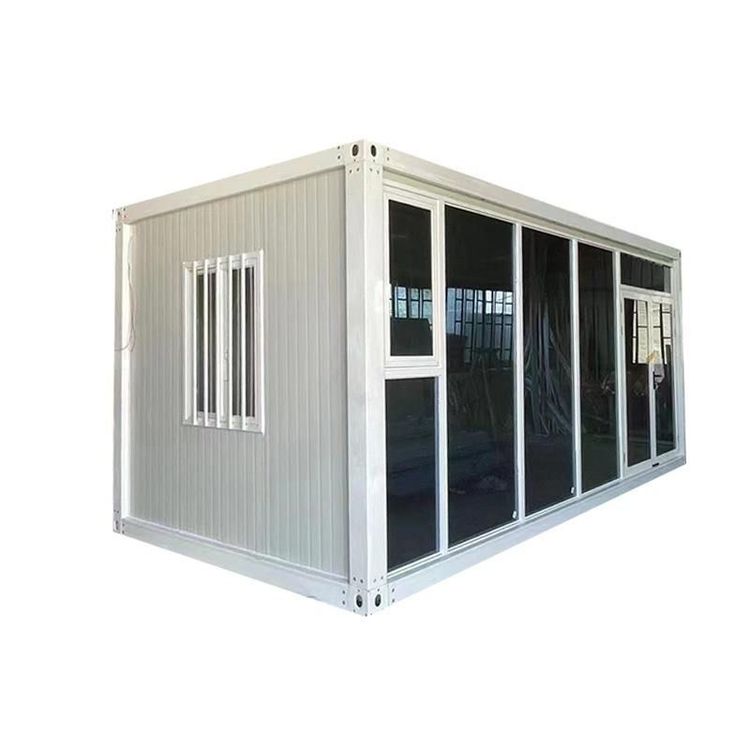
Puyang Mobile Toilet Design
Puyang mobile toilet design encompasses a variety of types and functions, emphasizing practicality, environmental protection, and human-centric needs. The following outlines the core design dimensions:

I. Basic Sanitary Facility Design All mobile toilets are equipped with standardized sanitary equipment, including toilets, sinks, toilet paper holders, and flushing devices. The toilets feature odor-proof designs, with some high-end models incorporating vacuum suction systems to rapidly remove waste and reduce odor diffusion through negative pressure. Sinks are typically equipped with sensor-activated faucets to prevent cross-contact infections and meet water-saving requirements. Toilet paper holders are made of moisture-proof materials to ensure normal paper supply in humid environments. Flushing systems are divided into foot-operated and sensor-operated types, with the former suitable for outdoor environments and the latter enhancing hygiene and convenience.
II. Space and Material Design The interior space of standard mobile toilets ranges from 1.2 to 1.5 square meters, accommodating 1-2 people simultaneously, with a layout that balances functionality and comfort. The exterior is primarily made of high-strength fiberglass, offering waterproof, sun-resistant, and corrosion-resistant properties, with a service life of over 5 years. Some customized models include non-slip steps and handrails to enhance safety, particularly for the elderly, children, or individuals with disabilities. The interior walls are made of easy-to-clean materials to reduce stain retention and lower maintenance costs.
III. Water, Electricity, and Sewage Design The power supply system offers two modes: 220V external power for fixed locations and battery power for temporary events. The sewage system is divided into direct discharge and fecal storage types: direct discharge requires connection to municipal sewage pipes, suitable for urban squares and scenic spots; fecal storage models are equipped with independent storage tanks that require regular professional vehicle clearance, ideal for remote areas or large outdoor events. Some eco-friendly models adopt water circulation systems, achieving sewage reuse through filtration and disinfection, with daily water savings exceeding 80%.
IV. Style and Functional Design
- Basic Model: Features a single compartment with a toilet, sink, and simple flushing system, suitable for small events or temporary needs.
- Multi-Compartment Model: Offers double or multiple independent spaces, with some models equipped with separate sinks and mirrors to meet high-traffic scenarios.
- Eco-Friendly Model: Utilizes microbial decomposition technology to break down waste through specific bacteria, enabling waterless flushing and odor-free operation, ideal for water-scarce regions.
- Luxury Model: Boasts exquisite interior decoration, equipped with an independent toilet, sink, storage rack, and aroma system, with an exterior made of metal or wood to enhance the user experience.
- Special Function Model: Includes barrier-free toilets with handrails and toilet seat lifting devices; models with shower functions are suitable for outdoor exploration and camping scenarios.
V. Additional Features and Smart Design High-end configurations can optionally include aroma systems, emergency lighting, constant temperature heating devices, and barrier-free designs. Some rental providers offer customization services, such as corporate logo painting or special size designs. In terms of intelligence, some models are equipped with emergency call buttons, background music systems, and eco-friendly heating devices to enhance safety and comfort. Models using microbial decomposition technology do not require sewage pipes, achieving harmless waste treatment through bacterial activity, completely solving odor and clogging issues.