
Purpose of Installing Mobile Toilets
The purpose of installing mobile toilets is mainly reflected in alleviating pressure in public places, providing temporary convenience, avoiding pollution hazards, maintaining urban image, meeting specific scenario needs, and supporting emergency management.
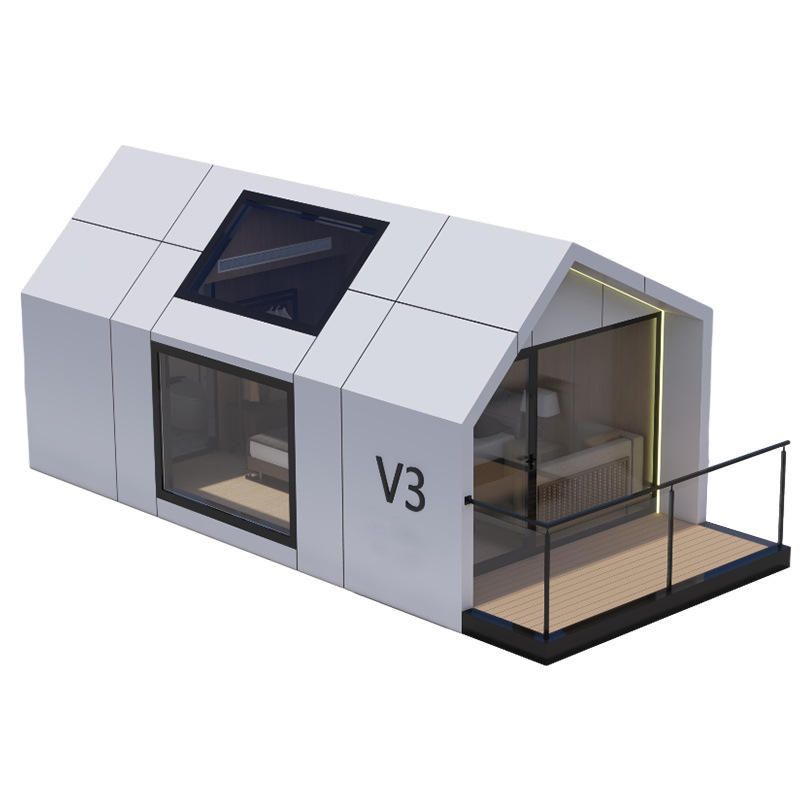
1. Alleviating Pressure on Public Toilets
During holidays, large-scale events, or peak tourist seasons, fixed toilets often become overloaded due to a surge in foot traffic, leading to long queues and deteriorating sanitary conditions. Mobile toilets can be rapidly deployed to high-traffic areas (such as squares and scenic spot entrances) to effectively divert usage demands, making up for the shortcomings of fixed facilities and ensuring the basic sanitary needs of the public. For example, deploying 1-2 mobile toilets per thousand people at music festivals can significantly reduce queuing times.
2. Providing Temporary Convenience
For temporary events (such as sports competitions and exhibitions) or short-term construction projects, the construction cost of fixed toilets is high and the cycle is long. Mobile toilets, with their portable and easy-to-install features, can be put into use within a few hours, providing basic sanitary services for participants. Their modular design also allows for flexible adjustment of the number based on the number of people, avoiding resource waste.
3. Avoiding Environmental Pollution and Safety Hazards
In the absence of excretion facilities, the public may choose to relieve themselves anywhere, leading to soil pollution, waterborne disease transmission (such as cholera and dysentery), and mosquito and fly infestations. Mobile toilets use closed treatment systems (such as septic tanks and microbial degradation) to centrally collect excreta, reducing the spread of pollutants and lowering public health risks, especially in remote areas with weak sanitary conditions or temporary resettlement sites after disasters.
4. Maintaining Urban Image and Environmental Protection
Modern mobile toilet designs focus on blending with the surrounding environment, using exterior materials such as imitation wood and stone to avoid a “dirty, messy, and poor” visual impression. At the same time, water-saving devices (such as vacuum toilets and circulating water systems) can reduce water consumption by 30%-50%, aligning with the concept of green urban development and enhancing the city's civilized image.
5. Meeting Specific Scenario Needs
In ecologically sensitive areas (such as nature reserves and wetlands), fixed toilets may damage the environment. Mobile toilets can be strategically placed and then relocated, minimizing long-term ecological impact; in tourist attractions, mobile toilets can be flexibly adjusted to popular check-in spots nearby, shortening the time tourists spend searching for toilets and enhancing their travel experience.
6. Supporting Emergency Management
After earthquakes, floods, and other disasters, fixed toilets are often unusable due to damage to infrastructure. Mobile toilets can be rapidly air-dropped or transported by vehicle along with relief supplies to disaster areas, providing sanitary protection for affected people and rescue personnel and avoiding disease transmission or social disorder caused by a shortage of toilets.



