
Precautions for Purchasing Mobile Toilets
When purchasing mobile toilets, it is essential to consider various factors such as usage scenarios, material quality, sewage disposal methods, and other comprehensive aspects to ensure that the product is suitable, durable, and easy to maintain.
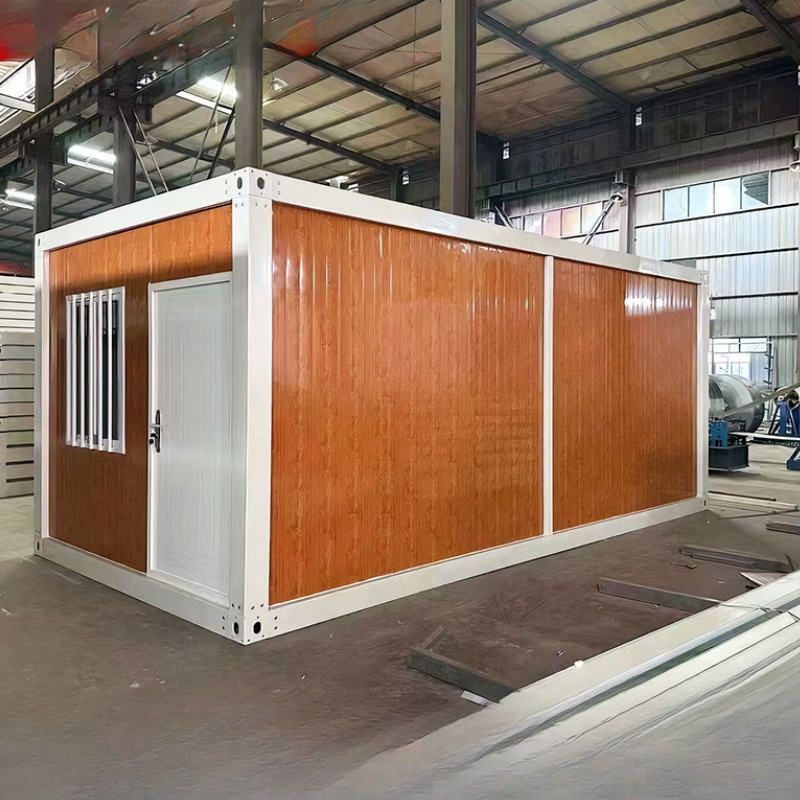
1. Select Models Based on Usage Scenarios
Different scenarios have distinct functional requirements for mobile toilets. For construction sites, temporary construction areas, or short-term events, it is advisable to choose simple steel-structured mobile toilets, which are sturdy, easy to assemble and disassemble, can be transported repeatedly, and require simple maintenance. Scenic spots, parks, or cultural tourism parks are suitable for prefabricated landscape mobile toilets, which have a simple and elegant appearance, good sealing properties, and can effectively reduce odor accumulation. Rural outdoor areas, camping sites, or areas without sewage networks require sewage-free ecological mobile toilets, which do not require complex civil engineering construction, have reasonable sewage disposal designs, are leak-proof, and easy to clean. For events, exhibitions, or large-scale team-building activities, it is recommended to use multi-compartment mobile public toilets, which have an adequate number of stalls and can improve personnel turnover efficiency.
2. Focus on Material Quality
The material directly affects the service life and safety of the mobile toilet. The main frame should be made of hot-dip galvanized square steel welded structure, which has strong wind, sun, and corrosion resistance, and is not prone to deformation or paint peeling and rusting during long-term outdoor use. Avoid choosing thin iron sheets or thin-walled square tubes, as these materials are prone to rusting and require frequent maintenance. Among exterior wall panels, metal carved panels have the best overall performance and are suitable for municipal, scenic spot, and other scenarios. Color steel panels are lightweight and cost-effective, suitable for short-term use on construction sites. Landscape-shaped panels have a high aesthetic appeal and are suitable for gardens or cultural tourism scenic spots. The internal configuration should focus on basic functions such as anti-slip and wear-resistant floors, odor-proof ceramic sanitary ware, ventilation and air exchange equipment, and energy-saving lighting. It is particularly important to check the sealing process and odor-proof design to avoid odor or insect infestation later.
3. Choose Sewage Disposal Methods Based on Site Conditions
The sewage disposal method should match the site's sewage network conditions. If the site has a municipal sewage network, a direct discharge method can be chosen. For areas without a sewage network, sewage-free flushing and packaging methods or microbial degradation methods should be selected to avoid operational and maintenance difficulties caused by sewage disposal issues later.
4. Other Precautions
- Size and Layout: Choose an appropriate size based on the available space and foot traffic. The internal layout should be reasonable to ensure that facilities such as toilets and sinks are easy to use.
- Sanitary Facilities: The type of toilet (squat/sit) should meet the needs, the flushing system should perform well, and the sink design should be easy to clean.
- Ventilation and Lighting: A good ventilation system can reduce odors and humidity, while sufficient lighting can enhance internal comfort.
- Insulation and Heat Insulation: In areas with significant temperature variations, choose products with insulation and heat insulation properties to adapt to different seasons.
- Appearance and Environmental Protection: The appearance should be in harmony with the usage environment, and priority should be given to products with environmental protection certifications.
- After-sales Service and Brand: Choose well-known brands and reputable manufacturers to ensure timely after-sales services such as installation guidance and maintenance.
- Budget and Cost-effectiveness: Choose products based on the budget while ensuring quality, avoiding the pursuit of low prices at the expense of quality.



