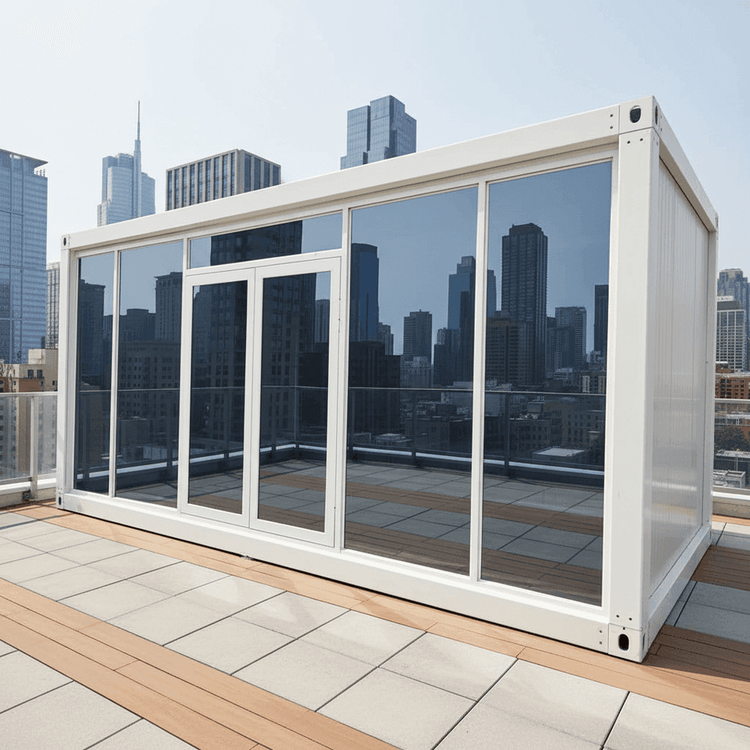
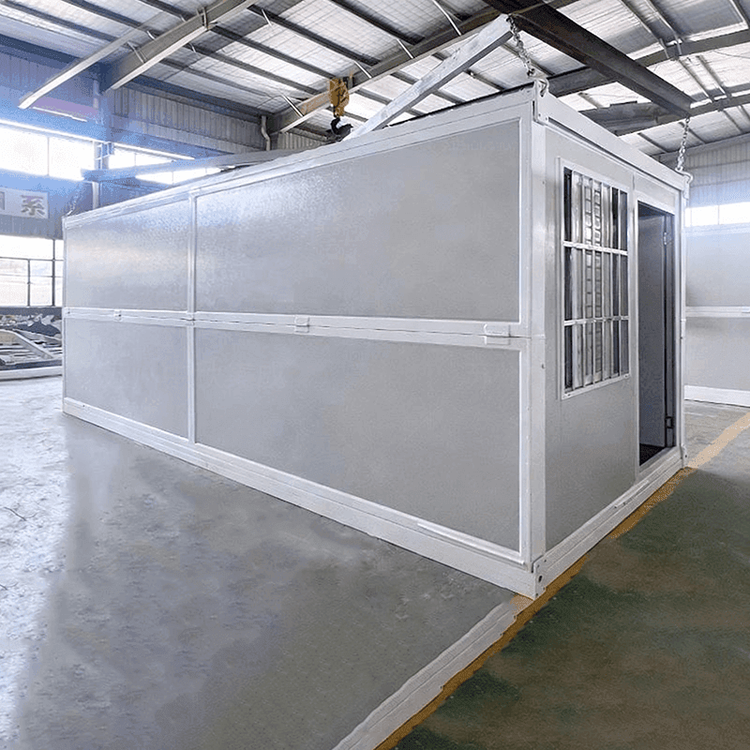
Punan Prefabricated Housing
No direct detailed information on 'Punan Prefabricated Housing' has been found, but a科普 (popular science) explanation can be provided by combining relevant technologies of prefabricated housing and similar projects in the Punan area.

Prefabricated housing, also known as pre-cast housing or prefabricated assembled buildings, is a form of construction where building components are produced industrially and assembled on-site. Its core advantages include shortening construction periods, reducing construction pollution, and improving production efficiency. The main types include panel-assembled, box-assembled, and frame-assembled structures, with technologies covering prefabricated concrete structures and steel structures, and components including prefabricated beams, slabs, walls, and columns. China's prefabricated concrete technology began in the 1950s, initially applied in factory and residential construction. It saw a resurgence in the 21st century due to environmental protection needs and improved production efficiency. Companies like Vanke Group have developed prefabricated shear wall residential structural systems and applied prefabricated frame technologies in projects. Additionally, Chinese-made prefabricated housing has performed outstandingly in the international market. According to customs data, in the first four months of 2026, the export of movable houses in the Guangzhou Customs area reached 1.4 billion yuan, a year-on-year increase of 38.1%, indicating its technological maturity and market recognition.
Regarding the Punan area, the Renovation and Improvement Project of the Former Primary School Public Housing in Qianyu, Punan Street is a post-reservoir resettlement support project in 2025, mainly involving the construction of a steel-concrete building covering an area of approximately 2,900 square meters. It should be noted that whether steel-concrete buildings fall within the scope of prefabricated housing depends on the specific construction method: if components such as beams, slabs, and columns are prefabricated in factories and assembled on-site, they meet the definition of prefabricated housing; if traditional cast-in-place concrete construction is used, they do not fall within the prefabricated category. Currently, publicly available information does not clarify whether this project uses prefabricated technology, but there is an intersection between steel-concrete structures and prefabricated housing technologies. For example, prefabricated concrete structures achieve steel-concrete effects through the assembly of prefabricated concrete components.
In conclusion, to further understand 'Punan Prefabricated Housing', it is recommended to supplement specific project information or construction method details to clarify whether it falls within the scope of prefabricated assembled buildings.