
Pull Mobile Toilet
"Pull mobile toilet" typically involves the moving methods of mobile toilets or the latch operations in their usage scenarios, which can be divided into the following aspects:
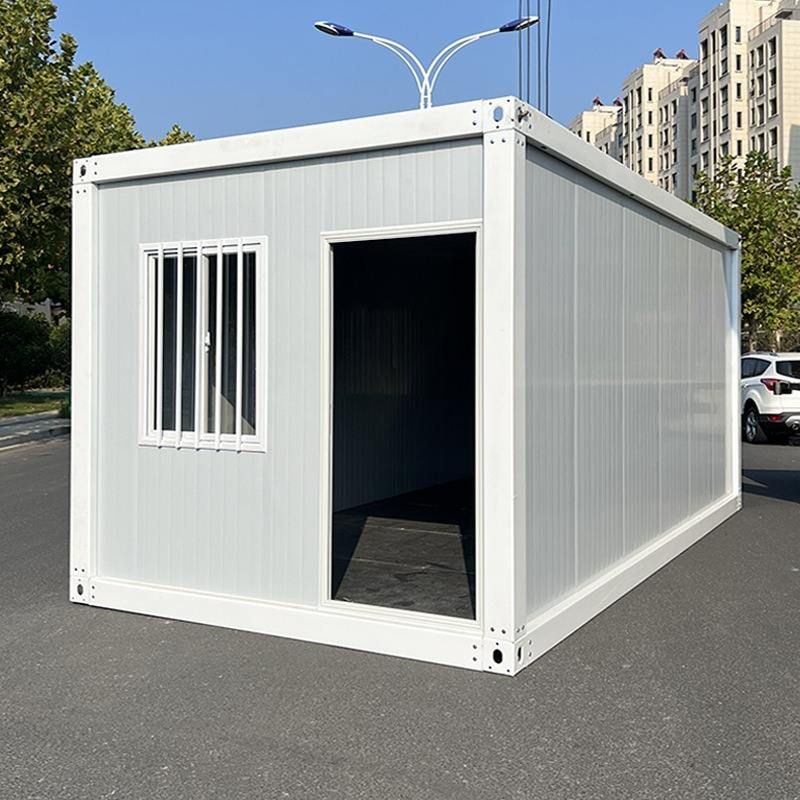
The moving methods of mobile toilets mainly fall into two categories. The first category is lifting and handling mobile toilets. These toilets are usually small in size and compact in structure. They can be lifted and moved as a whole using lifting equipment (such as cranes) or handled over short distances by manual labor using handling tools (such as forklifts and hand trucks). Their advantage lies in high flexibility, enabling rapid deployment to temporary locations such as construction sites and open-air gatherings. However, their moving range is limited by the reachability of the handling tools. The second category is powered and towed mobile toilets. Some products are designed in the form of trailers (such as mobile trailer toilets), equipped with axles or towing devices at the bottom, and can be moved over long distances by being towed by cars. These toilets are commonly seen in outdoor scenic spots and emergency disaster relief scenarios. For example, after a natural disaster, they can be quickly towed to the affected areas to provide temporary sanitation facilities. Towed mobile toilets have higher moving efficiency, but it is necessary to ensure the compatibility between the towing vehicle and the toilet and comply with relevant road transportation regulations.
In addition, in the usage scenarios of mobile toilets, latch operation is a key link to avoid the embarrassment of accidental opening. After entering the toilet, the user needs to pull the latch closed. At this time, an external indicator light or sign will display "Occupied" to prompt others not to enter. After use, the user pulls the latch open, and the external sign switches to "Vacant" for the convenience of the next user. This design effectively solves the privacy issues in the use of public toilets through simple mechanical or electronic signal transmission. For example, in high-frequency usage scenarios of mobile toilets such as music festivals and marathons, clear latch status displays can significantly reduce conflicts caused by accidental opening and enhance the user experience.
It should be noted that the choice of moving method for mobile toilets should be combined with the actual scenario requirements. If frequent position adjustments are required (such as at construction sites), lifting-type toilets are more convenient. If cross-regional transportation is needed (such as for emergency rescue), towed-type toilets are more efficient. At the same time, although latch operation is simple, users need to develop usage habits to avoid embarrassment or equipment damage due to negligence.



