
Puge Haikou Mobile Toilet Rental
Haikou mobile toilet rental primarily serves temporary sanitation needs in specific scenarios, with its design, process, types, and maintenance management all requiring optimization based on environmental characteristics and usage requirements.
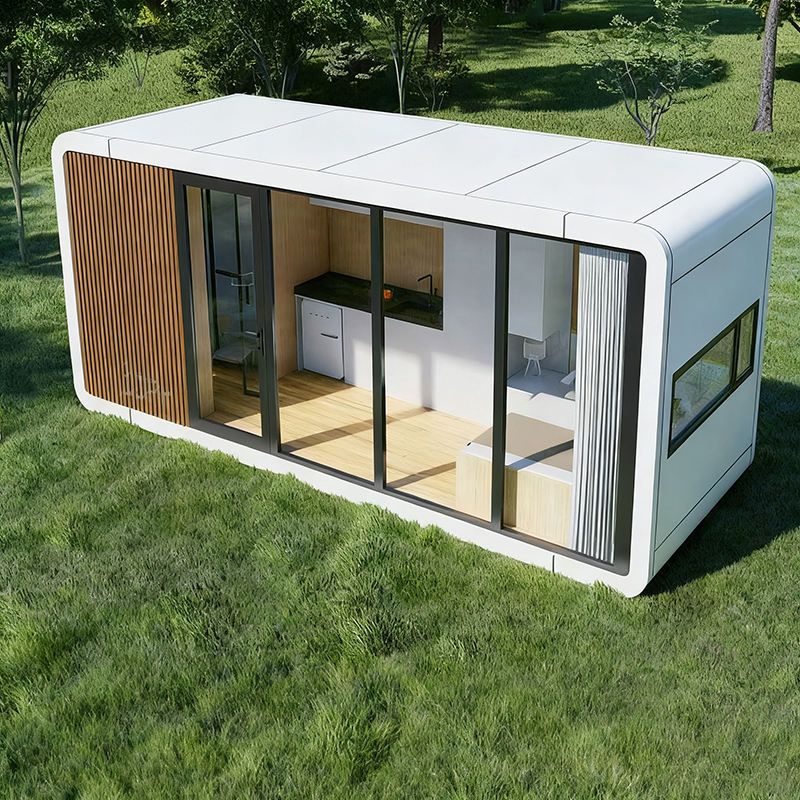
As a tropical coastal city, Haikou experiences humid weather and high summer temperatures, necessitating tailored designs for mobile toilets. The toilet bodies should be made of corrosion-resistant composite materials to withstand the erosion of metal structures in high-humidity environments. The ventilation systems should enhance exhaust efficiency to prevent the accumulation of odors caused by high temperatures, with some units incorporating dehumidification modules to reduce internal humidity. The water storage systems are typically equipped with large-capacity tanks to meet flushing needs in outdoor settings without water access, while waste treatment units can choose between septic tank sedimentation or biodegradation technology based on rental duration, with the latter being more suitable for long-term events to reduce cleaning frequency.
The rental process consists of four stages: During the needs assessment stage, it is essential to clarify the usage scenario, number of users, duration, and special requirements (such as barrier-free facilities). In the equipment transportation stage, modular designs are employed for rapid deployment to the site via specialized vehicles. During installation, it is crucial to ensure the equipment is placed horizontally and connected to water and electricity lines (some units can operate independently). For post-installation maintenance, the rental company provides regular cleaning, waste removal, and equipment inspection services, typically cleaning at least twice daily and increasing frequency during peak event periods.
Equipment types are categorized based on usage scenarios: Basic models are suitable for small outdoor events or short-term construction projects, accommodating 10-20 users per session and equipped with basic flushing and ventilation functions. Upgraded models target large events or long-term projects, adding amenities such as air conditioning, lighting, and sinks, serving over 50 users per session. Special-needs models include barrier-free restrooms (with wheelchair ramps and handrails) and母婴室 (with independent nursing spaces and changing tables), requiring a 15-day advance reservation to ensure equipment availability.
Cost components include four parts: Equipment depreciation accounts for 30%-40%, varying positively with equipment type and usage duration. Transportation costs are calculated based on distance and equipment quantity, with a single transportation cost ranging from approximately 500 to 2000 yuan. Maintenance expenses cover cleaning supplies, waste treatment, and labor services, with long-term rentals eligible for negotiated package prices. Labor service fees include installation, commissioning, and on-site staffing costs. The final cost is determined by综合考虑 (comprehensively considering) rental duration (daily/weekly/monthly), equipment type (basic/upgraded/special), and service content (whether on-site staffing is included). It is advisable to obtain a detailed quotation from a reputable rental company.



