
Public Toilet Transformation into Mobile Toilet
Public toilets can be transformed into mobile toilets through specific methods, with common forms including temporary functional conversion and the adoption of new mobile toilet technologies.
I. Transformation through Temporary Functional Conversion
In places like scenic spots, when there is a surge in women's toilet needs, traditional public toilets can be temporarily adjusted to achieve this transformation. For example, part or all of the men's toilet area can be temporarily converted into a women's toilet, while buses can be added as "mobile men's toilets." The principle behind this approach is to utilize the spatial flexibility of existing fixed facilities, quickly changing functional partitions through physical isolation or signage adjustments. The advantage of using buses as mobile men's toilets lies in their high mobility, allowing for rapid deployment to areas with concentrated demand. Moreover, they are typically equipped with independent squatting positions, urinals, and ventilation systems inside, meeting basic toilet needs. For instance, during holidays or large-scale events, some scenic spots adopt this method to alleviate long queues for women's toilets, while covering demand peaks in different areas through the mobility of buses.
II. Transformation through New Mobile Toilet Technologies
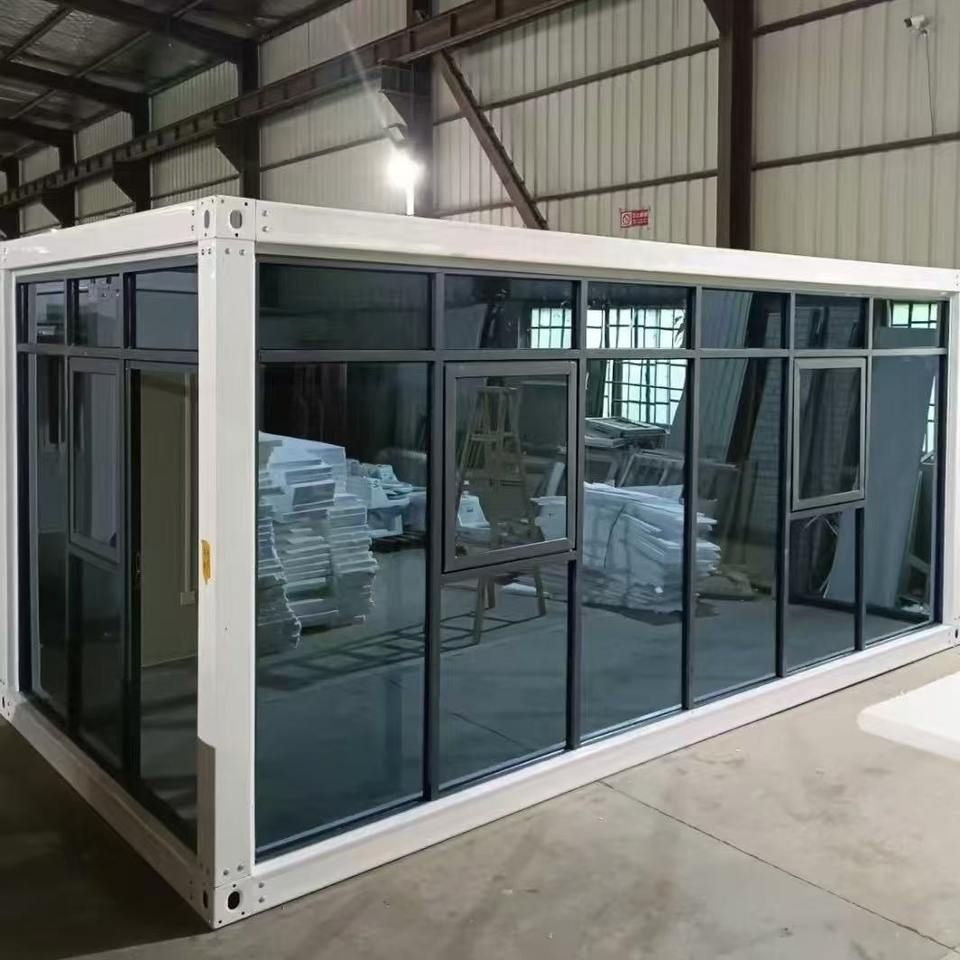
Prefabricated public toilets, as a new form of mobile toilets, achieve the transformation from traditional public toilets to mobile toilets through technological innovation. Their core features include:
- Waterless Microbial Degradation Technology: This technology uses biological degradation to treat excreta, eliminating the need for connection to water networks and sewage pipelines, thereby reducing dependence on infrastructure.
- Flexible Site Selection and Rapid Deployment: Modular design allows for disassembly and transportation, enabling quick assembly in core areas of scenic spots or temporary event venues. The construction period is usually only a few days, much shorter than that of traditional public toilets.
- Environmental Protection and Sustainability: The microbial degradation process reduces sewage discharge, and some models are equipped with solar power systems, further reducing environmental impact.
For example, in mountainous scenic spots or temporary exhibition venues, prefabricated public toilets can be directly placed on hardened ground, decomposing excreta through microbial strains to achieve "instant construction and use." This technology not only solves the problem of insufficient coverage caused by site selection limitations of traditional public toilets but also adapts to the dynamic changes in toilet needs through mobility.
Summary: The core logic of transforming public toilets into mobile toilets is to enhance the adaptability of facilities to dynamic needs through functional adjustments or technological upgrades. Temporary functional conversion focuses on the redistribution of space and resources, while prefabricated public toilets achieve essential mobility through technological innovation. Together, they provide flexible and efficient toilet solutions for scenic spots, event venues, and other scenarios.



