
Public Toilet-Style Mobile Toilet
A public toilet-style mobile toilet is a facility that can be moved as a whole and provides toilet services to the public.
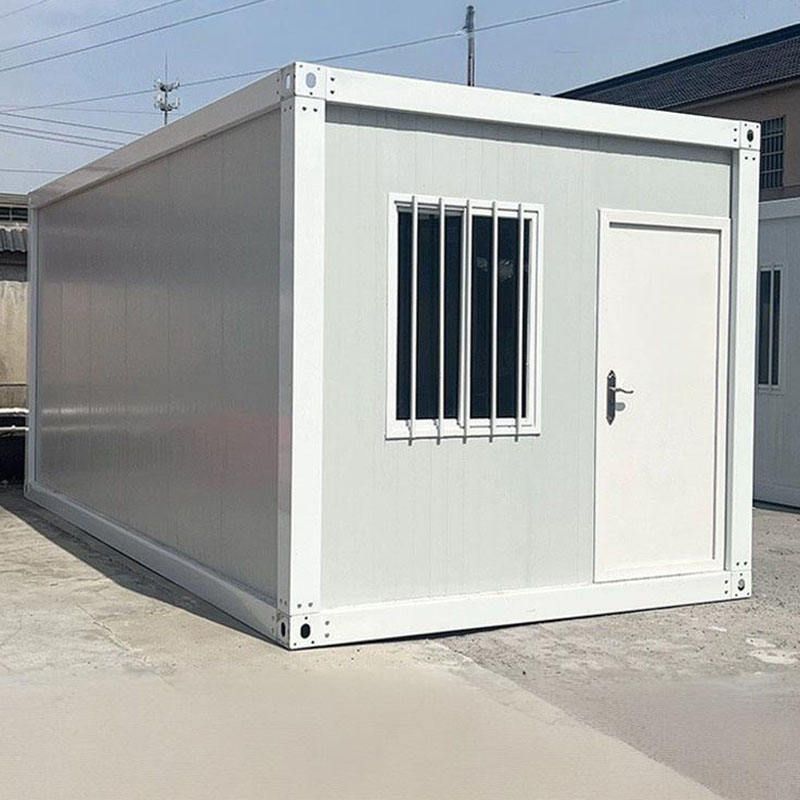
I. Applicable Places Public toilet-style mobile toilets are suitable for a variety of places, including stations, docks, tourist attractions, villa areas, newly built residential areas, large construction sites, squares, as well as densely populated public places and bustling commercial streets. These places often have a large flow of people and a concentrated demand for toilets. However, the construction of traditional fixed toilets is restricted by factors such as land and planning, making it difficult to meet the demand. Mobile toilets, on the other hand, can be flexibly set up to promptly solve the toilet problem.
II. Composition Structure Generally, they are composed of a fecal sewage storage tank (or fecal sewage treatment device), floor slab, sanitary ware, walls, washing equipment, water tank, roof, and mobile device. These components work together to ensure that the mobile toilet has complete usage functions. For example, the fecal sewage storage tank is used to collect and store fecal sewage, the sanitary ware provides basic toilet facilities, and the mobile device ensures that the toilet can be moved as a whole.
III. Classification Methods
- By structural form: They can be divided into single-structure mobile toilets and composite-structure mobile toilets. The single-structure type is relatively simple and independent, while the composite-structure type may be composed of multiple parts and has more complex and diverse functions.
- By moving method: They are classified into lifting and handling mobile toilets and powered and towed mobile toilets. Lifting and handling types are suitable for short-distance movement and are operated with the help of lifting equipment. Powered and towed types can be moved over longer distances through vehicle traction.
- By sewage treatment method: They are divided into water-flushing and non-water-flushing suction mobile toilets, circulating water-flushing mobile toilets, and dry-packing mobile toilets. Different treatment methods are suitable for different environments and needs. For example, water-flushing types have better cleaning effects but require a water source, while dry-packing types do not need a water source and are suitable for water-scarce areas.
IV. Design Principles The design should follow the principles of easy mobility, economic durability, environmental protection, ecological friendliness, improved efficiency, and humanitarian promotion. The overall structure should be light and made of light and durable materials while being sturdy. The height and width of the toilet should be controlled, and the mobile device should be complete and reasonable. For example, Dezhou Hongtu Metal Products Co., Ltd. produces mobile toilets with different styles to meet the needs of different scenarios. Apple-cabin toilets are suitable for scenic campsites, with exquisite interior decoration and complete functions.



