
Interior of Public Toilet Mobile Vehicle
The interior configurations of public toilet mobile vehicles vary depending on the vehicle model and design, but typically include basic functional areas, intelligent equipment, hygiene and safety facilities, user-friendly designs, and other configurations.
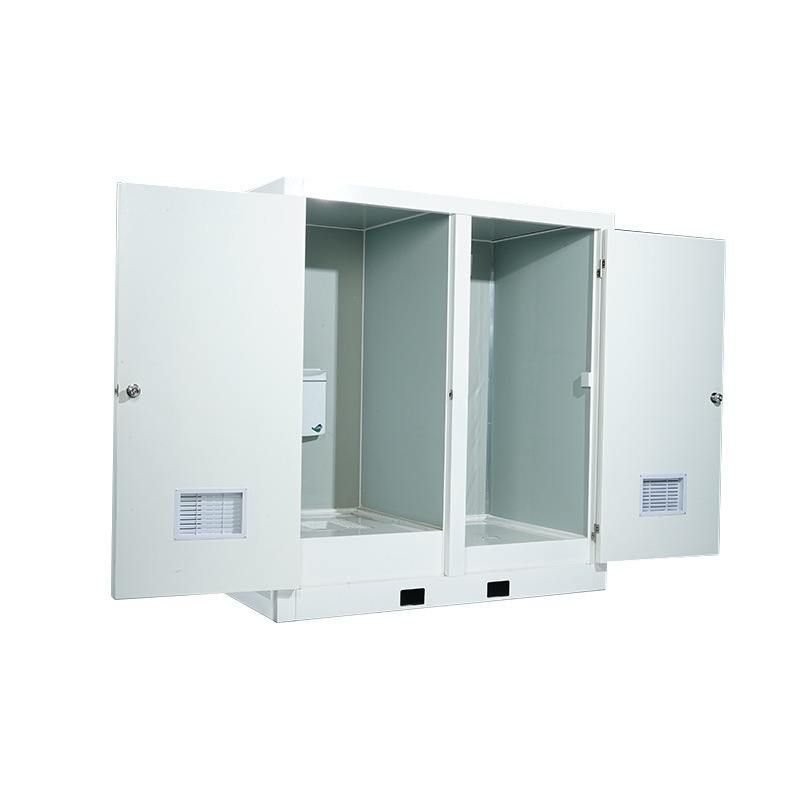
The basic functional area is the core part of the mobile toilet, usually strictly divided into male and female sections. Each squatting position is equipped with an independent partition to ensure user privacy; the floor is made of anti-slip 304 stainless steel checkered plate, which is both durable and hygienic. The male section features integrated urinals, which are designed to be simple, stylish, and space-saving, enhancing usage efficiency.
The application of intelligent equipment significantly improves the convenience and comfort of mobile toilets. Some models are equipped with smart mirrors that display information such as time and weather; the breathing light system automatically adjusts brightness according to the environment, creating a comfortable atmosphere. Additionally, the exhaust, lighting, water supply, and temperature control systems work together to ensure fresh air, sufficient light, and an appropriate temperature inside. Basic facilities such as coat hooks, shelves, handrails, and dedicated USB charging ports further meet the diverse needs of users.
Hygiene and safety are top priorities in the design of mobile toilets. Built-in sewage and water flow pipes ensure timely discharge of waste, preventing odor buildup; lighting and electrical equipment ensure safety during nighttime use. Some models are also equipped with automatic sensor flushers to reduce contact contamination; a complete set of safety handrails provides support for the elderly or those with mobility issues; a one-touch emergency button allows for quick assistance in emergencies; odor-removing and fragrance-spraying devices, along with disposable toilet seat covers and disinfectants, work together to maintain a hygienic environment inside.
User-friendly designs are reflected in the consideration for special groups. Some models feature a "third toilet" with a foldable baby changing table, making it convenient for parents to change diapers for their infants; child-specific toilets are designed according to children's height, reducing usage difficulty. These configurations represent the upgrade of mobile toilets from being merely "usable" to "user-friendly."
In terms of other configurations, some models have a high degree of integration between the waste collection system and the sink, allowing for factory prefabrication and direct use after delivery, reducing on-site installation time. The sink is usually equipped with a sensor faucet to further reduce contact contamination and enhance hygiene levels.



