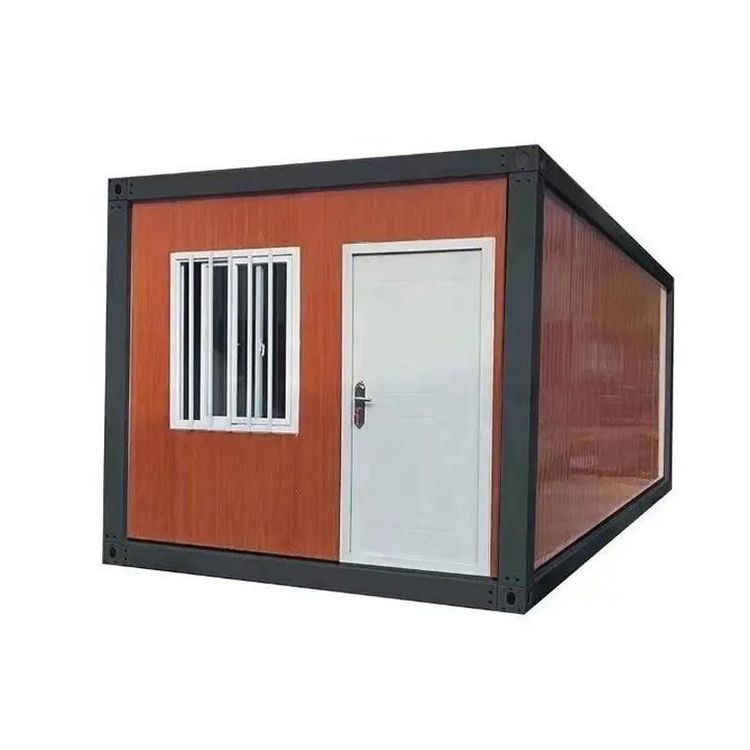
Public Toilet - Mobile
Mobile public toilets in public restrooms are facilities that can be moved as a whole and provide toilet services to the public. They are suitable for various places and come in multiple types with distinct features.

Suitable Locations: Mobile toilets are suitable for stations, docks, tourist attractions, villa areas, newly built residential communities, large construction sites, squares, densely populated public places, and bustling commercial streets. These locations often require flexible and convenient toilet facilities due to high foot traffic, limited construction conditions, or temporary needs, and mobile toilets precisely meet these requirements.
Structural Composition: They are generally composed of fecal sewage storage tanks (or fecal sewage treatment devices), floor slabs, sanitary ware, walls, washing equipment, water tanks, roofs, and mobile devices. These components work together to ensure the normal use and easy mobility of mobile toilets.
Type Classification:
- By structural form: They can be divided into single-structure mobile toilets and composite-structure mobile toilets. Single-structure toilets are relatively simple and suitable for smaller-scale locations; composite-structure toilets are more complex and have more comprehensive functions, suitable for large-scale events or long-term use.
- By mobility method: They can be classified as lifting and handling mobile toilets, and powered and towed mobile toilets. Lifting and handling types are suitable for short-distance movement or locations with limited space; powered and towed types can be moved long distances by vehicle traction, offering greater flexibility and convenience.
- By sewage treatment method: They are divided into water-flush and waterless suction-type mobile toilets, circulating water-flush mobile toilets, and dry-packing mobile toilets. Water-flush types are clean and hygienic but require a water source; waterless suction types treat feces through suction and are suitable for water-scarce areas; circulating water-flush types save water by recycling water resources; dry-packing types pack feces for easy subsequent treatment.
Features and Advantages: Mobile toilets can be conveniently transported to any location where toilets are needed and can be used repeatedly. They have the advantages of mobility, modularity, and ease of transportation. Additionally, there are mobile intelligent and environmentally friendly public toilets that are compact, mobile, intelligent, and eco-friendly, such as the Yuanting Smart Environmental Protection Public Toilet Station, equipped with various intelligent devices to enhance the user experience.