
Public Place Dedicated Mobile Toilet
A public place dedicated mobile toilet is a facility that can be moved as a whole and provides toilet services to the public. It is not restricted by fixed buildings and can be flexibly deployed in various locations.
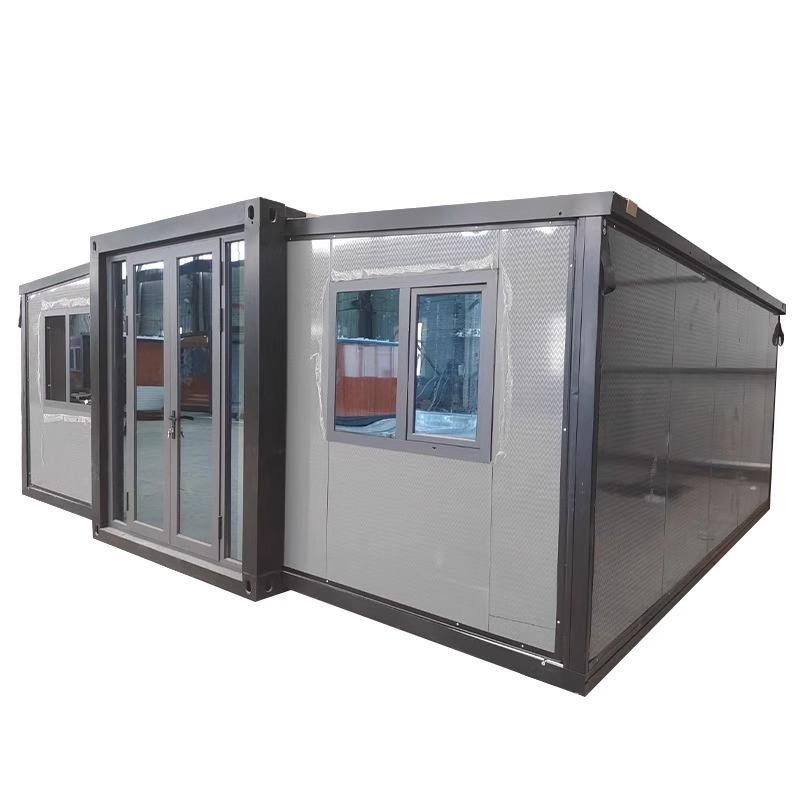
Applicable Places
Public place dedicated mobile toilets have a wide range of applicability. They are not restricted by fixed buildings and can be flexibly scheduled based on factors such as the density of pedestrian traffic and the location of events. Whether it is urban business districts, large-scale exhibitions, remote outdoor scenic spots, or stations, docks, tourist attractions, villa areas, newly built residential communities, large construction sites, squares, densely populated public places, and bustling commercial streets, they can be quickly deployed to promptly meet people's toilet needs. For example, during large-scale exhibitions, mobile toilets can be set up at appropriate locations according to the number of participants and the layout of the venue to meet the toilet needs of the participants. In remote outdoor scenic spots, due to the lack of fixed toilet facilities, mobile toilets can be conveniently transported into the scenic spots to provide convenience for tourists.
Structural Composition
Mobile toilets are generally composed of fecal sewage storage tanks (or fecal sewage treatment devices), floor slabs, sanitary ware, walls, washing equipment, water tanks, roofs, and mobile devices. These components work together to ensure the normal use and functional realization of the mobile toilet. For example, the fecal sewage storage tank is used to store fecal sewage to avoid direct discharge causing pollution to the environment. Sanitary ware and washing equipment provide users with a comfortable toilet and hand-washing environment. The mobile device enables the mobile toilet to be easily transported and deployed.
Classification Methods
According to the structural form, they can be divided into single-structure mobile toilets and composite-structure mobile toilets. According to the mobile method, they can be divided into hoisting and handling mobile toilets, powered and towed mobile toilets. According to the sewage treatment method, they can be divided into water-flushing and non-water-flushing suction mobile toilets, circulating water-flushing mobile toilets, and dry-packing mobile toilets. Different types of mobile toilets are suitable for different scenarios and needs. For example, in water-scarce areas, dry-packing mobile toilets are more suitable because they do not require water for flushing and can effectively save water resources.
Characteristics and Advantages
Public place dedicated mobile toilets have the advantages of being movable, combinable, and easy to transport. They can be conveniently transported to any place where toilets need to be set up and can be used repeatedly, reducing construction costs and usage costs. In addition, the design of mobile toilets follows the principles of easy mobility, economic durability, environmental protection, ecological friendliness, improved efficiency, and promoting humanity. The overall structure is designed to be lightweight, using lightweight and durable materials as much as possible, with a sturdy structure. At the same time, the height and width of the toilet are controlled, and the mobile device is complete and reasonable.



