
Public Mobile Toilet Queue
The issue of queues at public mobile toilets can be effectively alleviated through the design of tidal public toilets and modern management techniques. It is a common phenomenon that women's toilets in scenic spots have long queues, with waiting times for women to use the toilet exceeding 30 minutes during peak periods in some scenic spots. However, targeted measures can significantly improve the experience.
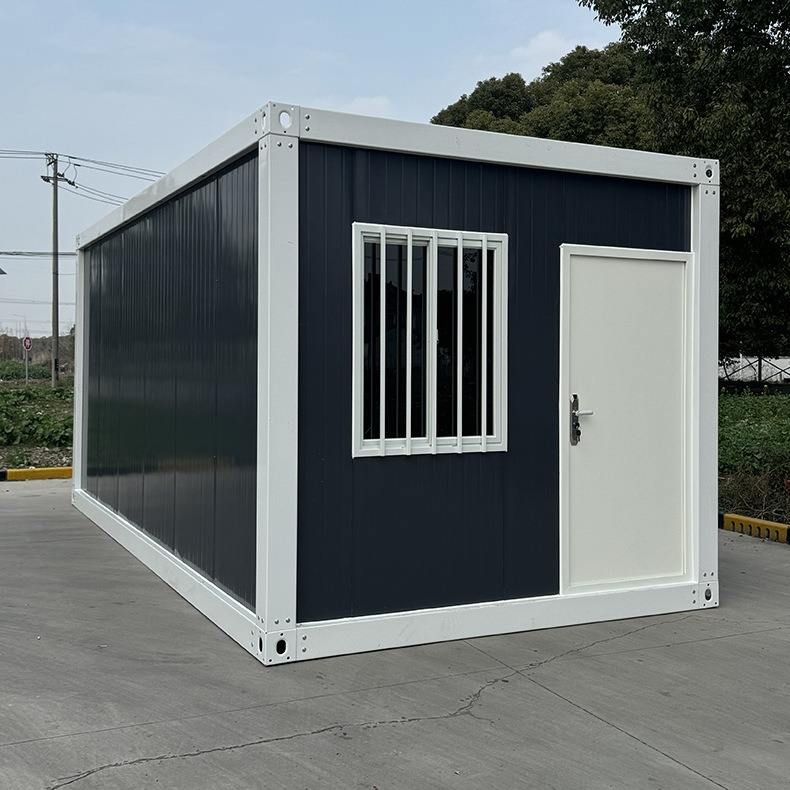
Tidal public toilets resolve supply-demand conflicts by dynamically adjusting toilet stall allocations. The core design involves installing lockable sliding tidal doors in the middle of men's and women's toilets, creating a universally accessible toilet stall area that can be connected in both directions. Management personnel can adjust toilet stall allocations based on real-time foot traffic, for example, temporarily converting some men's toilet stalls into women's toilet stalls. Since Shenzhen began piloting tidal public toilets in 2023, six have been built in Nanshan District, covering parks, scenic spots, and other locations. Through the cooperation of intelligent toilet guidance systems and dedicated management personnel, dynamic allocation of toilet stall resources has been achieved. After introducing tidal toilets at Heidushan Scenic Spot in Qinghai, the waiting time for women during peak periods was reduced from over 30 minutes to less than 10 minutes, validating the effectiveness of this design.
Modern scenic spot public toilets enhance usage efficiency through information transparency. Some scenic spot public toilets are equipped with intelligent display screens that show real-time toilet stall usage status (such as vacant, occupied, or being cleaned) and cleaning records. Tourists can plan their toilet routes in advance to avoid blind queuing. For example, a certain scenic spot guided tourists to disperse to toilets on different floors or areas through intelligent display screens, reducing the number of people queuing at a single point by 40%. In addition, the intelligent system can also coordinate with cleaning staff to clean toilet stalls promptly when they are vacant, preventing them from being unavailable due to hygiene issues.
Comprehensive measures require supporting management mechanisms to ensure effectiveness. Tidal public toilets rely on the combination of intelligent toilet guidance systems and manual supervision to ensure timely and accurate toilet stall adjustments; modern public toilets require regular maintenance of intelligent equipment to avoid incorrect information display. Scenic spots can also further alleviate queuing issues through auxiliary measures such as adding temporary mobile toilets and optimizing the ratio of men's to women's toilet stalls (for example, adjusting the ratio from 1:1 to 1:2). The combined effect of these measures can significantly enhance the service capacity of public mobile toilets.



