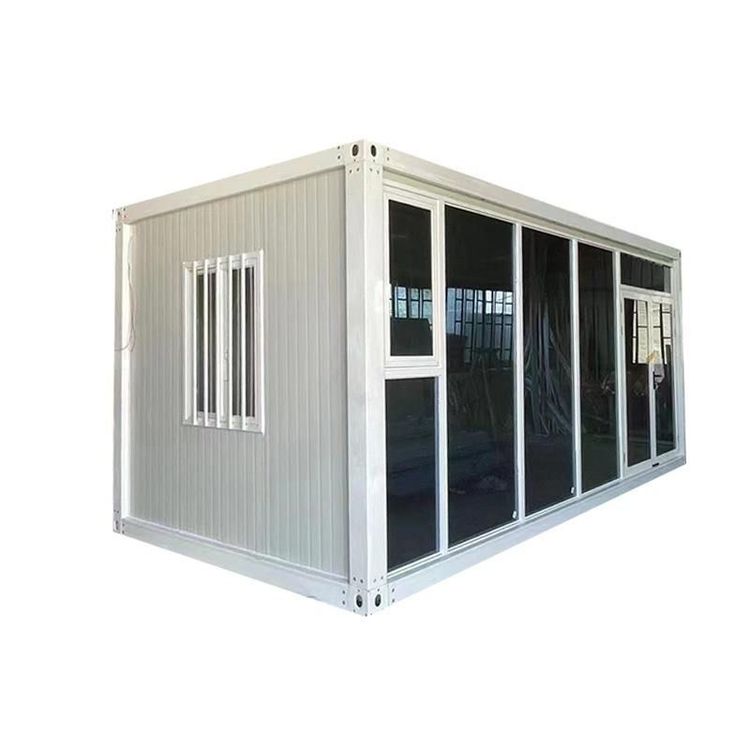
Public Mobile Toilet Fees
The fees for public mobile toilets vary depending on the usage scenario and type, mainly falling into two categories: rental fees and single-use fees.

Rental Fee Model: Taking Jingdezhen as an Example
The rental fee standards for mobile toilets in Jingdezhen are influenced by three factors: rental duration, toilet type, and the number of units.
- Basic Mobile Toilets: The daily rental fee for a single unit is approximately 150-200 yuan. If more than 10 units are rented, the average daily cost can be reduced to 120-180 yuan per unit. These toilets are typically equipped with basic sanitation facilities and are suitable for short-term events or temporary venues.
- Eco-Friendly Mobile Toilets: Due to their sewage treatment capabilities, these toilets have higher technical costs, with a daily rental fee of about 200-300 yuan. Their advantage lies in reducing sewage discharge, making them more compliant with environmental requirements, and they are often used in scenarios with high environmental management standards, such as scenic spots or large-scale exhibitions.
The core logic of rental fees is economies of scale: The cost of renting a single unit is relatively high, but bulk rentals can reduce the unit price by sharing fixed costs such as equipment transportation and maintenance. Additionally, longer rental durations may further optimize the average daily cost, with long-term projects potentially enjoying discounted rates.
Single-Use Fee Model: Taking Shopping Mall "Toilet Seat Cleaners" as an Example
Some public venues, such as shopping malls and office buildings in Kangqiao, Shanghai, have introduced "toilet seat cleaners," where users are required to pay 0.9 yuan per use for a clean toilet seat. The characteristics of this model are:
- Scenario Specificity: It is mainly targeted at areas with high foot traffic and significant sanitation management pressure, balancing cleaning costs with user experience through a payment mechanism.
- Technology Dependency: The equipment requires regular replacement or disinfection of toilet seats, and the operator needs to bear the costs of consumables and maintenance, so the fees cover these expenses.
- User Choice: Users can choose whether to pay for use, complementing traditional free public toilets and meeting differentiated needs.
Core Reasons for Fee Differences
- Functional Differences: Eco-friendly toilets have significantly higher costs than basic ones due to the addition of sewage treatment modules.
- Operational Costs: The rental model needs to cover transportation, installation, and maintenance costs, while the single-use fee model needs to balance consumables and cleaning costs.
- Market Positioning: Short-term events prioritize low-cost basic toilets, while long-term projects or high-requirement scenarios favor eco-friendly ones; shopping malls and other venues enhance user experience through value-added services.
Users should make a comprehensive judgment based on usage scenario, budget, and sanitation needs when choosing. For example, temporary exhibitions are suitable for renting basic toilets, while high-end scenic spots or long-term projects may consider eco-friendly ones.