
Prospects of Prefabricated Houses
The prospects for prefabricated houses are quite broad, primarily reflected in aspects such as market size growth, application scenario expansion, prominent advantages, and policy support and industry attention.
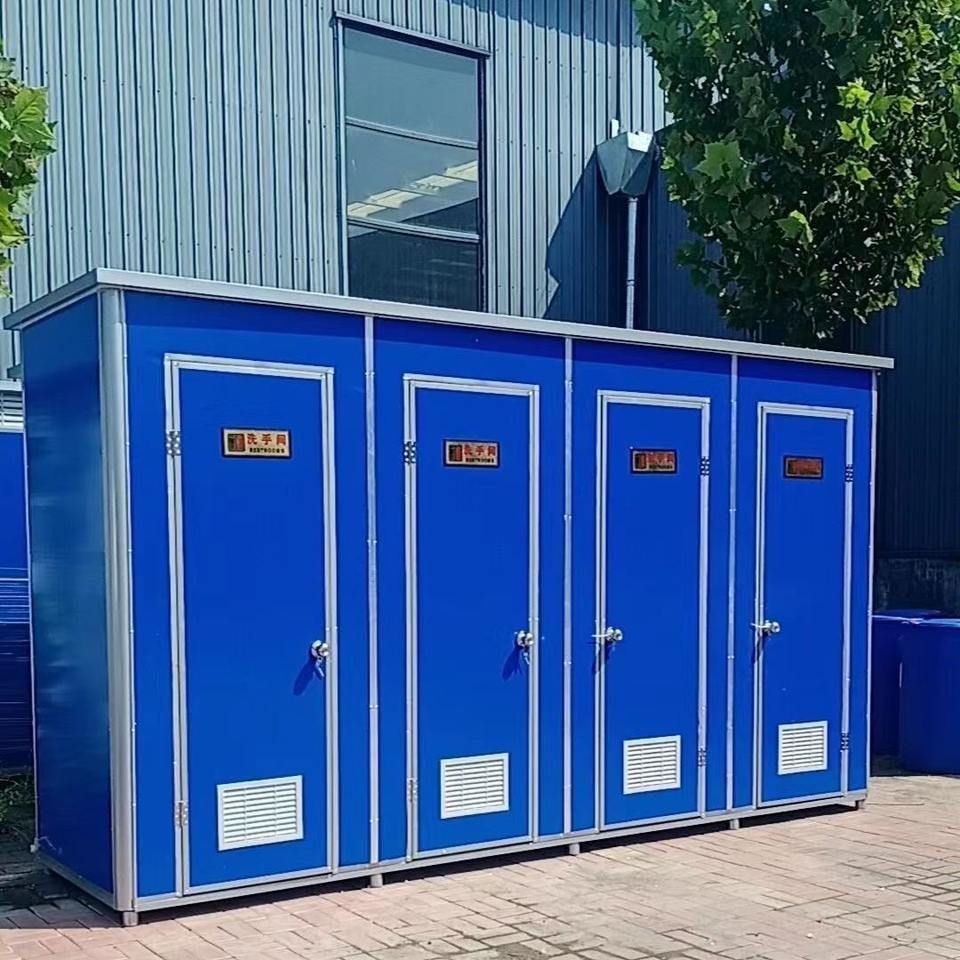
Significant Market Size Growth: From a global perspective, market research institutions predict that by 2030, the global modular construction market size will exceed $142.8 billion, indicating that the share of prefabricated houses in the global construction market will continue to expand. In China, data from the General Administration of Customs shows that from 2015 to 2025, the export volume of prefabricated buildings nearly tripled over a decade, with a growth rate as high as 45% in the first quarter of 2026. This demonstrates the continuously strengthening competitiveness of the domestic prefabricated housing industry in the international market, the rapid expansion of export scale, and huge market potential.
Continuous Expansion of Application Scenarios: The application scenarios of prefabricated houses are extremely wide. Modular buildings can be applied to various scenarios such as hotels, apartments, dormitories, office buildings, hospitals, and even data centers. At the same time, prefabricated houses are also suitable for various building types including residential buildings, schools, hospitals, and office buildings. They have high design flexibility and can be customized according to customer needs to meet the diverse requirements of different customer groups. In addition, prefabricated houses have good earthquake resistance, wind resistance, and thermal insulation properties, which can meet the dual requirements of modern buildings for safety and comfort, further expanding their application scope.
Prominent Advantages: Compared with traditional construction methods, prefabricated houses have many advantages. Their construction method breaks through the limitations of traditional on-site construction, emphasizing modular design and industrial production, which significantly shortens the construction period, greatly improves resource utilization, and markedly reduces environmental pollution. At the same time, modular buildings also have advantages such as short construction periods, controllable quality, energy conservation and environmental protection, and easy maintenance, making prefabricated houses more attractive in market competition.
Policy Support and Industry Attention: With the acceleration of urbanization, the scarcity of land resources, and the increasing environmental protection requirements, traditional construction methods are facing more and more challenges. Prefabricated and mobile buildings, with their advantages of high efficiency, environmental protection, and flexibility, are gradually receiving attention from governments and the construction industry around the world. Policy support and industry attention will provide strong guarantees for the development of prefabricated houses and drive their continuous progress.



