What Are the Prospects of Container Houses?
The prospects for container houses are relatively good, which is mainly reflected in the following aspects:
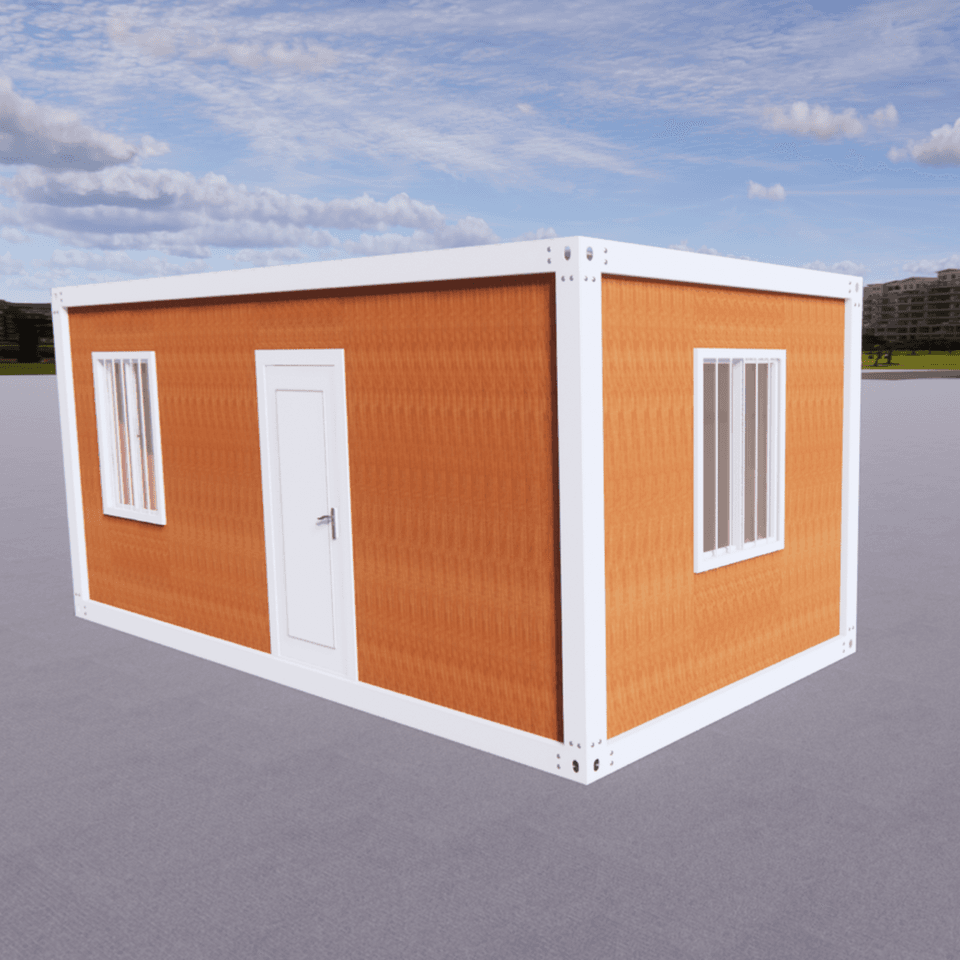
Strong policy support: The 'Implementation Plan for Rural Construction Actions' released by the Ministry of Housing and Urban-Rural Development in 2024 lists 'promoting green and low-carbon buildings' as a key task. Container houses, as a typical representative of prefabricated buildings, are included in the scope of pilot promotion. Meanwhile, the '14th Five-Year Plan for the Development of Prefabricated Buildings' clearly states that by 2025, the proportion of prefabricated buildings in rural areas should reach over 30%. Container houses, which meet the green construction requirements of 'energy conservation, land conservation, water conservation, and material conservation', have become the core direction of policy support.
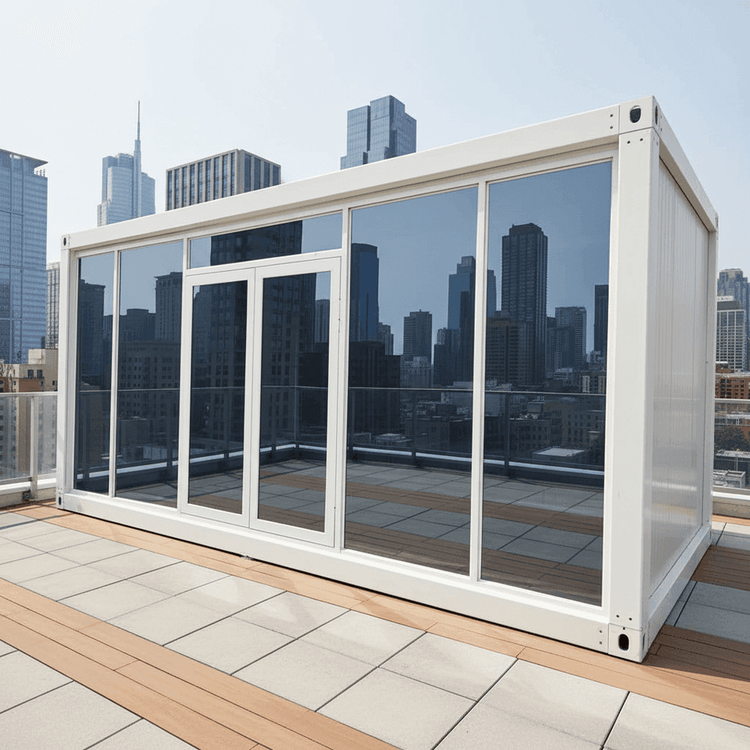
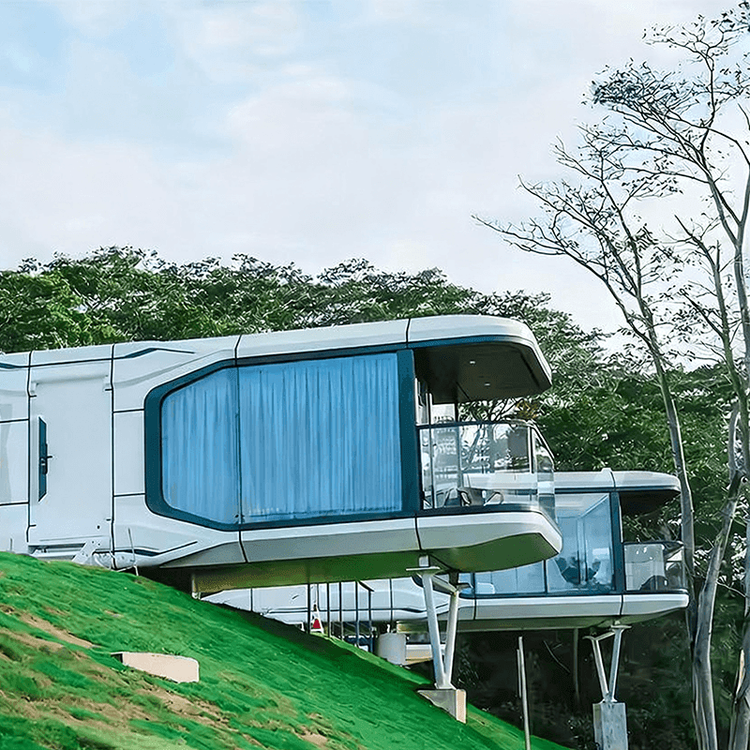
Diverse and significantly growing market demand: In the early days, container houses were mainly used as temporary housing on construction sites. Nowadays, they have expanded into areas such as personalized residences, tourist homestays, commercial retail, art galleries, and emergency disaster relief. In 2024, the overall market size in China reached 18.63 billion yuan, a year-on-year increase of 12.7%. It is expected that the market size of the luxury container house segment will reach 6.72 billion yuan in 2025, a year-on-year increase of 28.8%. This growth rate far exceeds that of the traditional real estate industry, demonstrating its anti-cyclical nature driven by consumption upgrades.
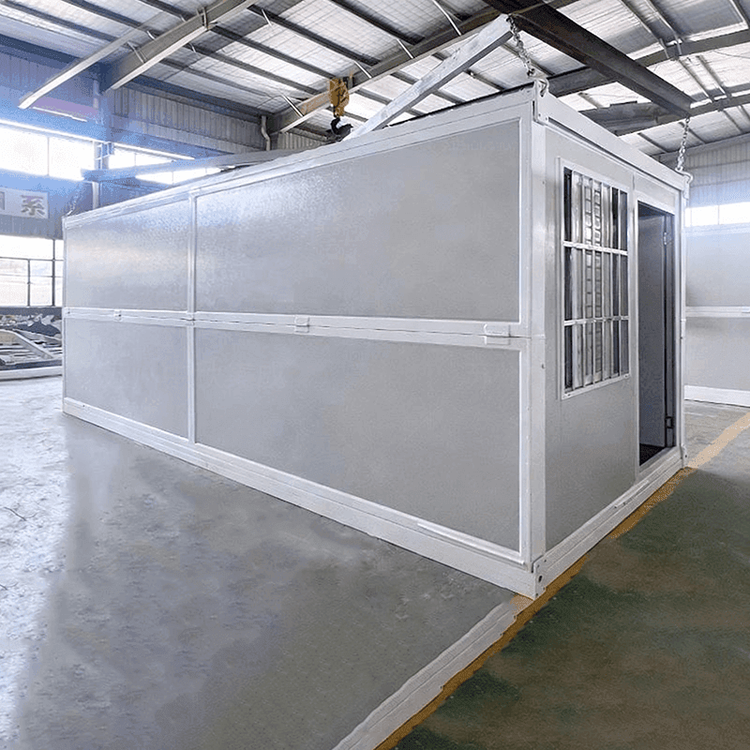
Technological progress driving product upgrades: In terms of material science, the application of new thermal insulation, heat insulation, and fireproof materials has improved living comfort and safety. In structural design, the modular concept has matured, allowing for flexible combination of container bodies and optimizing space utilization through concealed internal piping designs. In production processes, automated production lines and BIM systems have shortened the construction cycle to 28 days, reduced labor costs by 18%, and significantly improved quality stability, laying the foundation for large-scale replication of high-quality projects.
Outstanding advantages in environmental protection and sustainable development: Container houses achieve resource recycling by transforming retired containers or steel materials. During the production process, green technologies such as integrated solar photovoltaic panels and rainwater collection systems are used to reduce energy consumption and pollution, aligning with global low-carbon development trends.
Solving the pain points of traditional house construction: In terms of cost, the procurement cost of the main structure of container houses is low, and their 'lightweight' nature reduces foundation requirements, providing significant cost advantages for construction on complex terrains. In terms of flexibility, their modular nature supports free combination of spaces and rapid conversion of functions, meeting the diverse needs of rural revitalization.
Challenges: The industry still faces issues such as an incomplete standard system (lack of unified certification standards for luxury-grade container residences) and uncertainty in land use policies (construction on agricultural land or ecological protection areas requires multi-party coordination).