Back to blog
Article
Pros and Cons of Container Houses
Admin September 10, 2026
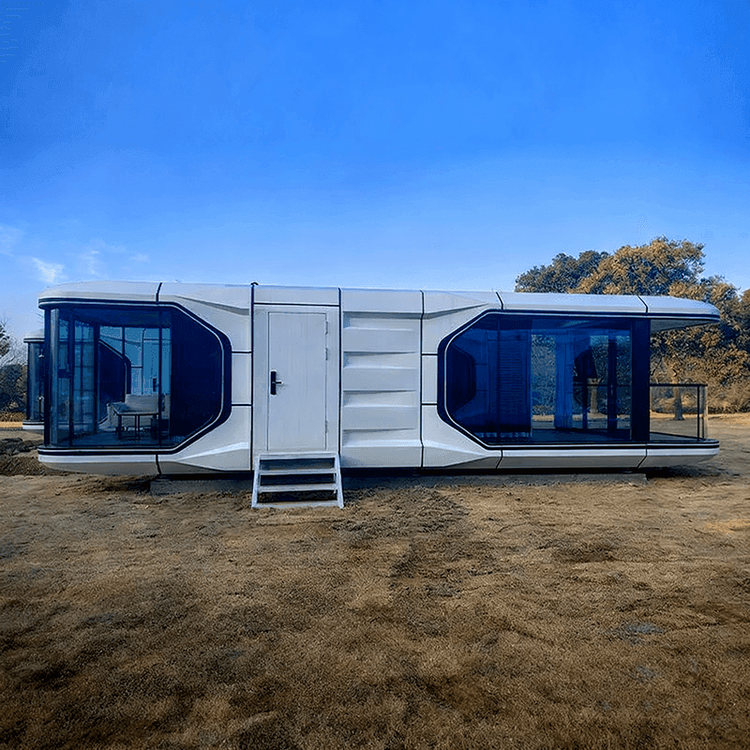
Advantages of container houses include easy construction, low cost, environmental friendliness, good earthquake resistance, strong flexibility, and stackability; disadvantages include limited lifespan, poor sound insulation, and low bank valuations.

Advantages:
- Easy to build: Container houses use factory-prefabricated parts; walls, roofs, and other modules are made in the factory, and the site only needs block-like assembly. For a 100 m² house, completion and move-in can take 1-2 months, while traditional building often takes over a year, sharply shortening construction time.
- Low cost: Cost per square meter is about $208-$347, roughly 20% less than traditional brick-concrete, and labor can be cut by half. The edge comes from modular production and sensible material mixes that meet function needs while optimizing spending.
- Strong environmental performance: Construction waste drops by about 90%, steel is recyclable, and residual value after dismantling is high. Remodeling idle shipping containers into houses also eases empty-box piles at ports and supports resource reuse.
- Excellent earthquake resistance: Light-steel systems can withstand magnitude-8 quakes; one office building in Xinjiang even survived a magnitude-9 event. With professional reinforcement, container houses can handle typhoons, earthquakes, and other disasters and suit long-term safe living.
- Flexibility and expandability: Modular design supports many combinations, from single rooms to multi-story buildings. Houses can be moved whole or partly dismantled and reassembled for temporary use, emergency housing, and other shifting needs.
- High space efficiency: Structures optimized with professional software support vertical stacking (up to 7 stories), enabling high-density use on limited land for compact urban living.
Disadvantages:
- Limited service life: Light-steel houses theoretically last about 50 years; wood only about 30; and in humid or high-salt areas corrosion can shorten life. Regular maintenance (e.g., rust prevention) is needed; long-term cost may rise.
- Poor sound insulation: Container walls are thin (usually 12-14 mm), so indoor–outdoor noise interference is clear; extra soundproofing is needed to improve living comfort.
- Weak financial attributes: Banks generally value container houses below traditional homes, and resale liquidity is weaker. For example, in Chongqing the market price for the same area is about $20,833 lower than brick-concrete, affecting investment returns.
Related