Pros and Cons of Container Houses
Advantages of container houses include high flexibility, strong cost efficiency, reliable structure, personalized appearance, and strong eco performance; drawbacks involve dispersed living locations, comfort limits, environmental adaptability challenges, energy dependence, and complex approvals.

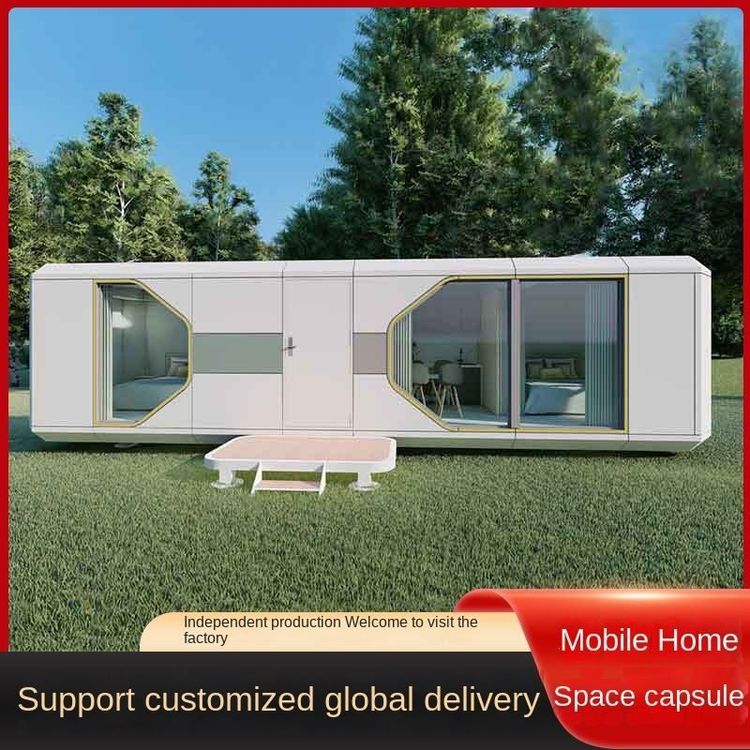
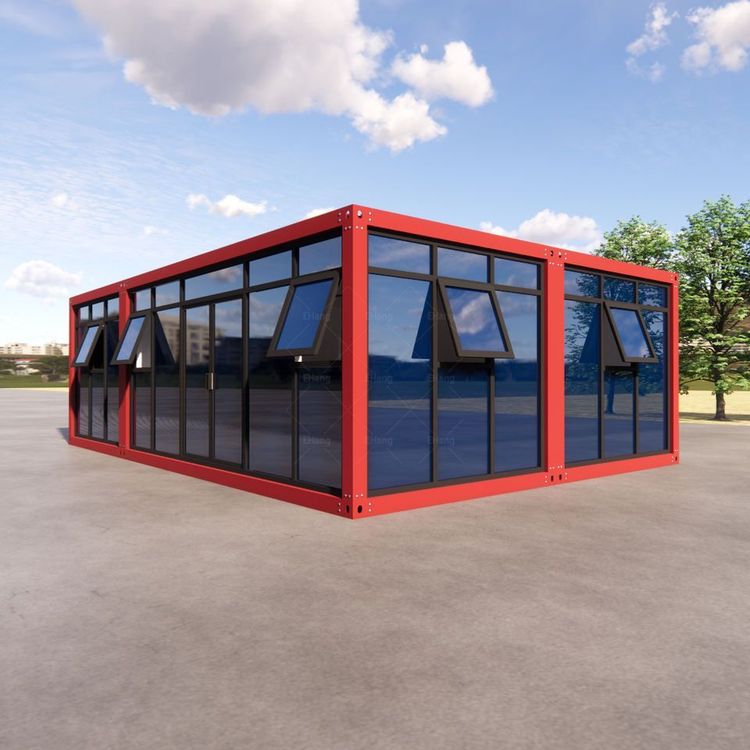
Advantages: Container houses use modular design and can be quickly assembled or dismantled with standardized components for temporary housing, commercial space, or even art installations—especially suited to post-disaster rebuilding or emergency scenes. Build cost is usually below traditional homes, with a clearer edge where land is scarce or building materials are expensive; mobility also cuts long-term land commitment and further lowers living cost. Structural safety is a core strength: containers were designed to protect cargo from long-haul impacts and, after reinforcement, can withstand typhoons, earthquakes, and other disasters; some cases meet building seismic standards. Appearance is highly customizable—surfaces can be freely painted for creative looks. Environmentally, containers are reusable and cut construction waste; some projects integrate solar panels, rainwater harvesting, and other renewables to raise energy efficiency.
Disadvantages: Dispersed siting is a main issue—many units sit in remote or industrial areas with weak community amenities and lower security, raising public-safety risk. Comfort is strongly affected by metal: high heat conduction causes large indoor temperature swings, so insulation, HVAC, and ventilation are needed; interior width is often only about 2.4 m, so space planning must be highly refined or the interior feels cramped. In humid or high-salt areas (e.g., coasts), containers corrode easily and need regular rust prevention and painting, raising long-term cost. Early energy dependence meant heating and power relied on the grid with unstable indoor control; PV/thermal panels and underfloor heating have partly improved this, but upfront investment remains high. Approval complexity appears when projects need multi-agency reviews for planning, fire safety, and more, and timelines can lengthen with local policy differences.