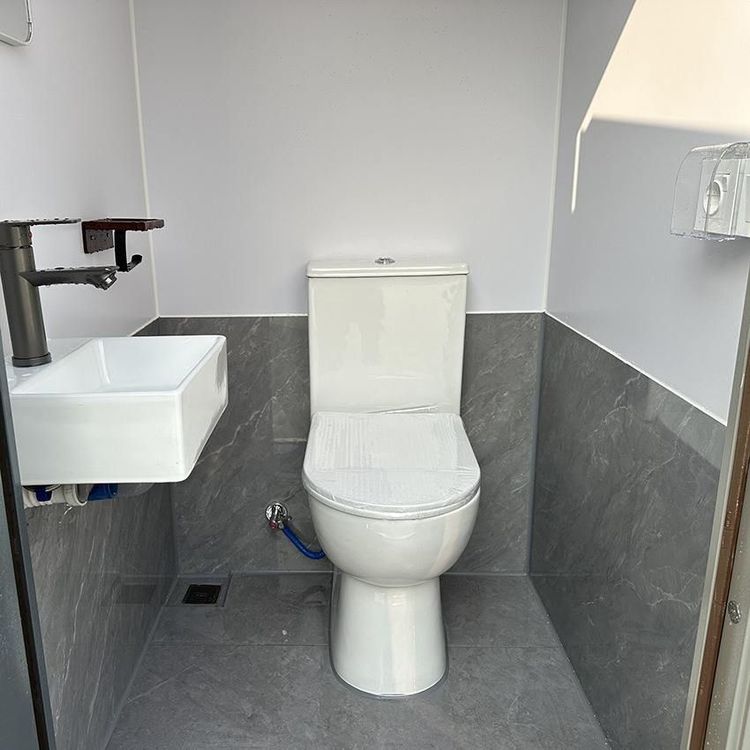
Where Does the Profit of Mobile Toilets Come From
The profit sources of mobile toilets are mainly reflected in five aspects: multi-scenario demand, policy dividends, technological optimization, diversified models, and value-added services.
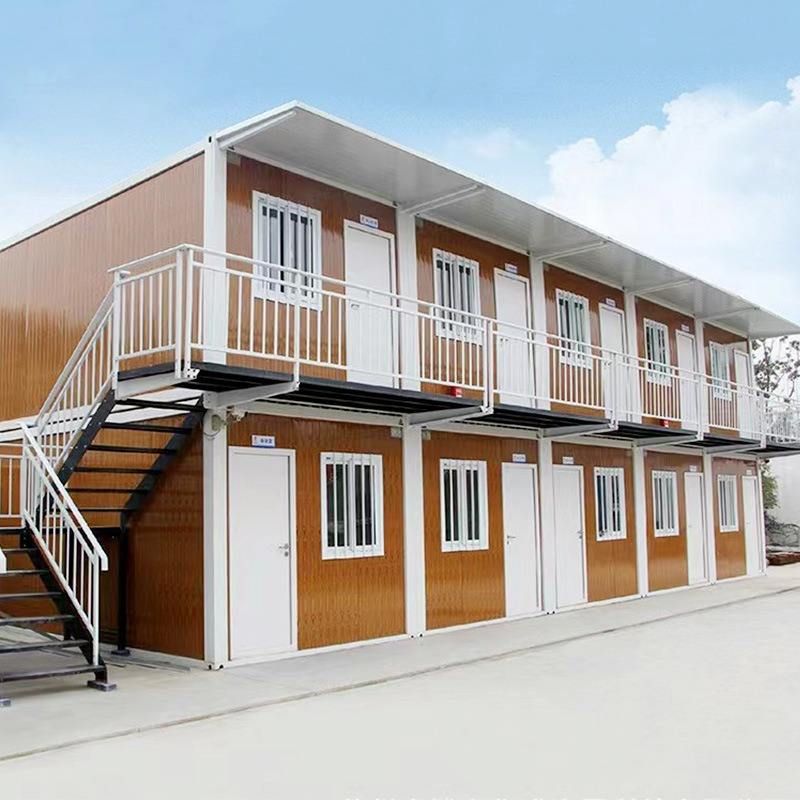
I. Revenue from Rigid Demand in Multiple Scenarios Construction sites, required by regulations to install temporary toilets, become long-term stable customers, typically renting on a monthly basis with short payment cycles. Short-term events such as cultural and tourism attractions, music festivals, and marathons see explosive demand during peak seasons, allowing for significant price premiums on rentals. Municipal emergency projects (e.g., urban renovations, temporary gatherings) secure orders through government procurement or service purchases. Ecological mobile toilets are in high demand in areas without municipal sewer networks, such as mines, wilderness projects, and remote villages, creating a differentiated market.
II. Policy Support and Market Growth Dividends Policies such as the 'Toilet Revolution,' urban public toilet upgrades, and rural living environment improvements drive demand for modular and movable public toilets. For example, construction sites and large events may face penalties if they do not provide mobile toilets, making demand more rigid. Sanitation projects adopt a light-asset model of 'leasing + operation and maintenance' procurement, further expanding market space.
III. Cost Optimization and Additional Revenue Driven by Technology Vacuum toilet technology achieves cost reduction and efficiency improvement through water conservation (0.5-0.8L per flush, saving over 80% of water), independence from municipal sewer networks (flexible deployment with high rental premiums), and fecal resource utilization (conversion into organic fertilizer or biofuel, generating additional annual revenue of over 200,000 yuan). For example, one company reduced the annual operating cost of a single device by 30% through fecal treatment technology while opening up additional revenue channels.
IV. Diversified Profit Models Event service provider models charge per use (30-50 yuan per toilet stall per day, with single-event revenue for large events reaching tens of thousands of yuan). Annual trusteeship for scenic spots charges based on visitor volume tiers (e.g., a basic service fee of 300 yuan per day for fewer than 5,000 visitors per day, with a 0.1 yuan per visitor share for excess). Municipal emergency procurement secures stable orders through bidding (contract amounts ranging from 50,000 to 200,000 yuan per project), forming a multi-tiered revenue structure.
V. Value-Added Services and Intelligent Management Enhance Revenue Integrating modules such as QR code-based paper dispensing and hygiene product vending increases annual derivative revenue by 2,000 yuan per device. Installing IoT sensors for real-time usage monitoring improves operation and maintenance efficiency by 30% and reduces labor costs. For example, one company shortened equipment failure response times by 50% and increased customer satisfaction by 20% through an intelligent management system.