Back to blog
Article
Profit of Designing Container Houses
Admin September 15, 2026
The profit from designing container houses is influenced by multiple factors such as costs, selling prices, market demand, and competition, making it difficult to generalize. However, reasonable management can yield considerable profits. Here is a detailed analysis:
Cost Aspect
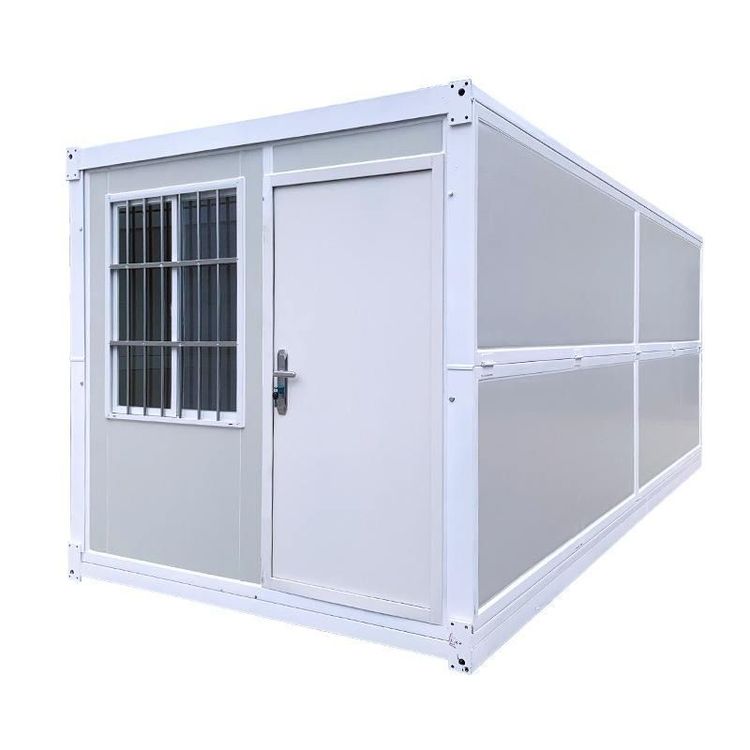
- Raw Material Costs: Using second-hand containers can keep costs relatively low. For example, a 3×6-meter container may cost around 10,000 yuan each and can be customized according to buyer needs. However, pursuing higher quality and performance by using high-strength galvanized steel and fire-resistant sandwich panels will increase costs. For instance, products from Zhejiang Hangxing Green Building Materials Technology Co., Ltd., which use high-quality materials, have unit prices ranging from 8,000 to 15,000 yuan for their basic models (6 - 12㎡), with higher prices for their mid-range series.
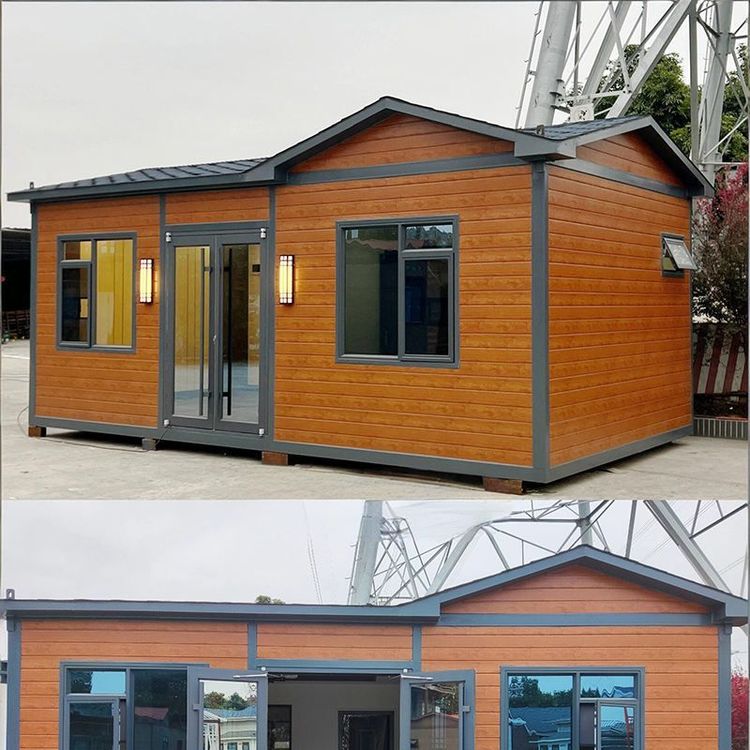
- Modification and Processing Costs: These include interior decoration, plumbing and electrical installations, and thermal insulation treatments. For example, using rock wool + extruded polystyrene board double-layer composite walls, combined with thermal break aluminum windows and doors for thermal insulation, will increase costs but enhance the comfort and suitability of the house.
- Transportation Costs: Container houses are typically prefabricated in factories and then transported to the site for installation. Factors such as transportation distance, house size, and weight will affect transportation costs.
- Other Costs: These include design fees, approval process fees, installation fees, and after-sales maintenance fees.
Selling Price Aspect
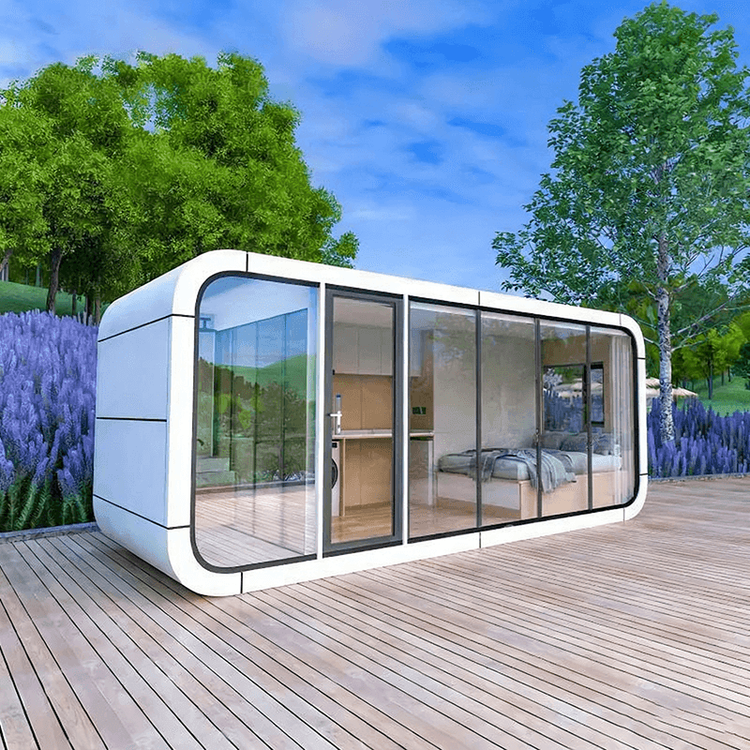
- Significant Price Differences Based on Configuration and Specifications: Basic container houses have relatively lower prices, while customized products with features such as smart home integration and personalized decorative panels have higher prices. For example, Rongda Internet-famous Container Houses, known for their structural safety, thermal insulation, and high-end customization, offer varying prices based on configurations despite eliminating intermediaries as a source manufacturer.
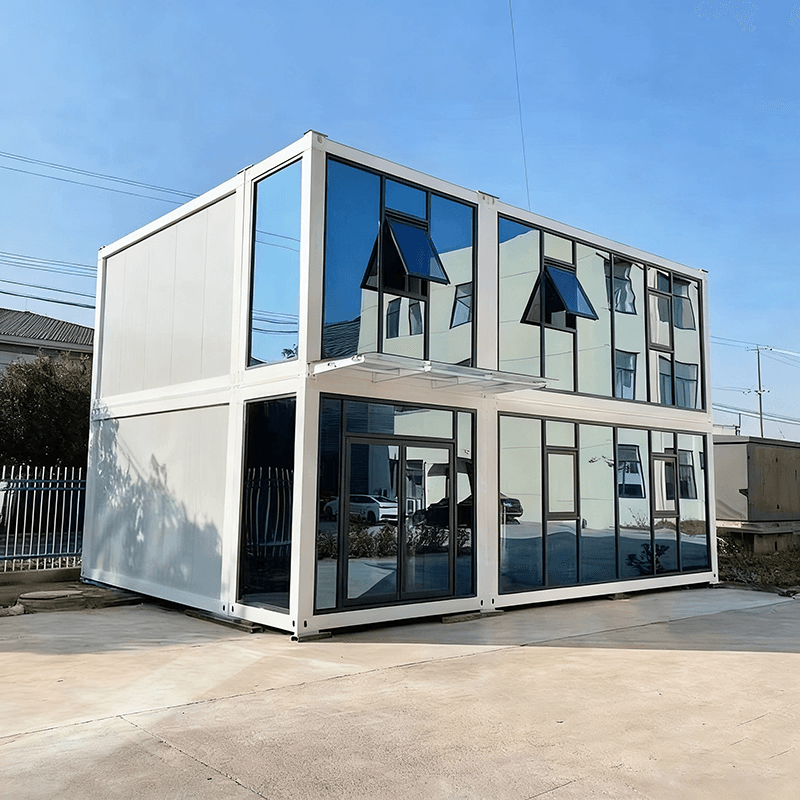
- Market Positioning Affects Selling Prices: Container houses targeted at the high-end market, such as those used in cultural tourism industries and commercial districts, have higher selling prices. In contrast, products aimed at temporary accommodations on construction sites have relatively lower prices.
Market Demand and Competition
- Strong Market Demand: With the acceleration of urbanization and the pursuit of environmentally friendly lifestyles, container houses have broad application prospects in tourism, temporary accommodations, post-disaster reconstruction, and other fields. The growing market demand provides space for profit enhancement.
- Increasing Competition: The number of container manufacturers at home and abroad continues to rise, leading to intense market competition. To stand out in the competition, it is necessary to continuously improve product quality and service levels, reasonably control costs, and formulate scientific and reasonable marketing strategies to achieve higher profits.
Related