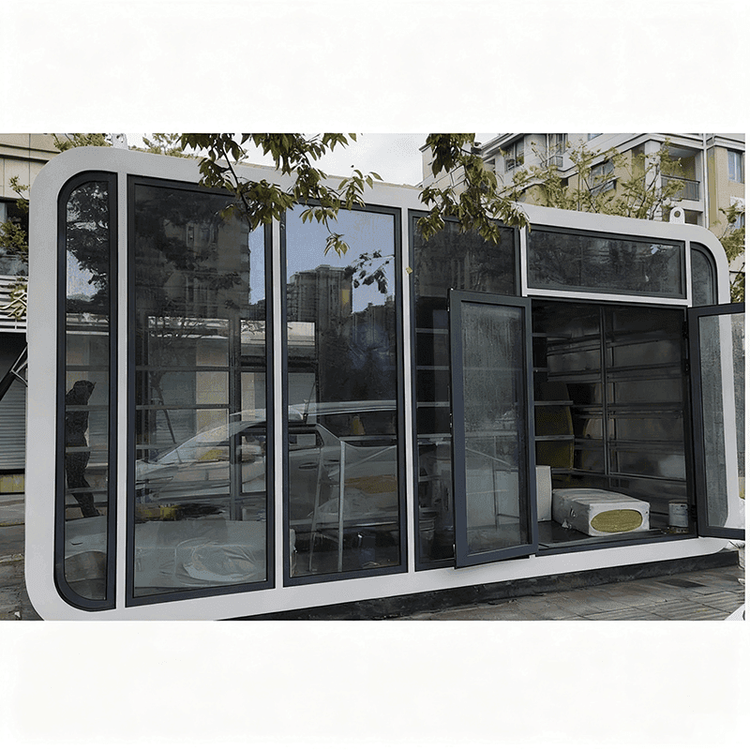
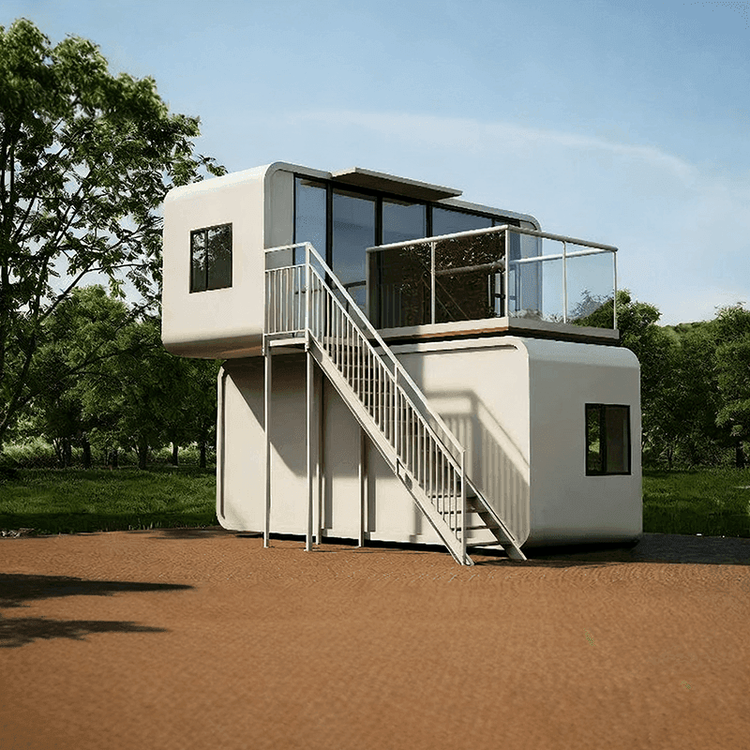
Reimbursement for Procurement of Mobile Toilets
Reimbursement for the procurement of mobile toilets should be approached from two aspects: compliance with project procurement procedures and accuracy in accounting treatment, as detailed below:

I. Compliance in Project Procurement Procedures
Confirmation of Project Information
It is essential to clarify the project number, name, and budget amount for procurement. For example, the mobile toilet procurement project by Qinghai Fengye Engineering Project Management Co., Ltd. has the project number 'Qinghai Fengye Competitive Negotiation (Goods) 2025-035', with a budget of 720,000 yuan for the purchase of four mobile toilets. Another project, numbered '310104000260302184598-04324513', for the acquisition of mobile public toilets, has a winning bid amount of 1.75 million yuan. The budget amount must align with the actual procurement amount to avoid the risk of overspending.Supplier Qualification Review
Suppliers must meet the requirements of Article 22 of the Government Procurement Law and provide materials such as a business license, financial status report, and no record of dishonesty. Key points include:
- No direct holding or management relationship with the unit's responsible person;
- No involvement in preliminary project design, supervision, or other services;
- No acceptance of joint venture negotiations.
Failure to pass the qualification review will render the procurement invalid, necessitating a re-tender.
- Document Acquisition and Response Submission
Procurement documents are typically acquired online through designated platforms (such as Zhengcaiyun) and must be completed within the specified timeframe. For instance, the Qinghai Fengye project requires suppliers to acquire documents from October 14 to 21, 2025, with a response submission deadline of 09:30 on October 27. Late submissions or incorrect document formats will be deemed invalid responses.
II. Accuracy in Accounting Treatment
Selection of Accounting Categories
Although mobile toilets are not permanent structures, they have a lifespan exceeding one year and a relatively high unit value (e.g., 1,100 yuan per unit or a total value of 10,000 yuan), meeting the definition of fixed assets. They should be recorded under the 'Fixed Assets' category rather than as low-value consumables or expense items. For example, an enterprise purchasing three mobile restrooms for a total of 3,300 yuan directly records them as fixed assets; similarly, a company purchasing mobile toilets worth 10,000 yuan also treats them as fixed assets.Depreciation Category and Lifespan
Fixed assets must be depreciated by category. The actual usage function of mobile toilets is closer to that of tools or furniture, so it is recommended to depreciate them under the 'Tools and Furniture' category, typically with a shorter depreciation lifespan (e.g., five years) to match their rate of wear and tear. For example, a mobile toilet worth 10,000 yuan, when recorded as a fixed asset, can more accurately reflect asset value consumption when depreciated under the tools and furniture category.Requirements for Reimbursement Vouchers
Complete vouchers must be provided for reimbursement, including the procurement contract, invoice, acceptance certificate, and bank payment record. The contract must specify the quantity, unit price, total price, and delivery terms; the invoice must match the contract amount; and the acceptance certificate must be signed by the using department. If an advance payment is involved, an advance payment application and subsequent settlement vouchers must be attached.