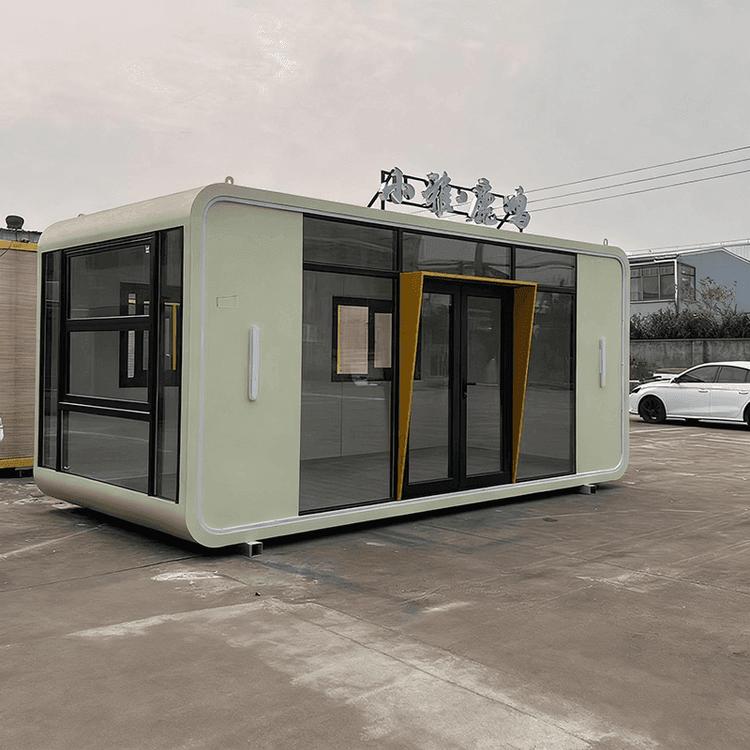
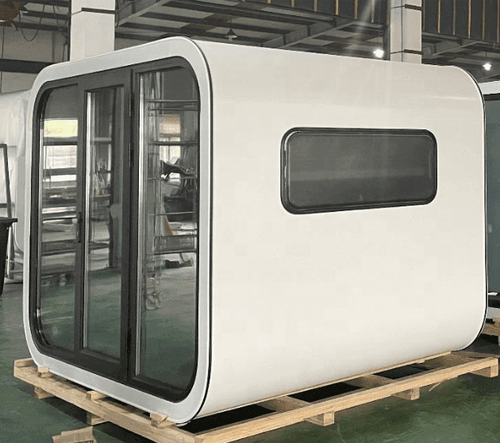
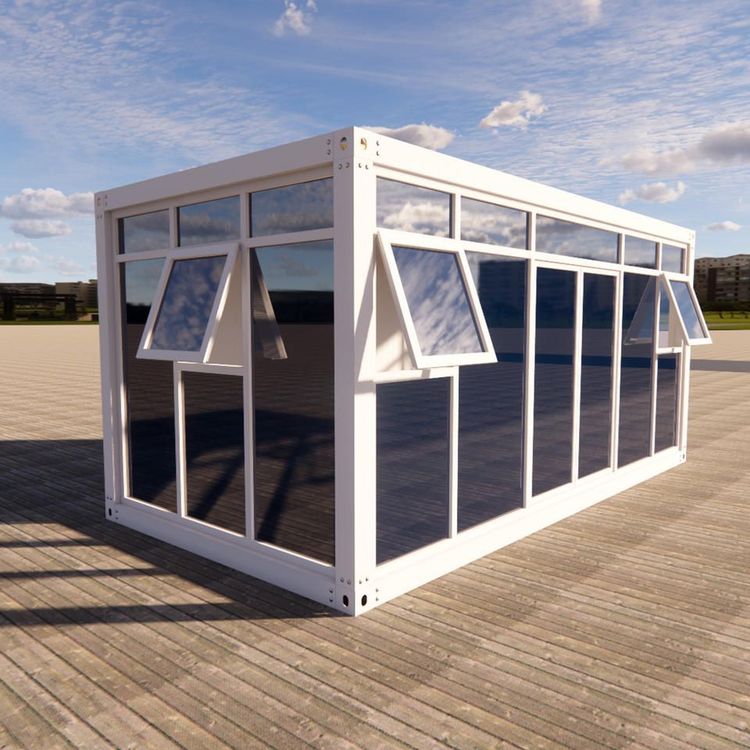
Processing Container Mobile Toilet
Processing container mobile toilets involve transforming standard containers into movable sanitation facilities, encompassing structural design, functional customization, production, transportation, and on-site installation.
1. Structure and Materials
The frame of container mobile toilets typically employs welded steel structures, ensuring overall strength and stability. The surface undergoes anti-corrosion treatment to extend service life. Wall panels are made of insulated sandwich panels, offering both thermal insulation and soundproofing properties. These materials are recyclable and degradable, meeting environmental requirements. Some models incorporate wet microbial treatment technology, achieving sewage purification through biological degradation. The treated water quality can reach reclaimed water standards, suitable for recycling applications.
2. Customized Design
Enterprises can flexibly adjust plans based on actual needs:
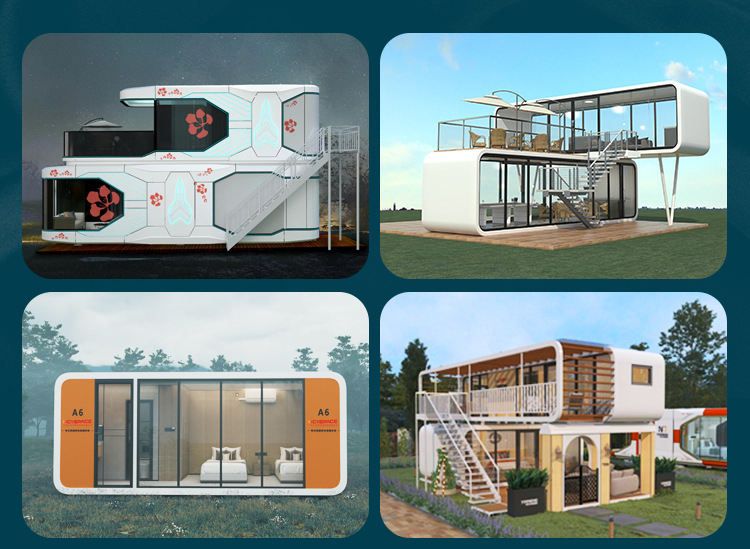
- Size and Layout: Supports customization of non-standard sizes to optimize internal space utilization;
- Door and Window Configuration: Allows free design of door and window positions and opening methods (e.g., casement, sliding), balancing ventilation and privacy;
- Electrical System: Pre-installed sockets, lighting, and air conditioning circuits, supporting the addition of inverter air conditioners and other equipment to enhance comfort;
- Appearance Branding: Provides color spraying and brand logo customization services to meet personalized needs.
3. Production and Transportation
The production cycle generally ranges from 7 to 15 days, depending on the complexity of the plan. Finished products are transported in integral or modular forms, with modular design facilitating split transportation and adaptation to narrow sites. Internal pre-assembly is completed before transportation to reduce on-site construction time.
4. On-Site Installation and Use
Installation conditions are simple, requiring only a level foundation for deployment via lifting or assembly. After connecting to water and electricity supplies, the facilities can be put into use without complex civil engineering. Basic configurations include lighting systems, sockets, distribution boxes, exhaust fans, etc. Optional upgrades such as inverter air conditioners and smart sensing devices are available to adapt to different climates and usage scenarios.
These facilities are widely used in temporary events, post-disaster reconstruction, tourist attractions, and other scenarios due to their rapid deployment, environmental protection, energy efficiency, and flexible customization, making them an important choice for modern mobile sanitation solutions.