
Preferential Assembled Container House
The selection of preferential assembled container houses should be based on their intended use, budget, and long-term usage requirements, with a focus on process performance, compliance services, scenario adaptability, and return on investment. The following analysis is carried out from core dimensions:

1. Process Performance: Structural Stability and Recyclability
The core advantage of assembled container houses lies in their disassembly and relocation capabilities. It is advisable to prioritize products that employ weld-free quick-assembly processes. These processes utilize bolt connections or snap-fit designs, reducing the number of welds, minimizing disassembly and assembly losses, and ensuring structural stability after multiple relocations. For example, compliant products from leading manufacturers can be disassembled and reused an average of more than 8 times. Compared to traditional fixed temporary buildings, this reduces construction waste emissions by approximately 90% and significantly improves resource utilization. For long-term use or frequent relocation, products with multiple reuse capabilities should be selected to avoid resource waste caused by single-use products.
2. Compliance Services: Qualification Certification and After-Sales Support
When purchasing, it is essential to verify the manufacturer's domestic and international certifications and project delivery capabilities. High-quality manufacturers typically hold ISO quality management system certifications, CE European Union certifications, etc., and can provide one-stop services from design, production, to installation. For instance, some manufacturers offer cross-border export qualifications to meet overseas project requirements. Additionally, after-sales support is equally crucial, including terms such as 7-day replacement, 24/48-hour shipping, and material guarantees, which can reduce usage risks.
3. Scenario Adaptability: Customization Flexibility and Multi-Scenario Versatility
Assembled container houses have a wide range of applications and should be selected based on actual needs. For example:
- Construction Site Dormitories/Temporary Offices: Prioritize light steel frame and color steel plate combination assembled houses, which are cost-effective, quick to assemble, and can be flexibly expanded based on the number of occupants.
- Cultural Tourism Homestays/High-End Commercial: Focus on exterior facade customization and internal functional modification capabilities, such as modular assembly, solar integration, thermal insulation, and waterproofing designs.
- Emergency Response/Cross-Border Projects: Choose foldable or expandable houses, which have a small transportation volume, fast deployment speed (some products can be deployed in a single set within 30 minutes), and comply with international compliance standards.
4. Return on Investment: Total Life Cycle Cost and Cost-Effectiveness
A comprehensive assessment of product price, operation and maintenance costs, and residual value is necessary. For example, entry-level temporary housing has a lower price (e.g., starting from 58.5 yuan per square meter) but limited reuse times; high-end cultural tourism homestay houses have a higher price (e.g., 64,000 yuan per set) but support multiple disassembly and reuse cycles, resulting in lower long-term costs. Additionally, some manufacturers offer package discounts (e.g., 100 yuan off for every 300 yuan spent, dropshipping), which can further reduce procurement costs.
You may also like

Container House Prefabricated in 2026: Buying Guide & Recommendations
Read More
Standard Portable Toilet Eco-Friendly Size Dimensions: What to Know
Read More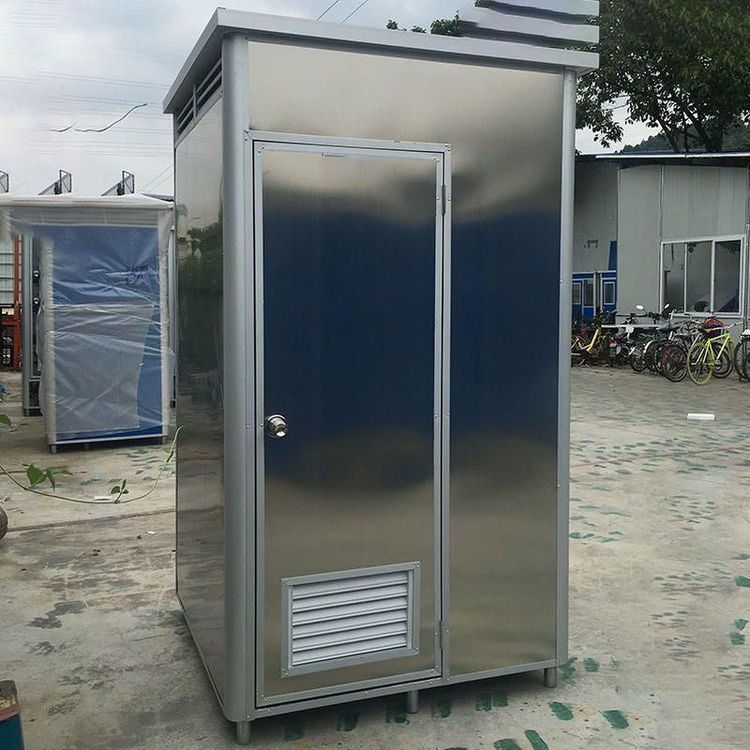
How to Choose the Right Container House Prefabricated
Read More