Prefabricated Structural Housing
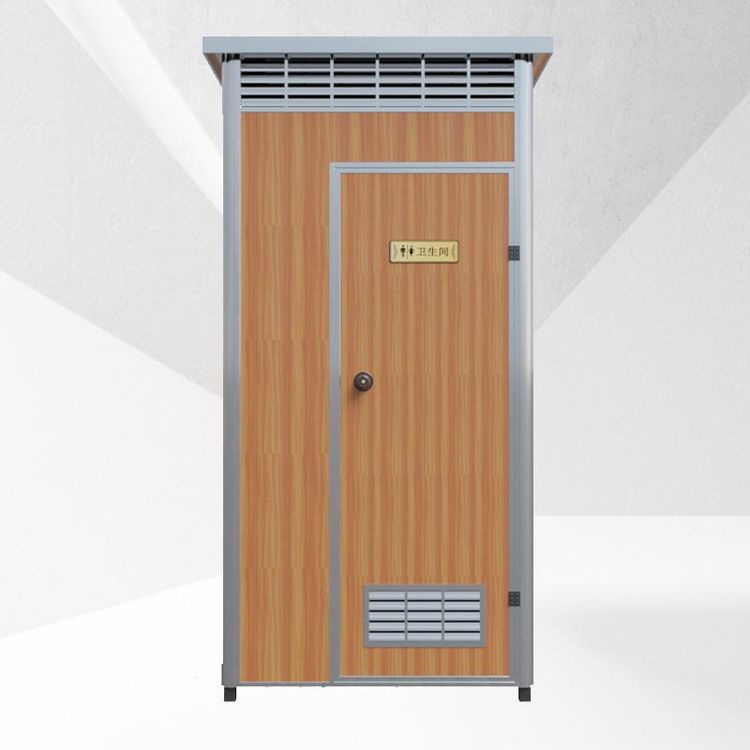
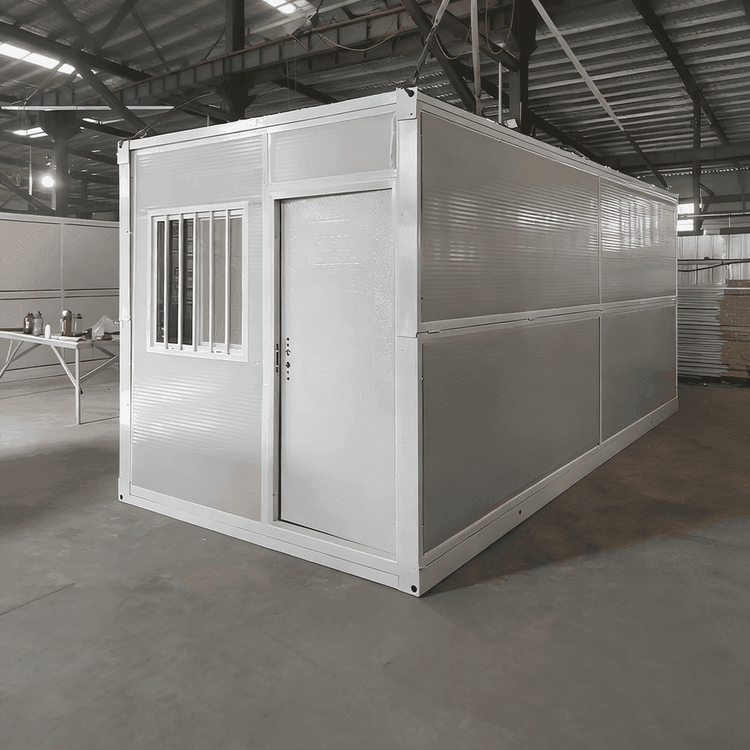
Prefabricated structural housing is a form of construction that uses industrially produced building components assembled on-site, with modular construction being a more integrated model. China's prefabricated concrete technology has evolved over time, and Chinese-made prefabricated houses are now selling well overseas.
Definition and Types of Prefabricated Structural Housing
Prefabricated structural housing, also known as prefabricated assembled buildings, involves the industrial production of building components such as beams, slabs, walls, and columns, which are then assembled on-site. The main types include panel-assembled, box-assembled, and frame-assembled structures. The technology encompasses both prefabricated concrete and steel structures, offering significant advantages such as shortened construction periods and reduced pollution.
Characteristics of Modular Construction
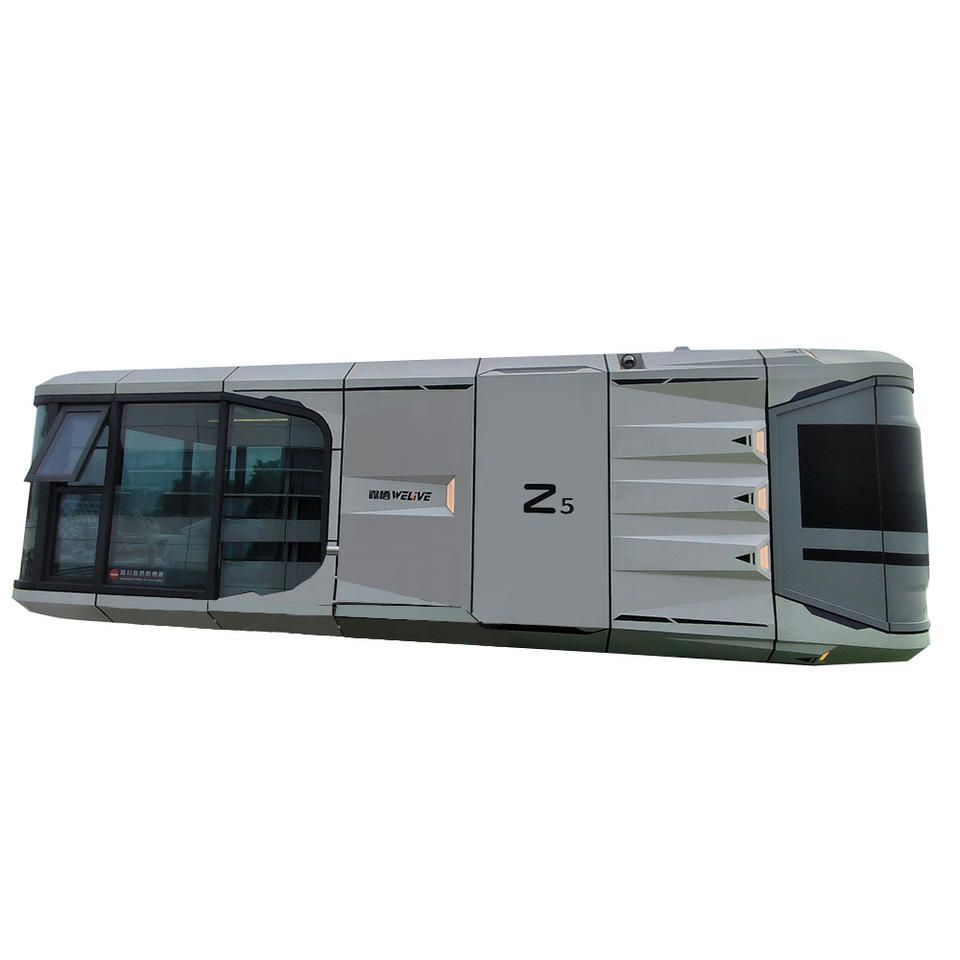
Modular construction represents a more integrated model within prefabricated assembled buildings. It involves breaking down a building into independent modules that are manufactured in a factory, including ceilings, floors, and all plumbing and electrical systems, and then transported to the construction site for assembly. Compared to traditional construction methods, modular construction offers advantages such as shorter construction periods, controlled quality, energy efficiency, environmental friendliness, and ease of maintenance. However, this model places extremely high demands on the industrial base, requiring a well-developed technological system, production system, and industrial cluster support.
Development History of China's Prefabricated Concrete Technology
China's prefabricated concrete technology began in the 1950s, initially applied in factory and residential construction. In the 1970s, driven by the policy of "three modernizations" in construction, technical systems such as large-panel structures and box structures were formed. By the mid-1980s, the technology stagnated due to cost and quality issues. In the 21st century, with the prominence of production efficiency and environmental advantages, the technology has recovered. Companies like Vanke Group have developed prefabricated shear wall residential structural systems and applied prefabricated frame technology in projects, such as the Nanjing Jindi Yufang project, which adopted a prestressed prefabricated concrete assembled integral frame structural system.
Market Performance of Chinese-Made Prefabricated Houses
Chinese-made prefabricated houses have performed exceptionally well in overseas markets. According to customs data, in the first four months of 2026, the Guangzhou Customs District exported 1.4 billion yuan worth of mobile houses, a year-on-year increase of 38.1%. China breaks down reinforced concrete houses into modules, produces them through assembly-line operations, and packages them into oversized parcels for shipment abroad. Upon arrival, they can be assembled like building blocks, with simple treatment of the connecting areas for occupancy. A complete house can be delivered to your doorstep for as little as 200,000 RMB.