Prefabricated Steel Structure Assembly House
Prefabricated steel structure assembly houses are a type of prefabricated building that uses steel structure technology, with building components produced industrially and assembled on-site. The following is an introduction to their technical system, advantages, applications, and development:

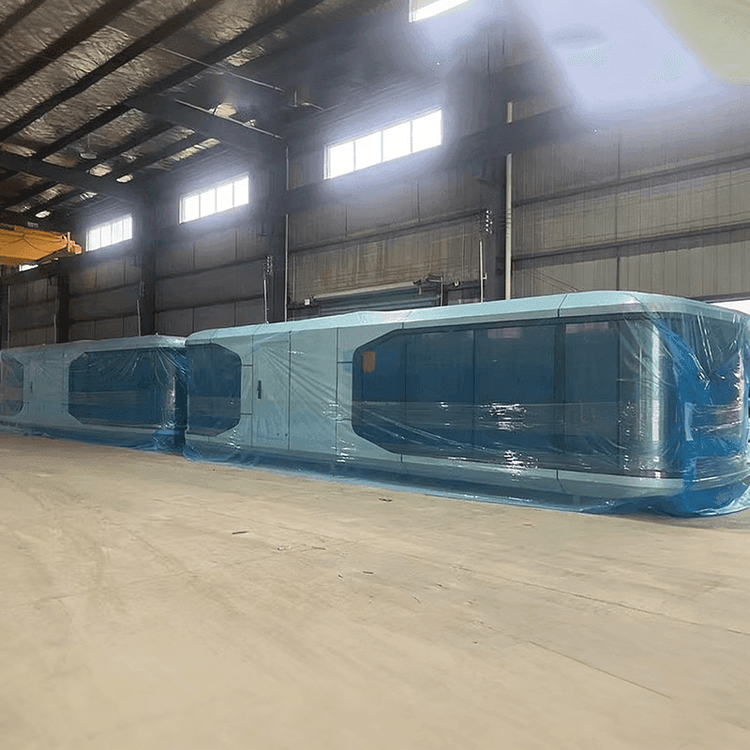
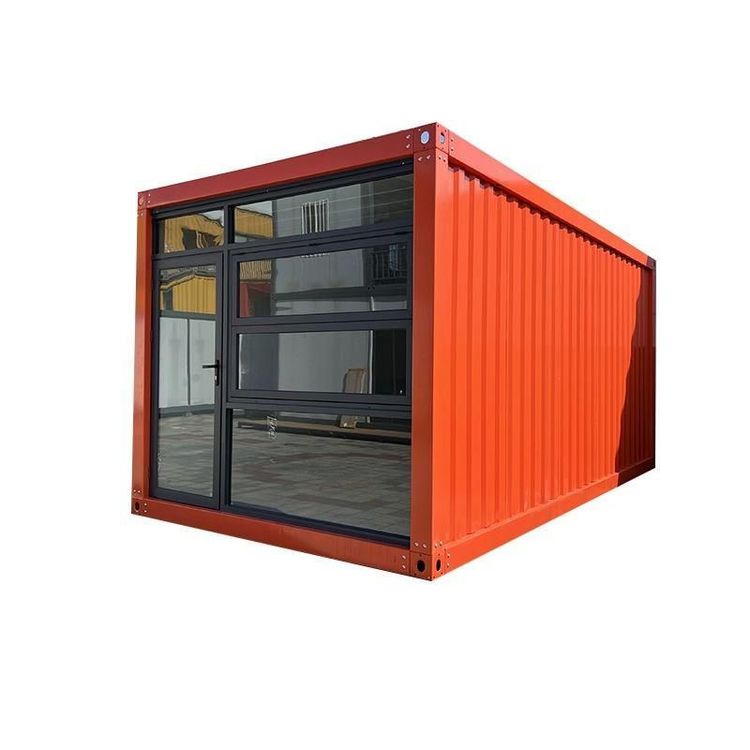
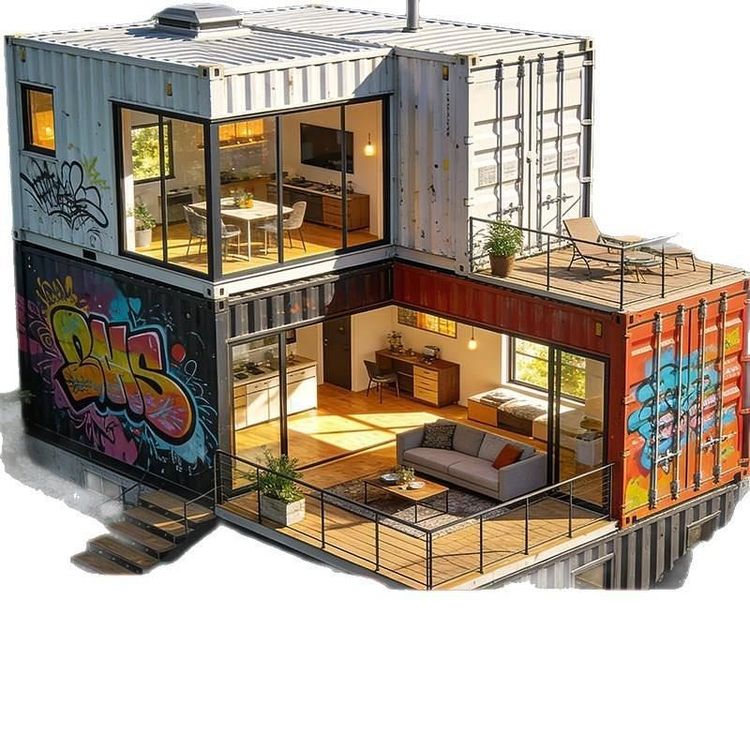
Technical System: Centered around prefabricated steel structures, it includes prefabricated components such as beams, slabs, walls, and columns, adopting a standardized design, factory-based production, and assembly construction model. For example, the earthquake-recoverable, quickly assembled, multi-story prefabricated steel structure system consists of a steel frame-bracing structure, steel-ribbed prestressed concrete composite slabs, and sandwich concrete composite exterior wall panels. The prefabrication and assembly rate can exceed 90%, with components connected by bolts for rapid assembly.
Core Advantages:
- High Construction Efficiency: Construction periods are 50%-70% shorter than those of traditional buildings. For instance, box-type prefabrication significantly speeds up construction through the combination of prefabricated functional units; the earthquake-recoverable system achieves an exterior wall panel installation speed of 10 minutes per panel, with bolt-connected nodes simplifying the installation process.
- Strong Environmental Performance: Reduces construction waste by over 70%, aligning with green and sustainable development concepts. The sandwich concrete composite exterior wall panel weighs only 140 kg per square meter, with thermal insulation performance reaching 85% of energy-saving standards. Its lightweight and high-strength characteristics reduce transportation energy consumption.
- High Earthquake Resistance and Recoverability: Utilizes replaceable buckling-restrained beam-column joints and energy-dissipating elements, allowing for quick functional recovery after an earthquake by simply replacing damaged components. This results in short repair times and low costs, making it suitable for high-intensity earthquake zones.
- Significant Economic Benefits: Lower production costs, with the steel-ribbed prestressed concrete composite slab being easy to transport and requiring no temporary supports during construction, reducing measures costs; modular design reduces on-site labor requirements, offering clear overall cost advantages.
Application Cases: A two-story prefabricated steel structure villa in Tangshan City, Hebei Province, adopts a concealed steel frame slab structure system, achieving wall-column-beam integration, with a design service life of 50 years and an earthquake resistance intensity of 8 degrees; the Nanjing Jindi Yufang project applies a prestressed prefabricated concrete assembled integral frame structure system; American mobile homes serve as an advanced example, with each unit transportable like a trailer and quickly connectable to water and electricity systems.
Policies and Market: At the policy level, by 2025, the proportion of newly started prefabricated buildings in Hainan Province will reach 80%, and starting from 2026, 100% of residential land sold in Guangzhou will implement prefabricated buildings; at the market level, Chinese-made prefabricated houses are selling well overseas, with Guangzhou Customs reporting exports of mobile homes worth 1.4 billion yuan in the first four months of 2026, a year-on-year increase of 38.1%, indicating strong international market demand.