Prefabricated Slab Building Construction
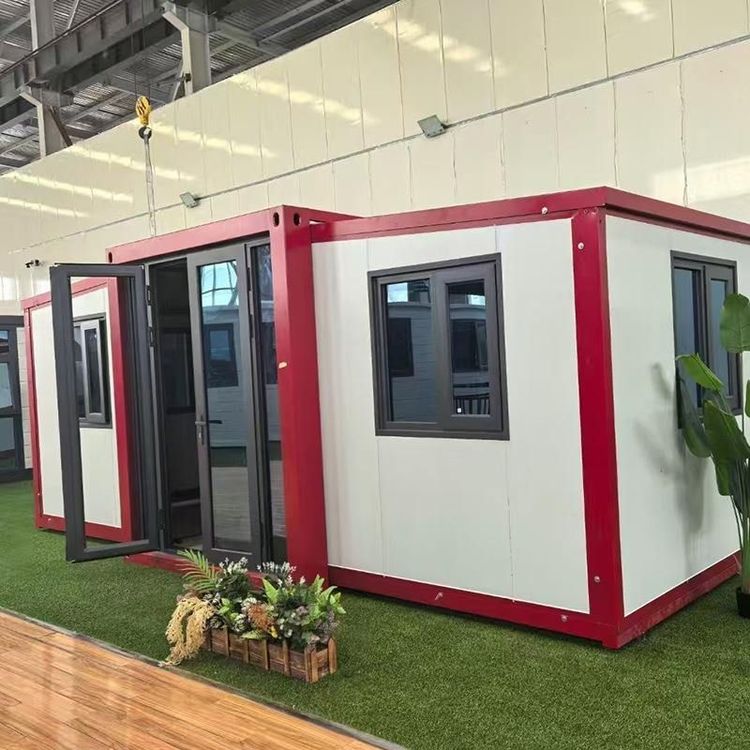
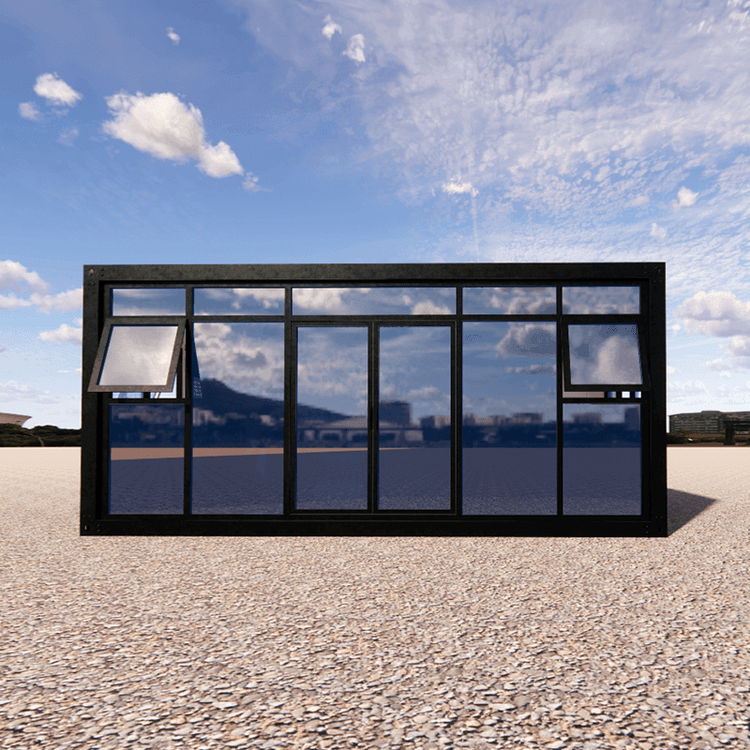
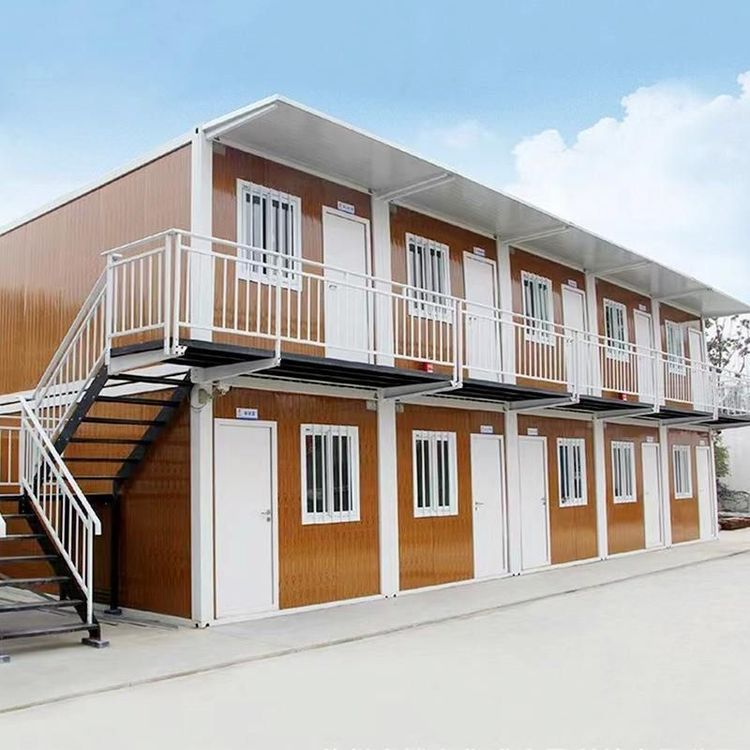
Prefabricated slab building construction employs modular construction methods and prefabricated slab manufacturing technology, offering advantages such as short construction periods and controllable quality, but it also has issues like weak earthquake resistance and poor sound and thermal insulation.

Modular Construction Method
Modular construction breaks down a building into independent modules, which are manufactured in a factory and then transported to the construction site for assembly. The ceiling, floor, plumbing, and electrical systems of the house are all prefabricated on the factory assembly line and then transported to the site for assembly like building blocks. For example, at the China Construction Hailong Intelligent Construction Industrial Park in Shenzhen, Guangdong, the ceiling, walls, and waterproof layers of bathrooms are all manufactured in the factory and then assembled through highly automated processes. This construction method can shorten the construction period by more than 60% and significantly reduce on-site labor. For instance, a public housing project in Shenzhen, Guangdong, was assembled from 6,028 concrete modules, with the completion and delivery period reduced from 2.5 to 3 years to just 1 year, and on-site labor reduced by about 50%.
Prefabricated Slab Manufacturing
Prefabricated slabs are factory-made cement components formed by nailing wooden models, laying steel bars, and pouring cement. They come in two types: solid and hollow. The hollow structure achieves lightweighting by reducing the non-load-bearing concrete. During manufacturing, the "pre-tensioning" process is used, which enhances the tensile strength of the prefabricated slabs through prestressing technology. For example, workers first lay a layer of cement, then insert a large foam board (for lightweight design and sound insulation), fix the connections with iron hooks, pour concrete, and use a vibrating rod to remove air bubbles and prevent cracking.
Construction Advantages
Compared to traditional construction methods, modular construction and prefabricated slab construction offer advantages such as short construction periods, controllable quality, energy efficiency, environmental protection, and ease of maintenance. Prefabricated buildings (using modular factory-prefabricated components) have construction periods that are 30% shorter than traditional methods.
Existing Issues
Existing prefabricated slab houses generally have issues such as weak earthquake resistance and poor sound and thermal insulation, with a service life of about 30 to 50 years. These problems limit the application of prefabricated slab houses in scenarios with high building quality requirements, necessitating continuous technological improvements to enhance their performance.