Back to blog
Article
Prefabricated Scenic Area Housing
Admin September 17, 2026
Prefabricated scenic area housing is an integrated accommodation unit produced in factories and quickly installed on-site, suitable for cultural and tourism campsites, scenic area homestays, and other scenarios, but strict adherence to land use approval regulations is required.
I. Types and Characteristics of Prefabricated Scenic Area Housing
- Light Steel Structure Houses: For example, the light steel villas produced by Foshan Huagewanshun Building Materials Co., Ltd. use steel structures as the framework, are prefabricated in factories, and assembled on-site, featuring earthquake resistance, environmental friendliness, and short construction periods.
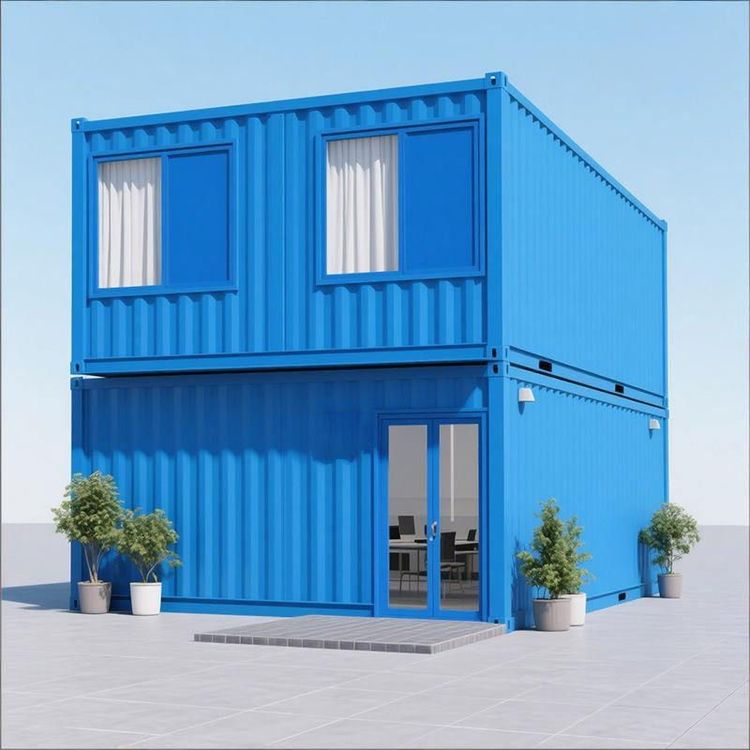
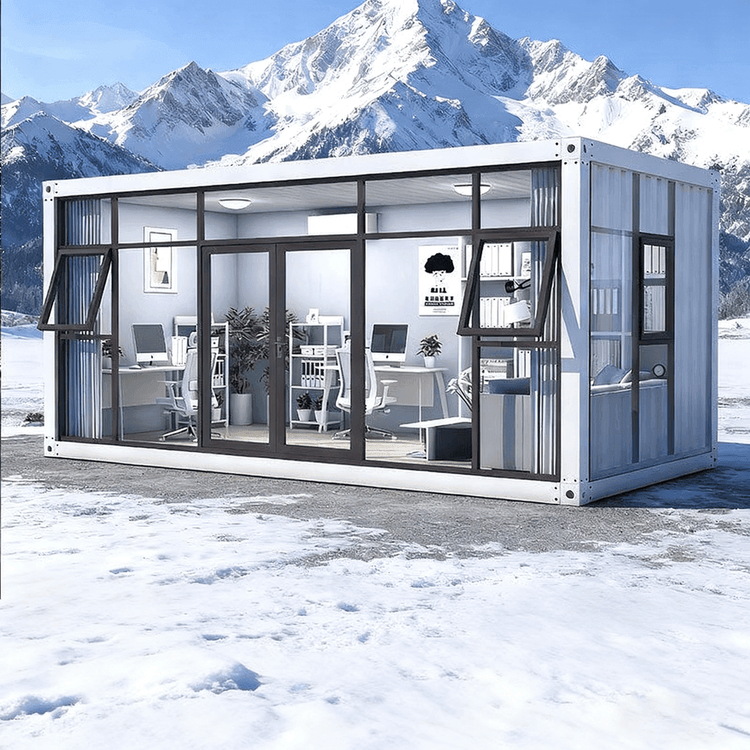
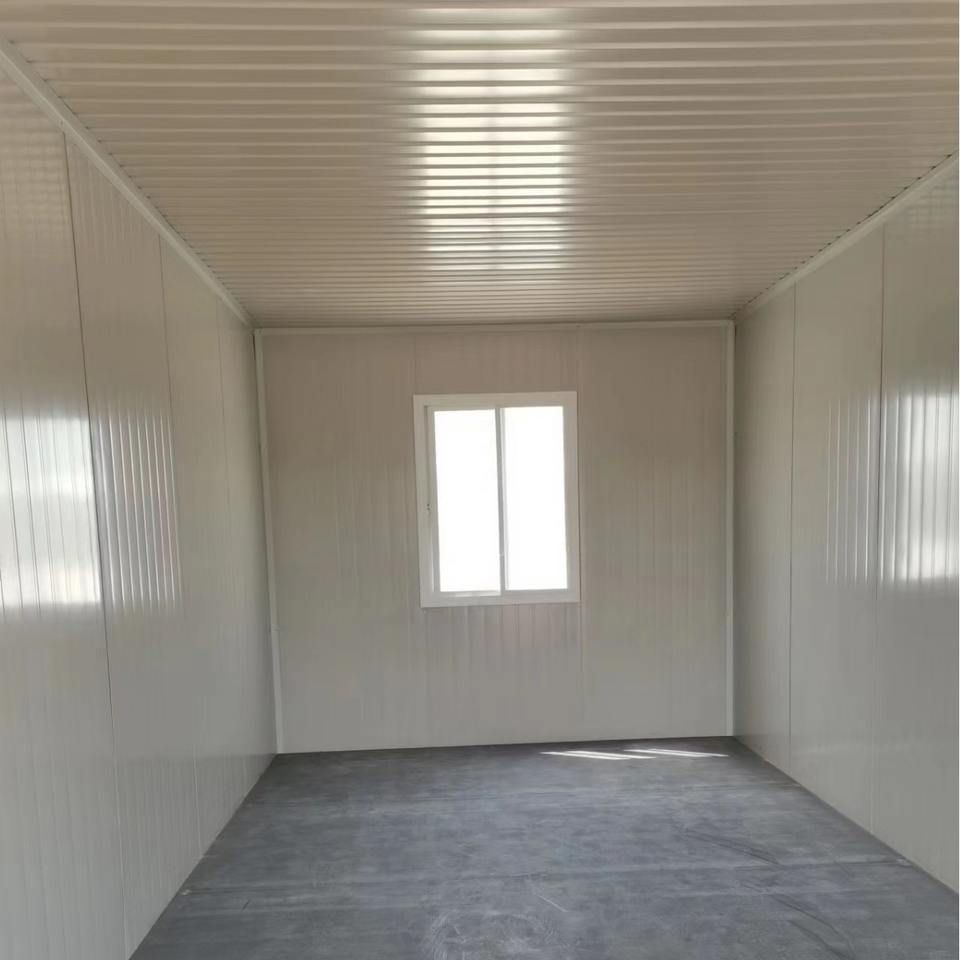
- Mobile Container Houses: The prefabricated container housing from Weifang Wanlong Integrated Housing Factory in Shandong adopts a modular design, allows for quick on-site installation, and can be flexibly relocated; the "Apple Pod" by Taian Zhishang Jingyi in Shandong is a popular container homestay with a rounded appearance, suitable for the landscape needs of scenic areas.
- Light Steel Integrated Houses: Products from the Green Building Dream brand in Guilin, Guangxi, are factory-prefabricated wooden-textured mobile panel houses that combine aesthetics and practicality, suitable for scenic area homestay scenarios.
- New Chinese-style Steel Structure Mobile Houses: The Future Pod produced by a manufacturer in Suifenhe, Harbin, Heilongjiang, integrates traditional architectural styles with modern steel structure technology to meet the cultural and characteristic needs of scenic areas.
- Double-Decker Apple Pods: These use steel structure frameworks, are covered with metal or composite materials on the exterior, and have integrated insulation and water-electricity systems inside. They are prefabricated in factories and transported as a whole. Their double-decker structure improves space utilization, the circular appearance reduces wind resistance, and their sealing and insulation performance are superior to traditional buildings. They are equipped with air conditioning, bathrooms, and other facilities for long-term residence.
II. Key Considerations for Land Use Approval
- Land Nature Cannot Be Ignored: Although mobile homestays can be relocated, the planned land use (such as agricultural land, forest land, ecological protection zones) does not change with the movement of the houses. The identity of the land plot must be strictly confirmed.
- Three-Step Confirmation for Compliant Land Use:
- Check the planned land use and land type (at the county natural resources department or township office);
- Confirm whether it encroaches on the "Three Zones and Three Lines" (ecological protection red lines, permanent basic farmland, and urban development boundaries);
- Check whether it involves overlapping protected areas such as nature reserves and scenic spots.
- Common Misconceptions to Avoid:
- Facility agricultural land ≠ homestay land;
- Mobile ≠ approval-free;
- Excavating forest land or cultivated land is illegal;
- A legal contract ≠ compliant land use;
- Compliant land use and business licenses need to be handled separately.
Related