
Prefabricated Rubber House
Currently, the concept of a 'prefabricated rubber house' has not yet matured, but specific functional modules can be achieved through the combination of rubber materials and prefabricated building technology, with a clear understanding of its non-load-bearing properties and applicable scenarios.
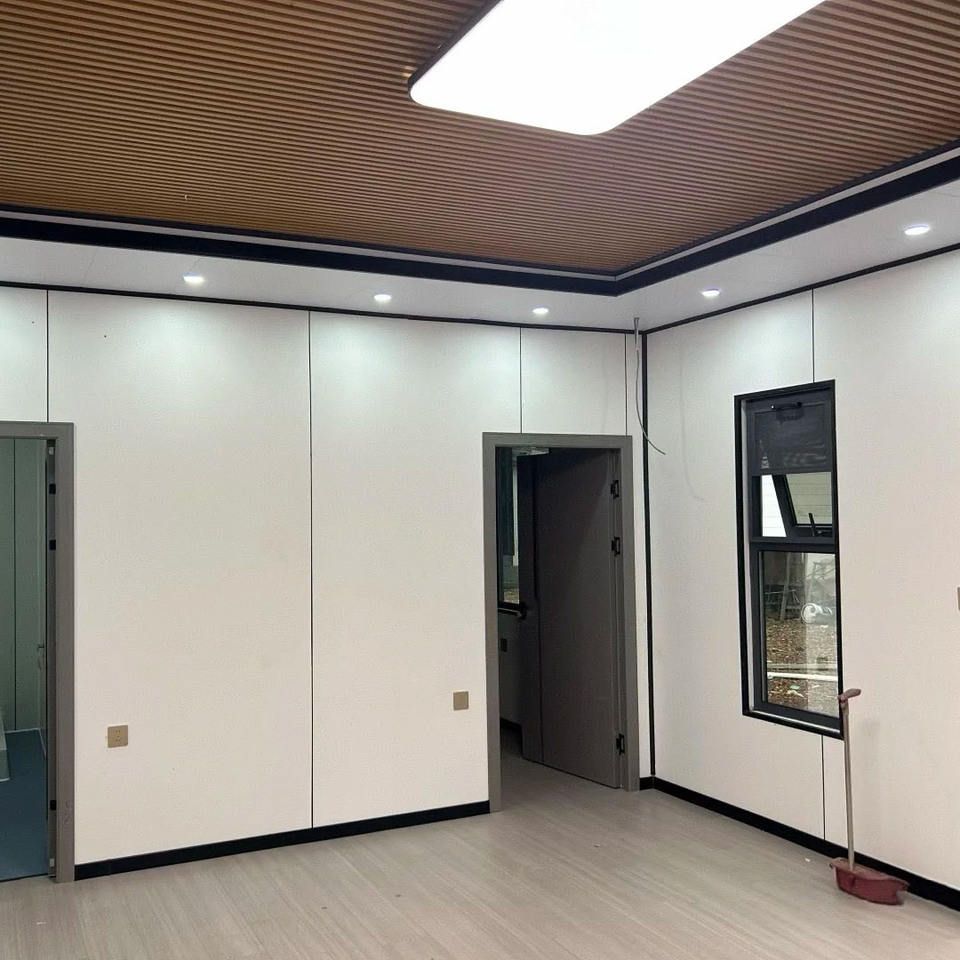
I. Core Models and Advantages of Prefabricated Buildings
Prefabricated buildings (modular buildings) are produced through standardized factory production of independent unit modules (such as floor slabs and wall panels), which are then transported to the site for assembly. Their core advantages include:
- Short construction period: Processes such as water and electricity installation and interior decoration are completed in the factory, with only assembly required on-site, reducing the construction period by more than 50%. For example, modular houses exported from Dongguan Port in Guangdong Province undergo full-process decoration in the factory and are put into use directly upon arrival.
- Controllable quality: The factory environment avoids on-site construction errors, with module dimensions achieving millimeter-level precision, and material properties (such as concrete strength) passing standardized testing.
- Environmental protection and energy efficiency: Wet operations (such as concrete pouring) on-site are reduced, lowering dust and noise pollution, while modules can be disassembled and reused, aligning with green building trends.
II. Functional Positioning of Rubber Materials in Buildings
Due to their physical properties (high elasticity, aging resistance, thermoplasticity), rubber materials are primarily used as auxiliary functional layers in buildings rather than load-bearing structures:
- Waterproof layer: EPDM rubber waterproof membranes form a continuous sealed layer through hot-melt welding, with resistance to ultraviolet light and chemical corrosion, and a lifespan of over 25 years. They are widely used in areas such as roofs and basements. These membranes support factory prefabrication and can be integrated with the waterproofing needs of prefabricated modules.
- Shock absorption layer: Rubber plates absorb seismic energy through elastic deformation, reducing structural vibration response. For example, laying rubber isolation bearings at the bottom of prefabricated modules can enhance building seismic performance.
- Sound insulation layer: The porous structure of rubber can block sound wave propagation, making it suitable for sound insulation filling in prefabricated wall panels or floor slabs.
III. Potential Implementation Paths for 'Prefabricated Rubber Houses'
If rubber materials are combined with prefabricated buildings, the following principles should be followed:
- Functional composite design: Rubber can serve as an auxiliary layer for prefabricated modules (such as waterproof modules or shock absorption modules), but must be used in conjunction with load-bearing materials such as concrete and steel. For example, an EPDM rubber waterproof layer can be compounded on the outer layer of a prefabricated concrete wall panel to achieve structural and waterproof integration.
- Scenario adaptability:
- Temporary buildings: The lightweight and weather resistance of rubber make it suitable for rapidly constructed temporary housing (such as post-disaster relief housing), but the connection strength between modules needs to be addressed.
- Buildings for special environments: In high-humidity and strong-vibration areas (such as coastal data centers), rubber modules can provide dual protection against waterproofing and shock absorption.
- Technical challenges: The bonding process between rubber and prefabricated structures, as well as long-term durability (such as ultraviolet aging), require further verification, and there are currently no mature standards.
Summary: Currently, the 'prefabricated rubber house' is closer to the conceptual stage. Its realization requires building on prefabricated building technology and meeting specific needs through the functionalized composite of rubber materials. It may find applications in temporary buildings or special environmental scenarios in the future, but breakthroughs are needed in the collaborative design of materials and structures.



