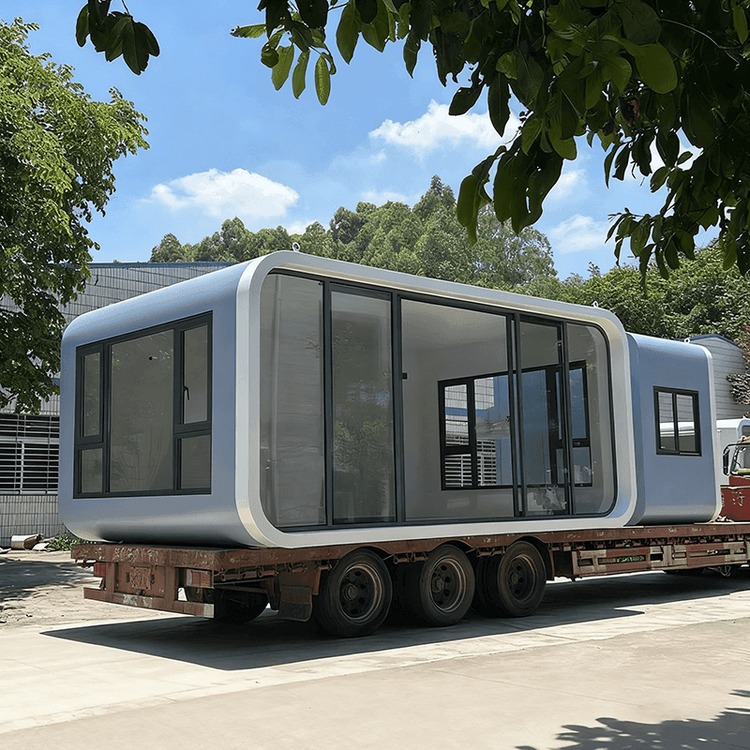
Prefabricated Residential Buildings
Prefabricated residential buildings are a form of construction where building components are industrially produced and assembled on-site, with modular construction being a more integrated model. The following provides an introduction from the perspectives of construction methods, advantages, application scenarios, market conditions, and limitations.
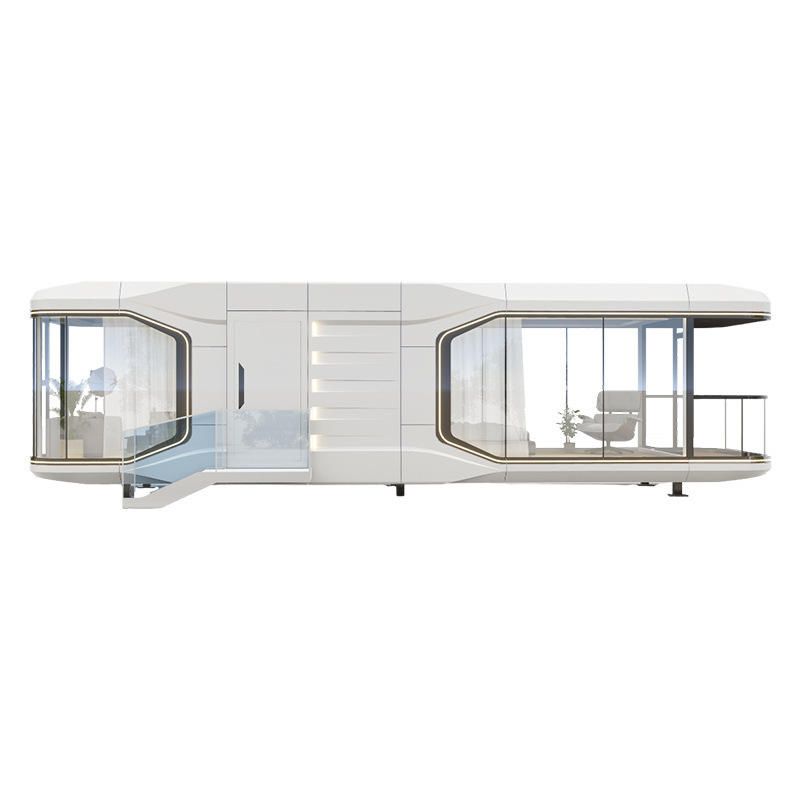
Construction Methods: The building is broken down into independent modules. All components, including ceilings, floors, plumbing and electrical systems, and bathroom waterproofing layers, are prefabricated in a factory and then transported to the construction site for assembly, much like building with blocks.
Construction Advantages:
- Short Construction Period: Compared to traditional construction methods, the construction period can be shortened by more than 60%. For example, in a public housing project in Shenzhen, Guangdong, the completion and delivery time was reduced from 2.5 to 3 years to just 1 year.
- Quality Control: Errors and precision are controlled in millimeters, ensuring quality does not rely on the skill of workers. There is little variation in quality between different rooms in the same building.
- Energy Efficiency and Environmental Protection: Parallel operations in factories, utilizing automated vertical warehouses and intelligent production lines, reduce noise, dust, construction waste, and traffic congestion at construction sites. For instance, in Fujian Province and other regions, construction waste has been reduced by more than 70%.
- Easy Maintenance: Regular prefabricated concrete or steel structures are connected as a whole or use high-quality materials for earthquake resistance, with a seismic fortification intensity of up to eight degrees. Steel structures offer more than 50% better earthquake resistance compared to brick-and-mortar structures.
Application Scenarios: They cover hotels, senior living apartments, dormitories, office buildings, residential buildings, etc. The massive construction of global data centers has also boosted the popularity of domestically produced modular buildings overseas.
Market Conditions: China's prefabricated concrete technology began in the 1950s and saw a resurgence in the 21st century. Companies like Vanke Group have developed prefabricated shear wall residential structural systems. Chinese-made prefabricated houses are selling well overseas. In the first four months of 2026, the Guangzhou Customs District exported 1.4 billion yuan worth of mobile homes, a year-on-year increase of 38.1%. In the first four months of this year, companies across the country exported 1.68 billion yuan worth of mobile homes through the Shenzhen port, a year-on-year increase of 19.6%, with exports to more than 150 countries and regions. Some institutions predict that by 2030, the global market size for modular buildings will exceed 142.8 billion US dollars.
Limitations: There is a contradiction between standardization and personalization, making it difficult to modify the layout of the house. It is also challenging to change or add electrical and plumbing lines later. The initial cost is 10% to 30% higher than that of brick-and-mortar structures, but the total lifecycle cost is lower.