
Prefabricated Partition Panels for Housing
Prefabricated partition panels for housing were widely used in the early days, but they had many problems. Currently, they have been gradually replaced by new types of partition panels, although related products are still available in the market.
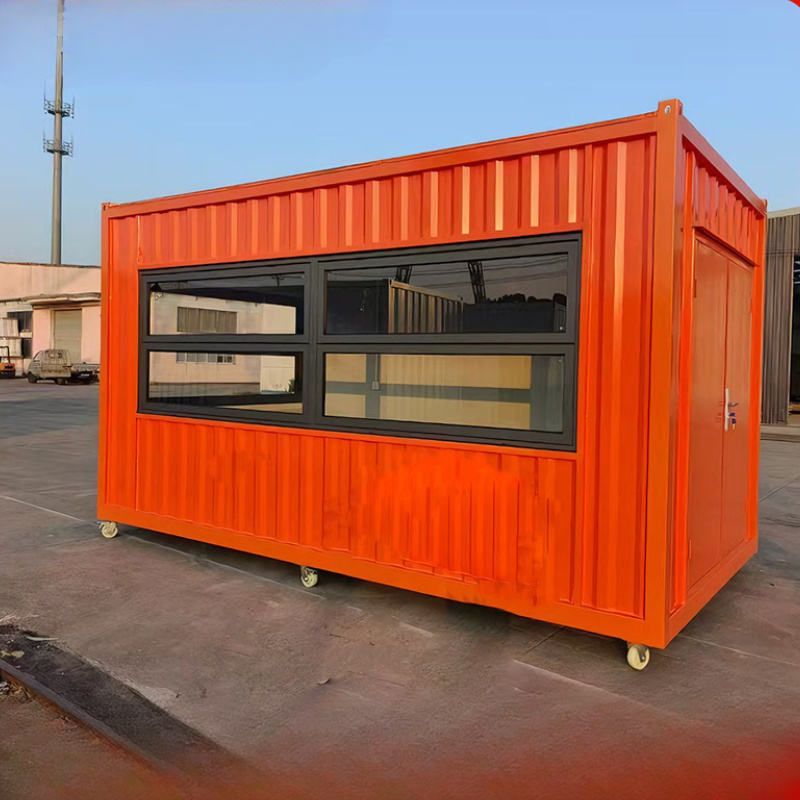
Problems with Early Prefabricated Partition Panels for Housing
- Poor Earthquake Resistance: Early prefabricated partition panels for housing had poor integrity, similar to houses built with building blocks where the parts were not connected as a whole. When subjected to horizontal forces such as earthquakes, the floor slabs and walls were prone to instant separation. Moreover, the collapse process was sudden without any crack warnings or deformation buffering stages. In earthquakes, houses made of these prefabricated panels suffered severe collapses, resulting in high casualty rates.
- Weak Connection Points: The connection between the prefabricated panels and the walls was merely a simple overlap, and the connection between the panels themselves was just simple filling of gaps. There was a lack of structural elements such as ring beams and constructional columns, so the entire house lacked a rigid framework. When the foundation settled or the walls cracked, the panels would become misaligned and loose. Over time, the connection points were prone to weathering, the steel bars would rust, and the strength would decrease, making it difficult to withstand the test of time and accidents.
- Material Issues: To reduce costs, early prefabricated panels often cut corners in terms of materials. Thinner specifications of steel bars were used, and in some cases, fine steel wires were used instead. The concrete grade did not meet the standards, and the thickness was insufficient, resulting in high brittleness and easy fracture of the prefabricated panels. Once their load-bearing capacity was exceeded, they would fracture instantly without any warning.
- Other Problems: Early prefabricated panels had much higher water leakage than cast-in-place slabs. When used in water-using areas such as kitchens and bathrooms, they were prone to leakage. In addition, the prefabricated panels had holes in the middle, resulting in poor sound insulation between upper and lower floors.
New Alternative Products
Currently, the early method of using prefabricated panels in housing construction has been phased out, and frame structures and reinforced concrete structures are used instead to improve safety and quality. However, there are still related products in the market, such as the slag concrete partition panels produced by Jiangsu Gangde Building Materials Co., Ltd., which are new types of green and environmentally friendly partition panels that can be used for housing partitions. The company mainly produces various new types of wall materials such as lightweight partition panels. Its products have characteristics such as sound insulation, heat preservation, high strength, and impact resistance. They can be used in residential buildings, offices, workshops, etc. The materials are cement/ceramsite, and they can also be customized.



