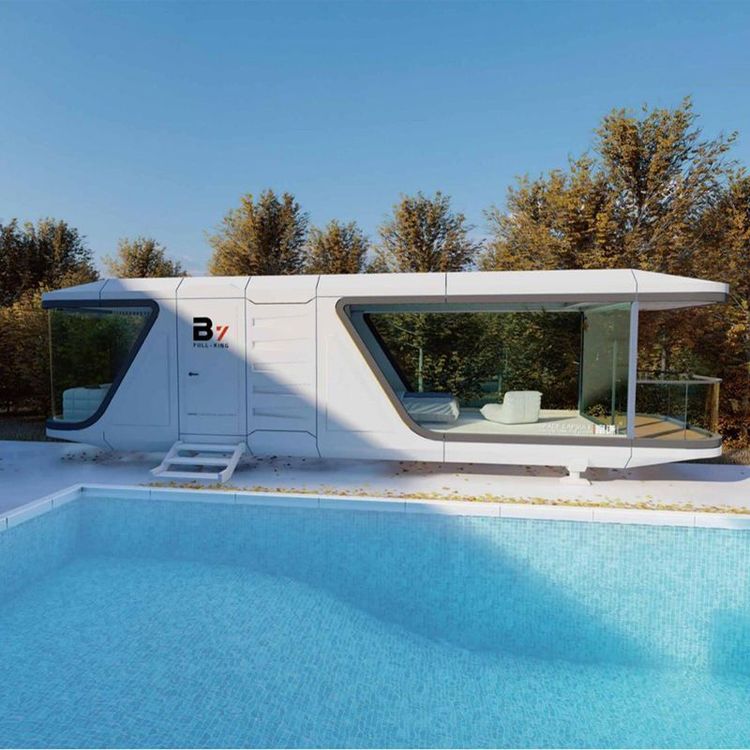
Prefabricated Panel Structure of House
The prefabricated panel structure is a form of housing constructed primarily with prefabricated panels. It originated in the early 20th century, and many residential buildings constructed in China before 1985 adopted this type of structure. However, existing prefabricated panel houses have numerous issues and are gradually being replaced.
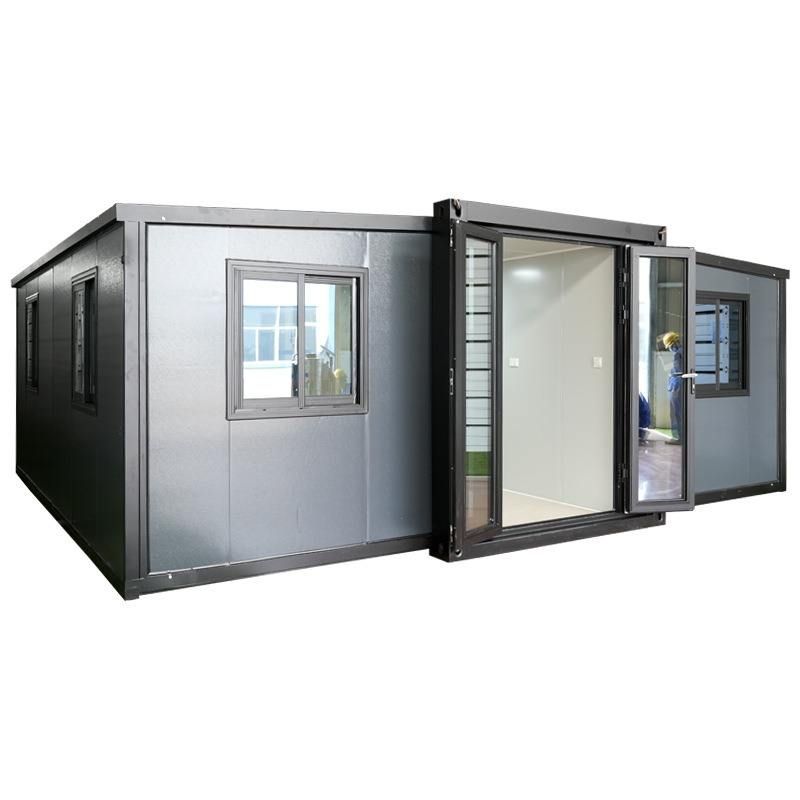
Characteristics of Prefabricated Panel Structures
Prefabricated panels are cement components manufactured in factories. During production, wooden molds are nailed together, steel bars are arranged, and cement is poured to form the panels, which come in solid and hollow types. The hollow structure achieves lightweighting by reducing the non-load-bearing concrete. The construction method involves assembling the prefabricated panels on-site. Unlike cast-in-place concrete buildings, which form a solid, integrated structure, prefabricated panel houses are assembled from individual panels, inherently lacking in robustness and toughness. To reduce weight, most prefabricated panels are designed with hollow cores, and the quantity and distribution of steel bars inside are not as scientifically reasonable as those in cast-in-place houses.
Issues with Existing Prefabricated Panel Houses
- Weak Earthquake Resistance: Even slight vibrations can loosen the joints between floor panels, making them unable to withstand seismic impacts. Most of the buildings that collapsed during the 2008 Wenchuan earthquake were of prefabricated panel structure.
- Limited Service Life: The service life is approximately 30-50 years. As time passes, problems arise one after another. Many older prefabricated panel houses have been identified as “dangerous buildings,” with high repair difficulty and cost.
- Wall Cracks and Water Leakage: Walls are prone to cracks, with ceiling seepage and roof leakage being common issues, especially on the top floor.
- Poor Thermal Insulation: These houses are cold in winter and hot in summer, with inadequate thermal insulation performance during extreme weather conditions.
- Poor Sound Insulation: This affects the living experience to a certain extent.
Development Trends
With advancements in construction technology, cast-in-place concrete and prefabricated buildings are gradually replacing traditional prefabricated panel houses. Prefabricated buildings use modular factory-prefabricated components. For example, CMC (Composite Modular Construction) buildings enhance earthquake resistance through integrated steel-concrete pouring, reducing construction time by 30% compared to traditional methods. Since 2022, China has implemented renovation policies for old residential buildings, focusing on repairing and upgrading prefabricated panel houses and only demolishing those that meet the criteria for dangerous buildings. Some regions have already initiated demolition work.