Prefabricated Panel Structure House Construction
The construction of prefabricated panel structure houses is characterized by high efficiency and speed, with short construction periods ranging from a few days to several months, depending on the size of the house and the construction method.

Manifestation of Construction Speed:
Some small prefabricated wooden houses can be built extremely quickly, with some taking only five days to complete. These houses typically use prefabricated panels to build the basic framework, with a simple and convenient roof structure formed by assembling circular trays and connecting them to the walls to create a conical roof, significantly shortening the construction time. For slightly larger prefabricated houses, the main structure can be erected within 14 days using a method of assembling prefabricated components. Five-ton foundation piles are fixed with base plates, and the beams are quickly connected using mortise-and-tenon joints. Stairs are hoisted and installed like building blocks, and after laying a 5-centimeter-thick floor slab, grout is poured into the gaps between all components, making the entire process efficient and orderly.
Advantages of Factory Production:
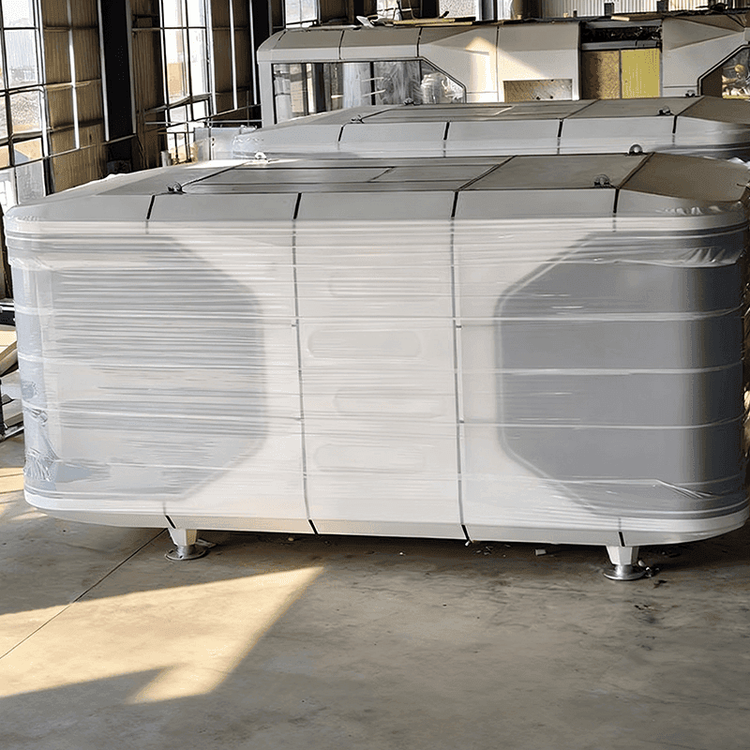
Chinese prefabricated house factories boast extremely high production efficiency, with the ability to build a house in just 15 to 25 days and deliver it to overseas customers within three months. This advantage stems from several factors: Low labor costs reduce overall construction expenses, enabling factories to produce on a large scale at more economical prices; a tight local supply chain ensures the timely supply of raw materials, minimizing delays caused by material shortages; and mass production improves efficiency through standardized processes and specialized division of labor, shortening the construction period for individual houses.
Characteristics of Construction Method:
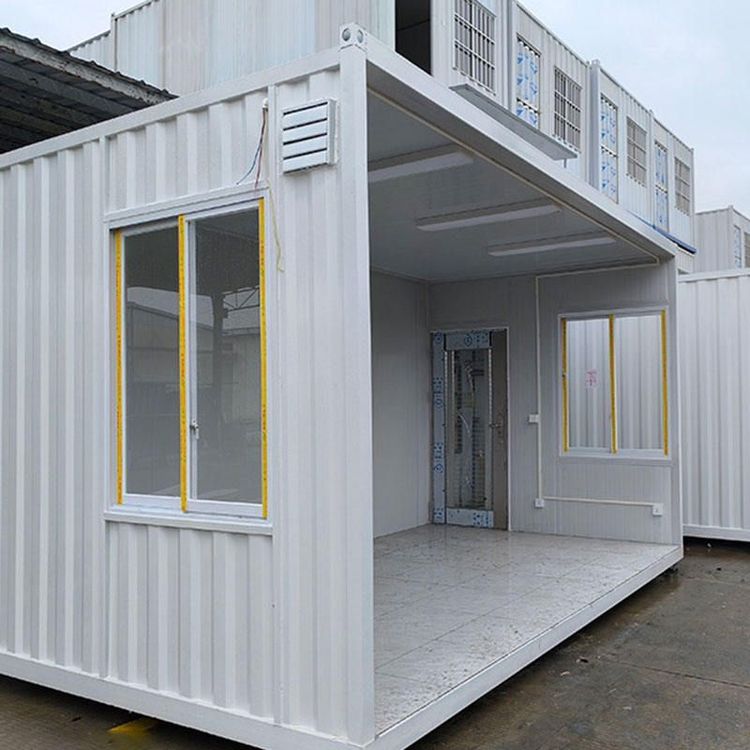
The construction method for prefabricated panel structure houses is similar to "building with blocks," where components pre-produced in the factory are transported to the site for assembly. This approach not only reduces the workload of on-site construction but also decreases reliance on external factors such as weather, making the construction process more controllable. At the same time, the precision and quality of prefabricated components are better guaranteed, contributing to improved overall performance and lifespan of the house.