
How Long Does a Prefabricated Panel House Last?
The design lifespan of a prefabricated panel house is typically around 30 to 40 years, but its actual service life can exceed this range due to various influencing factors.
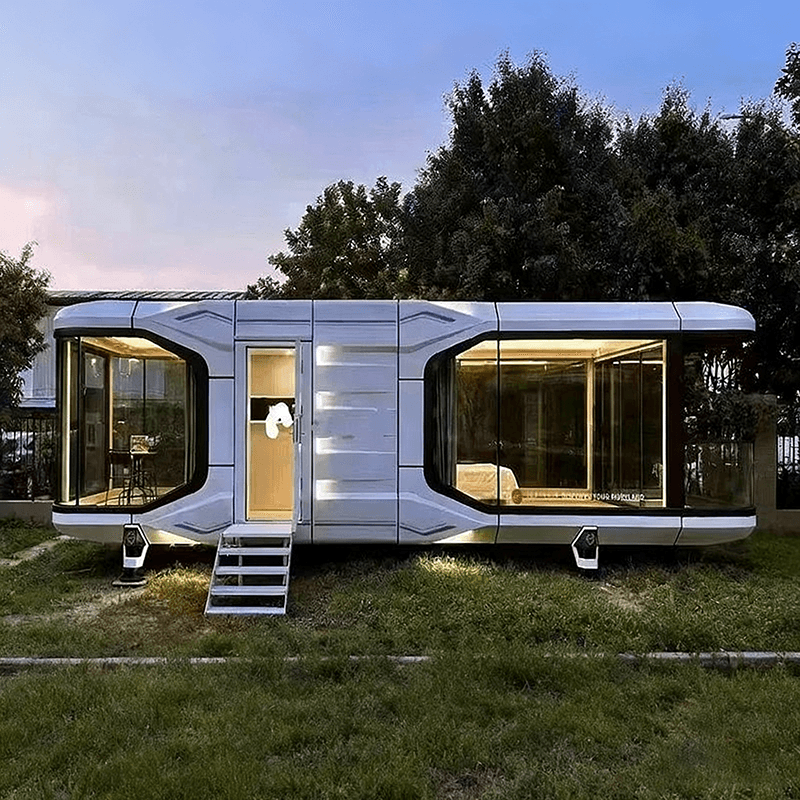
Design Lifespan and National Standards
The design lifespan of a prefabricated panel house is usually estimated at 30 to 40 years, based on early building material standards and typical usage conditions. However, it's important to note that the national standard for ordinary residential buildings sets a design service life of 50 years, explicitly requiring no major repairs within this period under normal construction and maintenance conditions. This means that if the construction quality and maintenance measures of a prefabricated panel house meet the standards, its actual service life can reach the 50-year requirement set by national standards.
Distinguishing Between Aging Period and Scrap Year
In early design stages, engineers referenced the building material standards of the time and proposed an 'aging reference period of 30 to 40 years under almost no maintenance.' This figure is not a mandatory scrap year but rather an estimate of the natural aging rate of materials. In actual use, the lifespan of a house is closely related to maintenance frequency and environmental conditions (such as humidity, temperature, and corrosive gases). For example, measures like regular roof waterproofing inspections, replacement of aging pipelines, and reinforcement of structural cracks can significantly extend the house's service life.
Key Measures to Extend Lifespan
- Regular Maintenance: Conduct structural safety inspections every 5 to 10 years, focusing on checking the joints of prefabricated panels, cracks in load-bearing walls, and foundation settlement.
- Environmental Control: Avoid long-term exposure to high-humidity or corrosive environments (such as chemical industrial areas), and apply anti-rust treatments to metal components when necessary.
- Compliant Renovation: If adding floors or altering the structure, entrust a professional institution to perform load calculations to avoid exceeding the design load.
Handling After Lifespan Expiration
Even if a prefabricated panel house reaches its design lifespan or national standard year, it does not necessarily have to be demolished. After inspection by a professional institution, if the structural safety still meets the requirements, it can continue to be used through repairs and reinforcements (such as adding support columns or replacing corroded steel bars). However, if serious safety hazards are detected during the inspection (such as fractures in prefabricated panels or tilting of load-bearing walls), use must be immediately stopped, and the house should be demolished and rebuilt.



