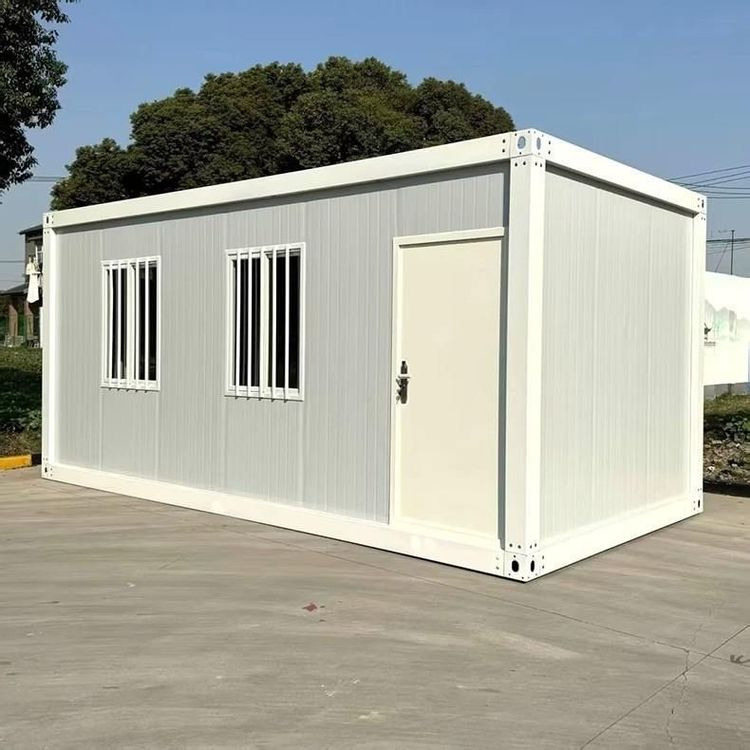
Lifespan of Prefabricated Panel Houses
The design lifespan of prefabricated panel houses is typically around 30 to 50 years. Here is a detailed analysis:

Benchmark Range for Design Lifespan
The design lifespan of prefabricated panel houses is influenced by materials, construction techniques, and regulatory standards. In early designs, 30 years was often used as a reference period, but this figure is not a mandatory retirement line. According to current regulations, the design service life of ordinary residential buildings is usually 50 years. If prefabricated panel houses are constructed to this standard, their theoretical lifespan can reach 50 years. This difference arises because early regulations had relatively lenient durability requirements, whereas modern standards place greater emphasis on long-term structural safety.
Possibility and Conditions for Extended Use
Exceeding the design lifespan does not necessarily mean that the house must be demolished immediately. If a professional institution confirms that the main structure is safe and the load-bearing capacity meets requirements, and necessary repairs and reinforcements (such as fixing cracks, replacing aging components, and enhancing seismic performance) are completed, the prefabricated panel house can still be used. For example, some prefabricated panel houses built over 30 years ago can still meet residential needs after reinforcement and renovation, but they require regular inspection and maintenance.
Safety Hazards Caused by Aging
Over time, prefabricated panel houses are prone to the following issues:
- Structural Damage: Wall cracks, roof leaks, and cracks at the joints of prefabricated panels may occur due to material aging or foundation settlement.
- Performance Degradation: Old structures gradually lose their seismic and wind resistance capabilities, especially in earthquake-prone areas, where safety hazards increase significantly.
- Equipment Aging: Aging of supporting facilities such as water and electricity pipelines and waterproof layers may lead to secondary problems like water leaks and short circuits.
Dynamic Nature of Actual Lifespan
The actual lifespan of a house depends on multiple factors:
- Maintenance Level: Regular inspections and timely repairs of minor issues can extend the service life.
- Usage Environment: Humid or corrosive environments accelerate material aging and shorten the lifespan.
- Renovation Measures: Enhancing structural safety through measures such as adding seismic components and replacing load-bearing parts can improve the lifespan.
Summary
The lifespan of prefabricated panel houses is not a fixed value; 30 to 50 years serves as a design reference range. Extended use requires safety assessments as a prerequisite. Through scientific maintenance and renovation, the service life can be extended, but close attention must be paid to structural safety to avoid risks caused by aging.