
Identification of Prefabricated Panel Houses
Identifying prefabricated panel houses can be approached from several aspects, including the construction era, floor slab gaps, sound, the connection between walls and floor slabs, and the appearance of the floor slabs.
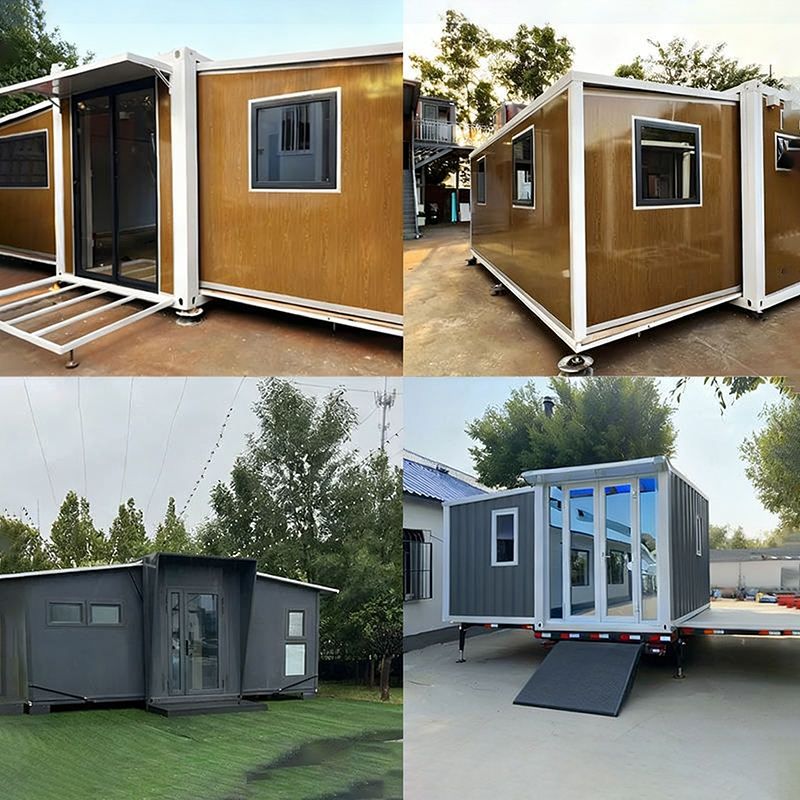
Observing the Construction Era: Houses built earlier, especially residential buildings from the 1980s and 1990s, often adopted prefabricated panel structures. Most residential buildings constructed in China before 1985 were prefabricated panel structures, and houses built before 1998 were also primarily constructed using prefabricated panels. This was because the production process for prefabricated panels was relatively mature at the time, and construction was fast and cost-effective, meeting the demands of large-scale housing construction. Therefore, if a house was built during this period, it is more likely to be a prefabricated panel house.
Examining Floor Slab Gaps: Prefabricated panel houses typically have noticeable and relatively consistent gaps between floor slabs, which are traces left from the assembly of the panels. In contrast, cast-in-place floor slabs are poured as a whole, resulting in a smoother surface with less noticeable gaps. By carefully observing the surface of the floor slabs, if regular gaps are found, it can generally be inferred that the house is a prefabricated panel house.
Judging by Sound: Gently tap the floor slab with a hard object. If the sound is relatively clear and has a long echo, it is likely a prefabricated panel. This is because prefabricated panels usually have cavities inside, and sound propagates within these cavities, creating an echo. Conversely, if the sound is relatively dull, it may be a cast-in-place slab, which is solid and has different sound propagation characteristics from prefabricated panels.
Checking the Connection Between Walls and Floor Slabs: The connection between prefabricated panels and walls is usually achieved through hooks or other means, and hook-like structures can be seen at the connection points. In contrast, cast-in-place floor slabs and walls are poured as a whole, resulting in a tight connection without noticeable structural traces. By inspecting the connection points between walls and floor slabs inside the house, if hook-like structures are found, it can be preliminarily determined that the house is a prefabricated panel house.
Observing the Appearance of Floor Slabs: Prefabricated panels usually appear as regular blocks with noticeable gaps between panels. In contrast, cast-in-place floor slabs have a smooth and flat surface without obvious gaps. Observing the overall appearance of the floor slabs can assist in determining whether the house has a prefabricated panel structure.



