
Are Prefabricated Panel Houses Hazardous?
Prefabricated panel houses pose significant hazards, primarily reflected in the following aspects:
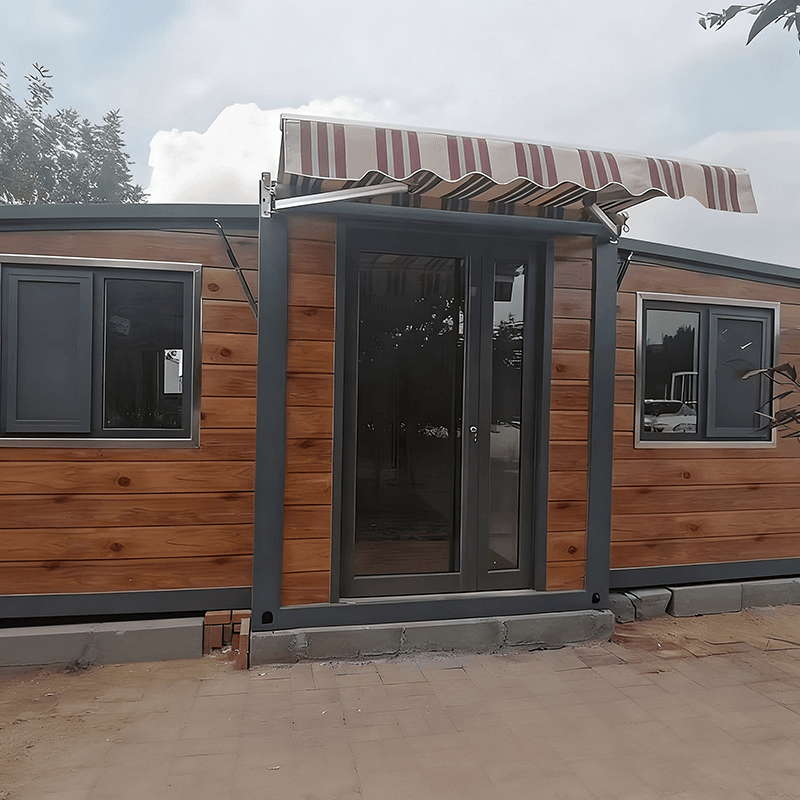
Extremely Weak Earthquake Resistance: Prefabricated panel houses have poor integrity, with weak connections between panels and walls, as well as between panels themselves, resembling a house built with building blocks. During an earthquake, the floor panels and walls are prone to instant separation, causing the house to collapse suddenly. There is a lack of crack warnings and deformation buffer time, leaving very few opportunities for escape. In historical earthquakes, severe collapses and high casualty rates of prefabricated panel houses have been prominent safety hazards.
Vulnerable and Easily Damaged Connection Points: Prefabricated panels are simply overlapped with walls, and the joint-filling process between panels is rough, lacking rigid frameworks such as ring beams and structural columns for support. When the foundation settles or walls crack, the panels are prone to misalignment and loosening. After long-term use, the connection points weather and the steel bars rust, significantly reducing strength. After living in old prefabricated panel houses for two to three decades, the floor panels may become precarious and could collapse in a chain reaction with slight external force.
Widespread Use of Substandard Materials: Regular prefabricated panels use relatively thin steel bars, while small workshops often substitute them with thin steel wires. The concrete grades are substandard, and the thickness is insufficient, resulting in high brittleness and easy fracture. Compared with cast-in-place floor panels, prefabricated panels lack toughness and may suddenly break without warning when overloaded. Daily stacking of heavy objects, renovation work that involves hitting the floor, or long-term aging can all trigger collapse risks.
Low Structural Strength and Short Lifespan: Prefabricated panel houses are assembled from multiple panels, lacking firmness and toughness. They often adopt a hollow design, with the number and distribution of steel bars less scientific than those in cast-in-place houses. Slight vibrations can cause the floor panel joints to loosen. After long-term use, cracks increase and widen, and even the entire building may collapse. Their lifespan is typically only 30-50 years, and many old houses have been identified as 'dangerous buildings', with high repair difficulty and cost.
Poor Living Experience: Problems such as numerous wall cracks, floor deformation, window leakage, and roof leakage are common. The thermal insulation performance is poor, being cold in winter and hot in summer. The sound insulation effect is not good, and the voices of neighbors can be clearly heard. The internal structure is fixed, making it difficult to carry out large-scale renovations and limiting the customization of living space. In addition, the cracks in cement components expand over time, significantly increasing the risk of water leakage.



