
Demolition Policy for Prefabricated Panel Houses
Prefabricated panel houses will not be uniformly demolished but will be handled on a case-by-case basis. According to current policies, urban renewal emphasizes 'categorized handling and prioritizing the vulnerable,' rather than conducting a comprehensive demolition of prefabricated panel houses. Instead, differentiated measures are taken after a comprehensive assessment from multiple dimensions, including safety appraisals, planning conditions, financial capabilities, and resident consultations. Specifically, they can be divided into the following four categories:
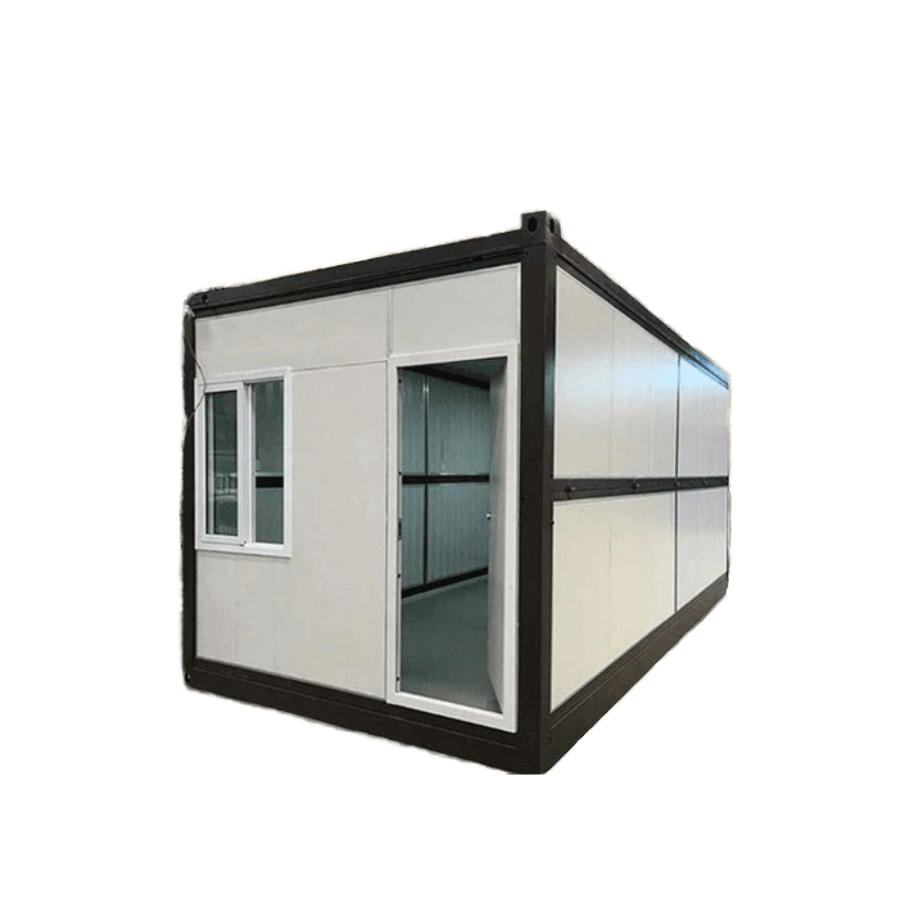
Category 1: Appraised as Dangerous Houses If a prefabricated panel house is appraised by a professional institution as a Grade D dangerous house (i.e., the overall structural bearing capacity is insufficient, posing serious safety hazards such as foundation subsidence or fractures in the main load-bearing structure), and renovation cannot resolve the fundamental issues, it will be included in the demolition scope. For example, some old prefabricated panel houses, due to long-term disrepair, exhibit through-wall cracks or a decrease in floor bearing capacity due to steel bar corrosion. Such houses require priority demolition and reconstruction. Additionally, Grade C dangerous houses (where local load-bearing structures do not meet safety requirements) are usually prioritized for reinforcement and renovation rather than direct demolition.
Category 2: Substandard Disaster Resistance In areas prone to natural disasters such as earthquakes and floods, if the seismic or flood control design of prefabricated panel houses does not meet current standards (e.g., failing to meet local seismic fortification intensity requirements), and renovation still cannot meet safety needs, they may be demolished. For example, some early-built prefabricated panel houses did not consider seismic structural measures and are prone to overall collapse during earthquakes. Such houses require demolition and reconstruction to enhance disaster resistance.
Category 3: Conflict with Urban Infrastructure Construction When prefabricated panel houses are located within the scope of urban planning for transportation, municipal, and other infrastructure (such as subway lines, viaducts, and road widening projects), and cannot be avoided by adjusting the planning, they need to be demolished in accordance with the law. Such situations fall under public interest needs and are usually accompanied by reasonable compensation and resettlement.
Category 4: Development Revenue Coverage in Urban Core Areas In urban core areas or key functional zones, if the development revenue from demolishing low-density, low-intensity buildings in the area where prefabricated panel houses are located and replacing them with high-floor-area-ratio, multi-functional complexes can cover the costs of demolition and reconstruction, and align with urban planning goals, they may be included in the demolition scope. However, such situations require strict assessment of economic feasibility and social impact.
Other Prefabricated Panel Houses: Prioritizing Renovation For prefabricated panel houses that do not meet the above conditions, policies clearly require improving living quality through renovation, including installing elevators, updating facades, renovating rainwater and sewage diversion pipelines, increasing parking spaces and green spaces, etc. For example, some prefabricated panel houses, although old, are structurally safe and only require renovation to address aging and functional shortcomings to continue being used.
Key Judgment Criteria Whether a house is demolished depends on a comprehensive assessment of the safety appraisal results (Grade C/D dangerous houses), planning conditions, financial capabilities, and resident consultation results, rather than solely based on the 'prefabricated panel' structure or age. For example, even if a house is over 30 years old, if it is structurally safe and has no planning conflicts, it may still be retained through renovation; conversely, a house with a shorter age but appraised as a Grade D dangerous house also requires demolition.
You may also like

Portable Toilet Eco-Friendly: MOQ, Samples & Quotation Guide
Read More
Top Portable Toilet Color Steel Manufacturers: How to Choose a Factory Partner
Read MorePortable Toilet Picture: Types, Features & Buying Tips
Read More