
Back to blog
Article
Is It Normal for Prefabricated Panel Houses to Have Cracks?
Admin September 19, 2026
Whether it is normal for prefabricated panel houses to have cracks needs to be judged based on specific circumstances and cannot be generalized.
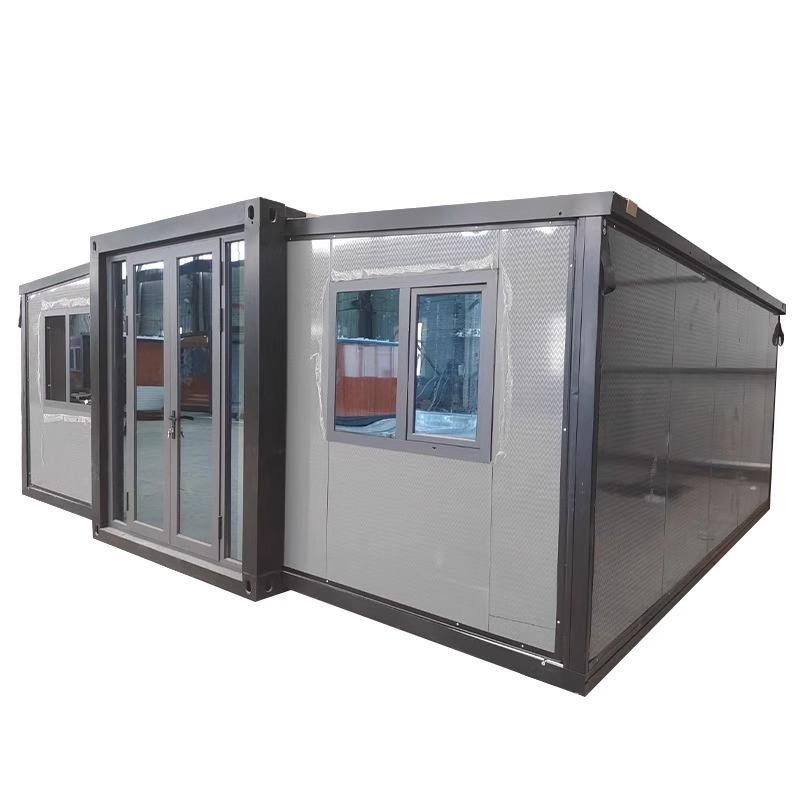
Characteristics of Normal Cracks
- Shrinkage cracks: During the solidification process of concrete, water evaporation and the hydration reaction of materials can lead to volume shrinkage, resulting in shrinkage cracks. These cracks are usually fine and uniform, with widths mostly ranging from 0.05 to 0.2 millimeters. They only appear on the surface plaster layer and do not cause damage to the floor slab structure. For example, in some newly built prefabricated panel houses, such fine cracks may be found on the wall or floor slab surfaces, and generally do not affect the normal use and safety of the house.
- Temperature cracks: Changes in ambient temperature can cause the house materials to expand and contract, leading to temperature cracks. These cracks are commonly found on the top floor of the house and are mostly distributed in a regular oblique or horizontal pattern. In winter, due to lower temperatures, the cracks may become more pronounced, but their widths are usually relatively narrow. For instance, in areas with large temperature differences between day and night, the walls or floor slabs of top-floor prefabricated panel houses may develop such cracks related to temperature changes.
- Minor settlement cracks: When the foundation of the house undergoes minor uneven settlement, the prefabricated panels may develop cracks due to uneven stress. These cracks are generally wider and may extend from the bottom of the panel to the top, showing a certain directionality related to the settlement direction. If the geological conditions of the area where the house is located are unstable or the foundation treatment during house construction is improper, such cracks may occur.
Abnormal Cracks to Be Alert To
- Cracks with a width exceeding 0.3 millimeters.
- Cracks that are oblique, spiderweb-shaped, or penetrate through the floor slab. These types of cracks may seriously affect the structural safety of the house.
- Cracks accompanied by phenomena such as wall plaster bulging, house tilting, steel bar rusting, or water leakage, indicating that the house may have relatively serious quality problems.
- Cracks that continue to widen or lengthen, suggesting that the structure of the house may be continuously deteriorating.
If the cracks conform to normal characteristics and show no signs of development, they can be observed first. If abnormal situations occur, it is necessary to promptly contact a professional organization for inspection and appraisal and carry out reinforcement treatment if necessary.



