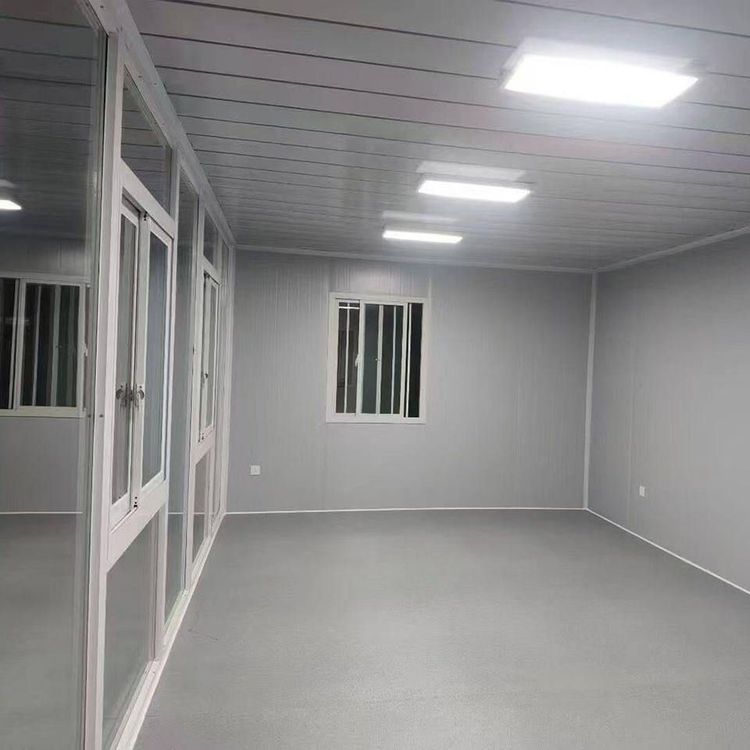
Prefabricated Panel House
A prefabricated panel house is a type of house constructed primarily using prefabricated panels. These panels are cement components prefabricated in factories, formed by nailing wooden models, laying out steel bars, and pouring cement. They come in two types: solid and hollow.

Construction Advantages
Prefabricated panel houses offer the advantages of short construction periods and low costs. The construction process is akin to assembling building blocks. Entire walls and floor slabs are transported from the factory, and workers simply拼接 (here, 'assemble' is a more natural English term) them directly, resulting in faster construction compared to traditional methods. In the 1970s and 1980s, many units allocated such houses to their employees, meeting the urgent demand for housing at that time.
Existing Defects
- Service Life: The designed service life of prefabricated panel houses is generally between 30 and 50 years, whereas the designed service life of modern commercial housing is 70 years. In comparison, prefabricated panel houses have a shorter service life.
- Safety Hazards: Poor earthquake resistance is a major issue with prefabricated panel houses. In the event of natural disasters such as earthquakes, their structural stability is relatively poor and they are prone to damage. Additionally, over time, they are prone to cracking, with walls developing cracks and aging pipelines posing fire hazards and other safety risks.
- Living Experience: Prefabricated panel houses have poor sound insulation, thermal insulation, and waterproofing performance, resulting in low living comfort. Moreover, some unit designs are unreasonable, affecting the convenience and comfort of living.
Development History and Policies
Prefabricated panel houses originated in the early 20th century and were primarily used for floor slabs and roof insulation layers. In China, most residential buildings constructed before 1985 adopted this structure. With the advancement of building technology, cast-in-place concrete and prefabricated buildings have gradually replaced traditional prefabricated panel houses. However, since 2022, China has implemented a policy of renovation and transformation for prefabricated panel houses, focusing on repairs and upgrades and only demolishing buildings that meet the criteria for dangerous houses. According to policy documents from the Ministry of Housing and Urban-Rural Development, the National Development and Reform Commission, and other departments, by 2025, three types of prefabricated panel houses will be prioritized for demolition: those with damaged main structures (identified as Grade D dangerous houses by professional institutions), those unable to withstand natural disasters (with earthquake resistance below 70% of current standards and poor flood resistance), and those affecting urban planning (located in municipal engineering planning areas or commercial development zones in urban cores).