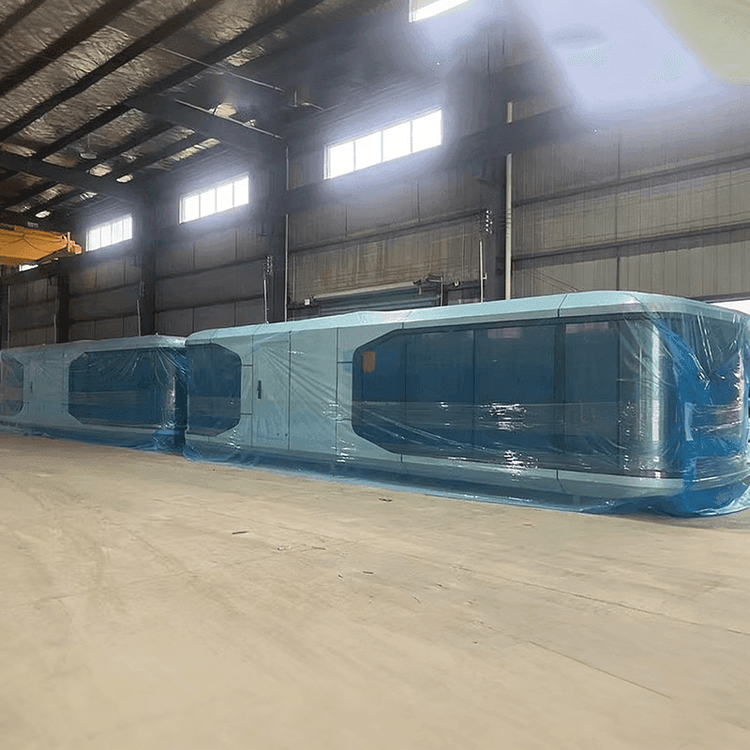
Is a Prefabricated Panel Assembled House Durable?
The durability of a prefabricated panel assembled house is influenced by multiple factors. On the whole, its earthquake resistance and structural safety are relatively weak, but it can still ensure a certain level of safety if constructed in accordance with standards, with qualified materials, and properly maintained.
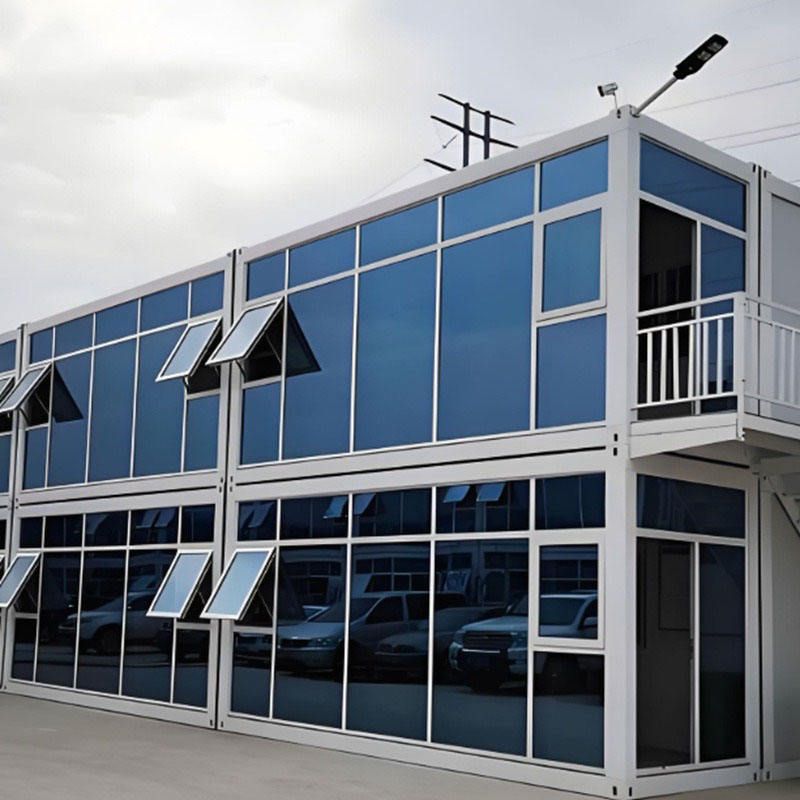
Earthquake Resistance
The earthquake resistance of prefabricated panel assembled houses is limited. Generally, they can withstand earthquakes of up to magnitude 7, while the earthquake resistance standard for buildings from the 1970s and 1980s only required resistance to magnitude 6 earthquakes. Their assembled structure has obvious defects. The panels and columns are barely connected by steel bars. When an earthquake occurs, different parts shake inconsistently, resulting in poor integrity. In the event of an earthquake, the damage can be significant, and the house may even collapse in an instant. Compared with modern houses, there is a clear gap in earthquake resistance.
Structural Safety
Many old prefabricated panel houses have problems such as wall misalignment, which seriously affect structural safety. Moreover, during the renovation of old residential areas, prefabricated panel houses can cause a lot of trouble for the renovation. Due to their structural characteristics, the walls must be square and level to ensure balanced connection positions. Otherwise, the structural safety of the house will be further reduced.
Waterproofing
Prefabricated panels have holes inside, resulting in poor waterproofing performance. They are not suitable for use in damp areas such as kitchens and bathrooms. If used in these areas, leakage problems are likely to occur, which will not only affect the normal use of the house but may also cause damage to the house structure.
Conditions for Ensuring Safety
However, if the construction is carried out strictly in accordance with formal standards, and qualified prefabricated panels are selected, that is, purchased from regular manufacturers, ensuring that the specifications and quantity of internal steel bars meet national standards and that there are no holes or cracks on the surface; during construction, gaps are left between two prefabricated panels and cement slurry is poured to enhance adhesion; during use, the load-bearing walls are not randomly damaged, and leakage problems are dealt with in a timely manner, then a prefabricated panel assembled house can also ensure a certain level of safety.