
Back to blog
Article
Prefabricated Outdoor Portable Toilet
Admin October 09, 2026
A prefabricated outdoor portable toilet is a facility that can be moved as a whole and flexibly deployed in fixed or temporary locations to provide public restroom services, featuring core advantages such as mobility, modularity, and ease of transportation. Its design, structure, and functional characteristics can be elaborated on from the following aspects:
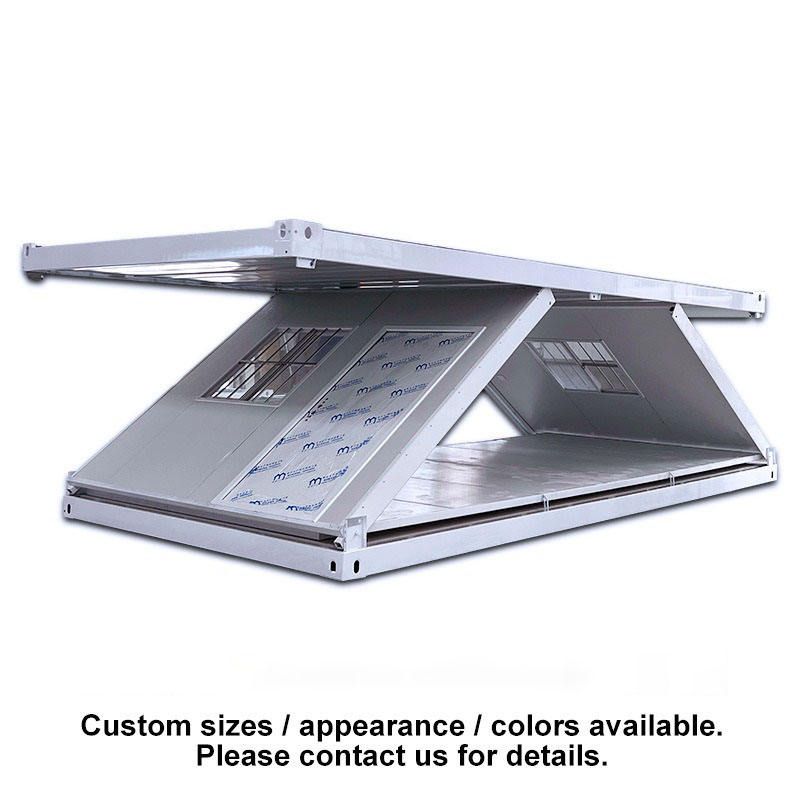
1. Structural Composition and Functional Modules
A prefabricated outdoor portable toilet is composed of multiple standardized modules, with core components including:
- Fecal Treatment System: Depending on the sewage treatment method, it can be classified into flush-type (requires connection to a water source and discharges through pipes into a storage tank or municipal sewer network), waterless flush suction-type (relies on a vacuum pump to suction feces into a storage tank for regular removal), recirculating flush-type (achieves sewage purification and recycling through biological degradation or physical filtration), and dry-packing type (uses biodegradable bags to collect feces without the need for a water source).
- Main Structure: Includes walls (commonly using metal carved panels, anti-corrosion wood, etc., balancing durability and aesthetics), roof (such as double-roof design or ridge-shaped roofing paired with thatch to enhance rain protection and ventilation), flooring (slip-resistant and easy-to-clean materials), and mobility devices (lifting hooks, towing chassis, or powered drive systems).
- Sanitary Facilities: Equipped with toilets or squat pans, washbasins, cosmetic mirrors, water tanks (for storing clean or recycled water), and partitions (to ensure privacy). Some high-end models also feature rain-proof vestibules and public area lighting.
2. Classification Methods and Application Scenarios
- By Structural Form:
- Single-unit Structure: An independent unit suitable for scenarios with limited space or temporary needs (such as exhibitions, construction sites).
- Composite Structure: Composed of multiple modules, it can be expanded into large facilities with multiple toilet stalls and gender-separated areas to meet the needs of high-traffic areas (such as scenic spots, music festivals).
- By Mobility Method:
- Lifting/Handling Type: Relies on lifting equipment or manual handling, suitable for short-term, low-frequency mobility scenarios.
- Powered/Towing Type: Equipped with an engine or can be connected to a vehicle, supporting long-distance, high-frequency transportation (such as emergency rescue, cross-regional events).
- By Sewage Treatment Method:
- Flush and Waterless Flush Suction Types: Require regular cleaning of storage tanks and are suitable for areas with a water source or removal conditions.
- Recirculating Flush Type: Reduces water consumption through technical treatment, suitable for water-scarce areas or scenarios with high environmental protection requirements.
- Dry-Packing Type: Does not require a water source or sewage pipes, is easy to operate, and is commonly used in environments without infrastructure, such as field operations and disaster relief.
3. Core Advantages and Limitations
Advantages:
- Flexibility: Can be quickly deployed to remote areas, temporary event sites, or emergency scenarios, addressing the issues of long construction periods and high costs associated with traditional toilets.
- Reusability: Modular design supports disassembly and reassembly, reducing long-term usage costs.
- Environmental Friendliness: The dry-packing and recirculating flush types reduce sewage discharge, aligning with green building concepts.
Limitations:
- Capacity Limitations: Single-unit structures have fewer toilet stalls and may be in short supply during peak periods.
- Maintenance Requirements: Regular cleaning of storage tanks and inspection of equipment operation status are necessary, relying on professional operation and maintenance teams.
- Environmental Adaptability: Extreme weather conditions (such as strong winds, heavy snow) may affect structural stability, requiring targeted reinforcement designs.
Related



